
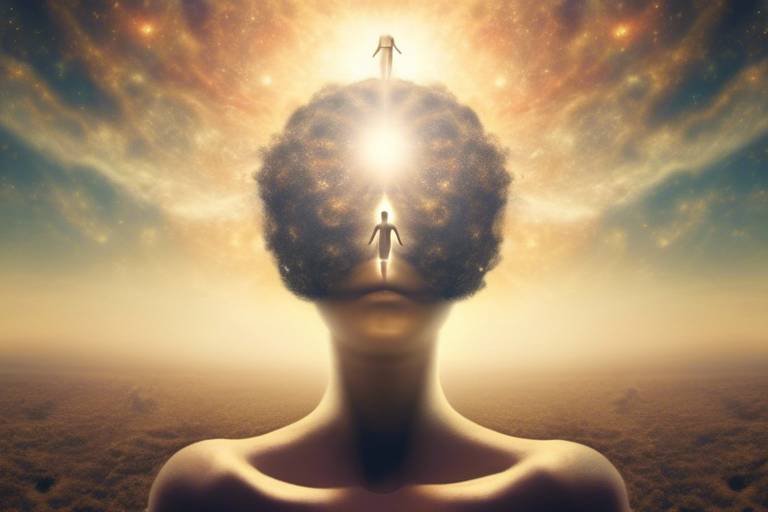
In the hustle and bustle of modern life, many of us find ourselves yearning for something deeper, something that resonates with our true essence. This journey of awakening to your higher self is not merely a spiritual endeavor; it is an ontological exploration of who we are at our core. But what does it mean to awaken to your higher self? How does this concept influence the way we live, perceive, and interact with the world around us? In this article, we will embark on a profound journey, peeling back the layers of existence to reveal the higher self and its significance in our daily lives.
To begin with, understanding the higher self involves delving into its definition and significance. The higher self can be seen as that inner voice or guiding light that directs us toward our true purpose. It is the part of us that transcends the mundane and connects us to the universal consciousness. Imagine it as a lighthouse in a stormy sea, guiding us back to shore when we feel lost. This higher self influences our thoughts, decisions, and ultimately our path in life. By recognizing its presence, we can align our actions with our true values and aspirations, leading to a more fulfilling existence.
From an ontological perspective, the concept of the higher self invites us to question the very nature of our being. What does it mean to exist? Are we merely products of our environment, or do we possess an intrinsic essence that defines us? These questions open the door to various philosophical theories that explore the nature of existence and consciousness. By examining these theories, we can gain deeper insights into how the higher self operates within the framework of our lives.
As we explore the philosophical underpinnings of the higher self, we uncover a rich tapestry of ideas that have emerged over centuries. Existentialism, for example, posits that individuals are responsible for creating their own meaning in a seemingly indifferent universe. This perspective encourages us to look inward and confront our existence, ultimately leading us to discover our higher selves. Think of it as a journey through a dense forest; the path may be obscured, but with determination and self-reflection, we can find our way to the clearing where our true selves await.
Understanding the higher self involves exploring its definition, significance, and how it influences our daily lives. This section delves into the philosophical underpinnings of this profound concept. The higher self is often described as the most authentic version of ourselves, free from societal conditioning and external expectations. It embodies our core values, passions, and purpose. When we are in tune with our higher self, we experience a sense of clarity and direction, allowing us to navigate life’s challenges with grace and resilience.
This section discusses the ontological theories that support the idea of the higher self, including key philosophical perspectives and their relevance to self-discovery and personal growth. Ontology, the study of being, provides a framework for understanding how the higher self fits into our existence. It challenges us to examine our beliefs about reality and encourages us to explore the deeper aspects of our consciousness. By engaging with these theories, we can uncover the layers of our identity and move closer to realizing our higher selves.
Examining existentialist thought, this subsection highlights how the higher self relates to individual purpose, authenticity, and the quest for meaning in life. Existentialism emphasizes the importance of personal choice and responsibility, urging us to confront the absurdity of existence. In this light, the higher self becomes a compass that guides us toward authenticity, encouraging us to live in alignment with our true nature.
This part focuses on influential existentialist philosophers and their contributions to understanding the higher self, shedding light on their unique perspectives. Thinkers like Jean-Paul Sartre and Simone de Beauvoir challenged traditional notions of identity and existence, paving the way for a more nuanced understanding of the self. Their ideas encourage us to break free from societal constraints and embrace our individuality, ultimately leading us to our higher selves.
Here, we explore how existentialist principles can be applied in everyday life to facilitate a deeper connection with the higher self. By embracing the idea of personal responsibility and authenticity, we can make choices that resonate with our true values. This might involve pursuing passions that ignite our spirit or cultivating relationships that nourish our souls. The key is to remain aware of our choices and their alignment with our higher self.
This subsection investigates how phenomenological approaches contribute to self-awareness, emphasizing the lived experience and its importance in recognizing the higher self. Phenomenology invites us to examine our experiences and perceptions, allowing us to gain insight into our inner worlds. By practicing mindfulness and self-reflection, we can cultivate a deeper awareness of our thoughts and emotions, ultimately leading us closer to our higher selves.
In this section, we outline various methods and practices that can assist individuals in awakening to their higher selves, including meditation, mindfulness, and self-reflection. Each of these practices serves as a tool for self-discovery, helping us to peel back the layers of our identity and connect with our true essence.
Discussing different meditation practices, this subsection highlights how they can facilitate a connection with the higher self and promote inner peace. Meditation allows us to quiet the mind and tune into our inner voice, creating space for self-discovery. Whether through guided meditation, mindfulness, or transcendental techniques, the act of meditating can help us align with our higher selves.
This part delves into mindfulness as a tool for self-discovery, illustrating how being present can lead to greater awareness of one’s higher self. By practicing mindfulness in our daily lives, we can cultivate an awareness of our thoughts and emotions, fostering a deeper connection with ourselves. This practice encourages us to live in the moment, allowing us to experience life more fully and authentically.
- What is the higher self? The higher self is the most authentic version of ourselves, representing our core values, passions, and purpose.
- How can I awaken to my higher self? You can awaken to your higher self through practices like meditation, mindfulness, and self-reflection.
- What role does existentialism play in understanding the higher self? Existentialism emphasizes personal choice and authenticity, guiding us toward a deeper understanding of our higher selves.
- Why is self-awareness important? Self-awareness allows us to recognize our thoughts and emotions, helping us align with our higher selves and live more authentically.
The Concept of the Higher Self
Understanding the higher self is like peeling back the layers of an onion; each layer reveals deeper truths about who we are and why we exist. The higher self is often described as the most authentic version of ourselves, the part that transcends our everyday thoughts and emotions, and connects us to a greater purpose. But what does this really mean? In essence, the higher self represents our potential, our innate wisdom, and the ultimate expression of our individuality. It is that inner voice guiding us towards our true path, nudging us to make choices that align with our core values and aspirations.
Many people go through life feeling disconnected from their higher selves, often caught in the whirlwind of daily responsibilities and societal expectations. This disconnection can lead to feelings of emptiness, confusion, and even anxiety. However, recognizing the significance of the higher self can be transformative. It encourages us to look beyond the surface of our existence and delve into the depths of our being. By embracing the higher self, we can foster a deeper understanding of our purpose and cultivate a more fulfilling life.
Philosophically, the higher self is intertwined with concepts of self-realization and enlightenment. It calls for introspection and a willingness to confront our fears and limitations. As we embark on this journey, we might ask ourselves: What do I truly desire? What makes me feel alive? These questions are crucial in the quest for self-discovery. The answers lie within, waiting to be uncovered through exploration and reflection.
To further illustrate the importance of the higher self, consider the following aspects:
- Significance in Daily Life: The higher self influences our decisions, relationships, and overall well-being. When we align our actions with our higher self, we experience a sense of harmony and purpose.
- Connection to Others: Embracing our higher selves allows us to connect more deeply with others. It fosters empathy and understanding, creating a ripple effect that enhances our relationships.
- Guidance in Challenges: In times of difficulty, the higher self serves as a beacon of light, offering insights and perspectives that help us navigate through life’s challenges.
In conclusion, awakening to the higher self is not merely a philosophical exercise; it is a profound journey towards self-discovery and personal growth. By acknowledging its presence and significance, we open ourselves to a world of possibilities, allowing us to live more authentically and purposefully. The path may not always be easy, but it is undeniably rewarding, leading us to a deeper understanding of ourselves and our place in the universe.
Ontological Foundations
When we dive into the of the higher self, we are essentially peeling back the layers of existence itself. Ontology, the philosophical study of being, provides a rich framework for understanding not just what the higher self is, but also why it matters in our lives. At its core, the concept of the higher self is intertwined with our understanding of existence, identity, and consciousness. It invites us to ask profound questions: What does it mean to truly exist? How do we define our essence beyond the physical body? These questions are not just academic; they resonate deeply with our everyday experiences and the choices we make.
The significance of the higher self in an ontological context lies in its ability to connect us with a sense of purpose and authenticity. It challenges us to look beyond our immediate circumstances and societal expectations, urging us to explore our true nature. This exploration can lead to a more fulfilling life, as we align our actions with our innermost values and beliefs. To illustrate this, consider the analogy of a tree. Just as a tree grows and expands its branches towards the light, our higher self beckons us to reach for greater understanding and deeper connections with the world around us.
In the realm of ontology, several key philosophical perspectives provide insight into the nature of the higher self. For instance, the ideas of Plato and his theory of forms suggest that our higher self exists in a realm of perfect ideals, guiding us towards a more profound understanding of reality. Similarly, Heidegger emphasizes the concept of ‘Being’ as a dynamic process, inviting us to engage with our existence actively. Both perspectives encourage us to reflect on our existence and the essence of our higher self.
Moreover, the ontological inquiry into the higher self often leads us to consider the interconnectedness of all beings. This interconnectedness can be likened to a vast web, where each thread represents an individual life, yet all are woven together in the fabric of existence. This perspective not only enriches our understanding of ourselves but also fosters empathy and compassion towards others, as we recognize that our journeys are intrinsically linked.
To further understand the ontological foundations of the higher self, we can explore how these theories translate into practical applications. Here are some pivotal ontological concepts that can aid in our journey of self-discovery:
- Being-in-the-world: This concept suggests that our existence is not isolated; rather, it is shaped by our relationships and interactions with the world around us.
- Authenticity: Emphasizing the importance of living in accordance with our true selves, authenticity encourages us to break free from societal constraints.
- Existential Choice: This idea posits that we have the freedom to choose our path, which is essential for realizing our higher self.
By engaging with these concepts, we can cultivate a deeper awareness of our higher selves and the choices that shape our existence. The journey towards awakening is not merely an intellectual exercise; it is a holistic experience that encompasses our thoughts, emotions, and actions. As we navigate this path, we may find that our understanding of the higher self evolves, leading us to new insights and a more profound connection with our essence.
Existentialism and the Higher Self
Existentialism, a philosophical movement that emphasizes individual existence, freedom, and choice, offers profound insights into the concept of the higher self. At its core, existentialism encourages us to confront the essence of our being and the choices we make in life. It invites us to ask ourselves: What does it mean to truly exist? How do our choices shape our identity? These questions are central to understanding the relationship between our daily lives and our higher selves.
When we think about the higher self, we often envision a version of ourselves that transcends our ordinary experiences—one that embodies our true potential and purpose. Existentialism posits that this higher self is not a predetermined entity waiting to be discovered, but rather something we actively create through our choices and actions. This perspective aligns with the idea that authenticity is crucial to self-realization. To connect with our higher self, we must embrace our **freedom** and take responsibility for our lives.
One of the key tenets of existentialism is the notion of authenticity. This concept refers to living in accordance with one’s true self, rather than conforming to societal expectations or external pressures. When we strive for authenticity, we tap into our higher self, allowing our true desires, values, and beliefs to guide our decisions. This journey towards authenticity is often fraught with challenges, as it requires us to confront our fears and insecurities. However, it is precisely through these struggles that we can achieve a deeper connection with our higher self.
Moreover, existentialist thought emphasizes the significance of meaning in our lives. Each individual is tasked with the responsibility of creating their own meaning in an indifferent universe. This is where the higher self comes into play; it serves as a compass, guiding us toward what truly matters to us. By reflecting on our values and passions, we can align our actions with our higher self, leading to a more fulfilling existence. As we navigate the complexities of life, the higher self can provide clarity and direction, helping us to make choices that resonate with our true essence.
To illustrate this relationship between existentialism and the higher self, consider the following table that outlines the key aspects of their connection:
| Existentialism | Higher Self |
|---|---|
| Focuses on individual freedom and choice | Embodies our true potential and purpose |
| Encourages authenticity and self-discovery | Guides us toward our true desires and values |
| Emphasizes the creation of personal meaning | Acts as a compass for fulfilling existence |
In conclusion, existentialism provides a rich framework for understanding the higher self. By embracing our freedom, pursuing authenticity, and creating our own meaning, we can awaken to the deeper aspects of our being. The journey toward self-discovery is not always easy, but it is essential for realizing our higher self. So, the next time you find yourself at a crossroads, remember that your choices shape your identity and that your higher self is always there, waiting to be unveiled.
- What is the higher self? The higher self is often seen as the truest version of ourselves, embodying our potential and purpose.
- How does existentialism relate to the higher self? Existentialism emphasizes individual freedom and authenticity, which are crucial for connecting with our higher self.
- Can I discover my higher self through meditation? Yes, meditation can facilitate a deeper connection with your higher self by promoting self-awareness and inner peace.
Key Thinkers in Existentialism
Existentialism, a philosophical movement that emphasizes individual existence, freedom, and choice, has been shaped by several key thinkers whose ideas have profoundly influenced our understanding of the higher self. These philosophers have explored the depths of human experience and the quest for meaning in a seemingly indifferent universe. Among them, Søren Kierkegaard, Friedrich Nietzsche, Jean-Paul Sartre, and Simone de Beauvoir stand out as pivotal figures in existential thought.
Søren Kierkegaard, often regarded as the father of existentialism, introduced the concept of the “leap of faith.” He believed that true self-realization comes from embracing one’s individuality and making passionate choices, even in the face of uncertainty. Kierkegaard argued that the higher self is not a predetermined essence but rather something that each person must actively create through their choices and commitments.
Friedrich Nietzsche further expanded on this notion by challenging traditional moral values and asserting the idea of the “Übermensch” or “Overman.” He encouraged individuals to transcend societal norms and discover their unique path. Nietzsche’s assertion that “God is dead” reflects a call to embrace personal responsibility and the freedom to define one’s own existence. In this context, awakening to the higher self involves rejecting external dictates and forging a personal identity based on authenticity.
Moving forward in time, Jean-Paul Sartre introduced the idea that “existence precedes essence.” He emphasized that individuals are condemned to be free, meaning that we are responsible for our choices and the meanings we create in our lives. Sartre’s existentialism posits that through introspection and self-awareness, we can connect with our higher selves, as it is in our freedom to choose that we find our true essence.
Finally, Simone de Beauvoir brought a critical feminist perspective to existentialism, emphasizing the importance of freedom and choice in the context of gender. In her groundbreaking work, “The Second Sex,” she argued that women must assert their existence and fight against societal constraints to realize their higher selves. De Beauvoir’s insights remind us that awakening to the higher self is not just a personal journey but also a collective struggle against oppression.
In summary, the contributions of these thinkers provide a rich tapestry of ideas that illuminate the path to self-discovery and authenticity. Their philosophies encourage us to confront our choices, embrace our freedom, and continually seek deeper understanding of ourselves and our place in the universe.
- What is the higher self? The higher self refers to the part of an individual that transcends the ego and connects to a deeper sense of purpose and authenticity.
- How can I awaken to my higher self? Awakening to your higher self can involve practices like meditation, mindfulness, and self-reflection to enhance self-awareness.
- Why is existentialism important for understanding the higher self? Existentialism emphasizes personal freedom, choice, and the quest for meaning, which are essential in the journey towards self-realization.
Practical Applications of Existentialism
When we dive into the realm of existentialism, we discover that it’s not just a philosophical concept confined to dusty books and academic debates. Instead, it’s a vibrant, living framework that can significantly enhance our daily lives. Imagine waking up each morning with a renewed sense of purpose, feeling invigorated by the choices you make rather than overwhelmed by them. This is the essence of applying existentialist principles practically.
One of the primary applications of existentialism is the concept of authenticity. Living authentically means embracing who you truly are, rather than conforming to societal pressures or expectations. It’s about making choices that resonate with your inner self. For instance, consider a job that pays well but drains your spirit. An existentialist approach would encourage you to reflect deeply on what truly fulfills you. Are you chasing a paycheck, or are you pursuing a passion? By prioritizing authenticity, you can align your actions with your core values, leading to a more fulfilling life.
Another practical application is the idea of freedom and responsibility. Existentialism posits that we are free to make choices, but with that freedom comes the weight of responsibility. This can be both liberating and daunting. For example, if you find yourself in a relationship that no longer serves you, the existentialist perspective would urge you to confront that reality. Instead of remaining stagnant out of fear or comfort, you would be encouraged to take responsibility for your happiness and make the necessary changes. This might mean having difficult conversations or even making the tough decision to part ways. While it can be uncomfortable, embracing this freedom is crucial for personal growth.
Moreover, existentialism teaches us the importance of finding meaning in our experiences. Life can often feel chaotic and random, but by actively seeking meaning, we can transform mundane moments into profound insights. This could involve reflecting on daily experiences through journaling or engaging in deep conversations with friends. By asking questions like, “What did I learn today?” or “How did this experience shape my understanding of myself?” we cultivate a richer, more meaningful existence.
Incorporating existentialist thought into your life might also involve embracing uncertainty. The world is unpredictable, and trying to control every aspect of our lives can lead to anxiety. Existentialism encourages us to accept uncertainty and to view it as an opportunity for growth. Instead of fearing the unknown, we can learn to navigate it with curiosity and resilience. This shift in perspective can drastically alter how we approach challenges, allowing us to see them as chances for self-discovery rather than insurmountable obstacles.
To summarize, applying existentialism practically involves:
- Embracing authenticity in our choices
- Recognizing our freedom and the responsibilities that come with it
- Finding meaning in everyday experiences
- Accepting uncertainty as a part of life
In essence, existentialism isn’t just a philosophical stance; it’s a roadmap for living a more intentional and fulfilling life. By integrating these principles into our daily routines, we can awaken to our higher selves, fostering a deeper connection with our true purpose and existence.
1. What is the main idea behind existentialism?
Existentialism emphasizes individual freedom, choice, and the search for meaning in a seemingly indifferent universe. It encourages people to take responsibility for their actions and to live authentically.
2. How can I apply existentialist principles in my life?
You can start by reflecting on your values and making choices that align with your true self, embracing uncertainty, and seeking meaning in your daily experiences.
3. Is existentialism a pessimistic philosophy?
While existentialism acknowledges the challenges and absurdities of life, it ultimately promotes personal empowerment and the idea that individuals can create their own meaning and purpose.
4. Can existentialism help with mental health?
Yes, by encouraging self-reflection, authenticity, and acceptance of life’s uncertainties, existentialism can provide valuable tools for coping with anxiety and depression.
Phenomenology and Self-Awareness
Phenomenology, at its core, is the study of structures of consciousness as experienced from the first-person point of view. It’s like peeling back the layers of an onion to reveal the essence of our experiences and perceptions. When we talk about self-awareness, we are diving deep into how we understand ourselves through our lived experiences. Imagine standing in front of a mirror; what do you see? Is it just your physical appearance, or is it a reflection of your thoughts, feelings, and beliefs? This is where phenomenology steps in, allowing us to explore the intricate dance between our consciousness and the world around us.
To grasp the significance of phenomenology in achieving self-awareness, we must consider how our perceptions shape our understanding of existence. Every moment we live is colored by our experiences, emotions, and thoughts, creating a unique tapestry of self. For instance, when we encounter a challenging situation, our immediate emotional response—be it fear, excitement, or anxiety—shapes how we perceive that moment. Through phenomenological reflection, we can dissect these experiences, gaining insights that lead to a deeper understanding of our higher selves.
One of the key aspects of phenomenology is its emphasis on the lived experience. This means that instead of viewing experiences as mere occurrences, we see them as meaningful events that contribute to our identity. Our memories, sensations, and interpretations form a narrative that tells us who we are. By engaging in phenomenological practices, such as journaling or reflective meditation, we can cultivate a heightened sense of self-awareness. Here are some practical steps to enhance this journey:
- Mindful Observation: Take time each day to observe your thoughts and feelings without judgment. This practice can help you identify patterns and triggers in your emotional responses.
- Reflective Journaling: Write about your daily experiences and how they make you feel. This can deepen your understanding of your reactions and promote self-discovery.
- Engage in Dialogue: Discuss your experiences with trusted friends or mentors. Sometimes, sharing our thoughts can illuminate aspects of ourselves that we might overlook.
Moreover, phenomenology encourages us to embrace our emotions fully. Instead of suppressing feelings like sadness or anger, we learn to acknowledge them as part of our human experience. This acceptance leads to a more authentic connection with our higher self, allowing us to navigate life’s complexities with grace and understanding. It’s a bit like walking through a dense forest; instead of avoiding the shadows, we learn to appreciate the beauty of the light and dark coexisting.
In conclusion, phenomenology offers a rich framework for enhancing self-awareness. By examining our lived experiences and embracing our emotional landscapes, we can awaken to a deeper understanding of our higher selves. This journey is not just about self-discovery; it’s about transforming our relationship with ourselves and the world, leading to a more fulfilling and meaningful existence.
- What is phenomenology? Phenomenology is a philosophical approach that studies structures of consciousness from a first-person perspective, focusing on the lived experience.
- How can phenomenology enhance self-awareness? By reflecting on our experiences and emotions, phenomenology helps us understand our identity and the meaning behind our actions.
- What practices can I adopt to apply phenomenology? Techniques such as mindful observation, reflective journaling, and engaging in dialogue can facilitate a deeper connection with your higher self.
Methods for Awakening
Awakening to your higher self is not just a mystical experience; it’s a journey that involves practical steps and methods. Think of it as navigating a labyrinth where each turn reveals a deeper understanding of who you are. The methods for awakening can vary greatly from person to person, but some common practices have stood the test of time. These methods not only lead to self-discovery but also enhance your overall well-being.
One of the most effective methods is meditation. This ancient practice serves as a bridge connecting the conscious mind with the higher self. By quieting the chatter of daily life, meditation allows you to dive deep into your inner world. Whether you prefer guided meditations or silent sitting, the goal remains the same: to cultivate awareness and presence. For instance, a simple meditation technique involves focusing on your breath. As you inhale and exhale, visualize the breath as a wave washing over you, bringing clarity and calmness.
Another powerful tool is mindfulness. This practice encourages you to live in the moment, fully embracing your experiences without judgment. Imagine walking through a park and truly noticing the vibrant colors of flowers or the sound of leaves rustling in the wind. By practicing mindfulness, you cultivate a heightened awareness of your surroundings and your inner thoughts, which can lead to profound insights about your higher self. You might even find that simple activities, like washing dishes or taking a shower, become opportunities for mindfulness and self-discovery.
Self-reflection is another crucial method for awakening. Taking time to ponder your thoughts, emotions, and actions can open doors to understanding your true self. Journaling is an excellent way to facilitate this process. By writing down your thoughts, you create a dialogue with yourself, allowing patterns and insights to emerge. You might ask yourself questions like:
- What are my core values?
- What brings me joy?
- What fears hold me back?
These questions can serve as a catalyst for deeper exploration and connection with your higher self.
Additionally, nature immersion provides a unique opportunity for awakening. Spending time in nature can ground you, creating a space for reflection and connection. The tranquility of a forest, the vastness of the ocean, or the serenity of a mountain can help you tune into your higher self. Nature has a way of stripping away the noise of modern life, allowing you to hear your inner voice more clearly.
Lastly, engaging in creative activities can also facilitate awakening. Whether it’s painting, dancing, or writing poetry, creativity allows for self-expression and exploration. These activities can serve as a channel through which the higher self communicates, revealing insights and emotions that may otherwise remain hidden. Think of it as a dance between your conscious mind and your higher self, where each stroke, step, or word brings you closer to understanding your essence.
In summary, the journey to awakening your higher self is rich with diverse methods, each offering unique insights and experiences. By incorporating practices like meditation, mindfulness, self-reflection, nature immersion, and creative expression into your daily routine, you pave the way for a deeper connection with your true self. Remember, this journey is not a race; it’s about enjoying each moment and embracing the process of self-discovery.
Q: How long does it take to awaken to my higher self?
A: The journey is unique for everyone. Some may experience insights quickly, while for others, it may take time and consistent practice.
Q: Can anyone awaken to their higher self?
A: Yes! Awakening is accessible to everyone who is willing to explore their inner self and commit to the process.
Q: Do I need to meditate every day?
A: While daily meditation can be beneficial, consistency is more important than frequency. Find a rhythm that works for you.
Q: What if I struggle with mindfulness?
A: It’s normal to find mindfulness challenging at first. Start small, focusing on short moments of awareness throughout your day.
Meditation Techniques
Meditation is often described as a journey inward, a pathway that leads us to connect with our higher selves. Imagine standing at the edge of a forest, with each tree representing a different aspect of your being. As you step into this forest, you begin to explore the depths of your consciousness, discovering hidden treasures along the way. In this exploration, various meditation techniques can serve as your guiding compass, helping you navigate through the intricate landscape of your mind.
One of the most popular techniques is **mindfulness meditation**, which encourages you to focus on the present moment. Think of it as tuning into your favorite radio station; when you adjust the dial to the right frequency, everything becomes clearer. By paying attention to your breath and observing your thoughts without judgment, you cultivate a sense of awareness that brings you closer to your higher self. This practice not only enhances self-awareness but also reduces stress and anxiety, allowing you to approach life with a calm and centered mindset.
Another effective technique is **guided meditation**, where you listen to a facilitator who leads you through a series of visualizations and affirmations. This method can be likened to having a personal tour guide in the vast city of your mind. They help you explore different neighborhoods, uncovering aspects of yourself you may not have been aware of. Guided meditations often focus on themes such as healing, self-love, or connecting with your higher self, making them a powerful tool for personal growth.
For those who prefer a more structured approach, **transcendental meditation (TM)** offers a unique method that involves the repetition of a specific mantra. This technique is akin to finding a secret key that unlocks a hidden door within you. As you repeat your mantra, your mind begins to settle, allowing you to transcend ordinary thought patterns and access deeper states of consciousness. TM has been shown to reduce stress and improve overall well-being, making it a valuable practice for anyone seeking to awaken to their higher self.
Moreover, **zen meditation**, or zazen, emphasizes sitting in silence and observing one’s thoughts as they arise. Picture yourself as a still pond, reflecting the sky above. In this state of stillness, you can observe the ripples of your thoughts without getting caught up in them. This practice fosters a profound sense of presence and can lead to significant insights about your higher self and your place in the universe.
Lastly, it’s worth mentioning the role of **movement meditations**, such as yoga or tai chi. These practices combine physical movement with mindfulness, creating a harmonious flow between body and mind. Think of it as dancing with your higher self; each movement allows you to express and release emotions, leading to a deeper understanding of your inner landscape. Engaging in movement meditation can be particularly beneficial for those who find it challenging to sit still, as it provides an active way to connect with oneself.
In summary, meditation techniques are diverse and can cater to various preferences and lifestyles. Whether you are drawn to the stillness of mindfulness, the guidance of a facilitator, the repetition of a mantra, the silence of zazen, or the flow of movement, each method offers a unique pathway to awakening to your higher self. As you embark on this journey, remember that the most important aspect is to find a practice that resonates with you, allowing you to explore the depths of your being and cultivate a profound connection with your true self.
- What is the best time to meditate? Many people find that meditating in the morning helps set a positive tone for the day, while others prefer to meditate in the evening to unwind and reflect.
- How long should I meditate? Starting with just 5-10 minutes a day can be beneficial. As you become more comfortable, you can gradually increase the duration.
- Do I need to sit cross-legged to meditate? Not at all! Find a comfortable position that works for you, whether sitting in a chair, on the floor, or even lying down.
- Can meditation help with stress? Yes! Regular meditation practice has been shown to reduce stress and promote a sense of calm and well-being.
Mindfulness Practices
Mindfulness is more than just a buzzword; it’s a powerful practice that can lead us to a deeper understanding of our higher selves. Imagine standing in a bustling market, surrounded by sounds, colors, and smells, yet feeling a profound sense of calm amidst the chaos. This is what mindfulness offers—a way to ground ourselves in the present moment, allowing us to connect with our true essence. By focusing our attention on the here and now, we can peel back the layers of distraction and anxiety that often cloud our perception, revealing the clarity of our higher self.
One of the most effective ways to cultivate mindfulness is through meditative practices. These can take many forms, but at their core, they all aim to anchor us in the present. For instance, consider the simple act of mindful breathing. As you inhale deeply, feel the air filling your lungs, and as you exhale, imagine releasing any tension or worries. This practice not only calms the mind but also opens the door to greater self-awareness. The beauty of mindfulness is that it can be integrated into our daily routines, transforming mundane moments into opportunities for connection.
Another powerful mindfulness practice is body scanning. This technique involves mentally scanning your body from head to toe, paying attention to any sensations, tensions, or areas of discomfort. By bringing awareness to these bodily sensations, you cultivate a deeper connection with yourself, helping you to recognize how your emotions manifest physically. It’s like tuning into a radio station; you adjust the dial until you hear the clear sound of your own being. This awareness can lead to insights about your emotional state and how it relates to your higher self.
Mindfulness can also be practiced through mindful walking. Instead of rushing from one place to another, take a moment to walk slowly and deliberately. Feel the ground beneath your feet, notice the rhythm of your breath, and observe your surroundings. This practice not only enhances your awareness but also encourages a sense of gratitude for the world around you. It’s akin to savoring a delicious meal; when you slow down, you can truly appreciate the flavors of life.
Incorporating mindfulness into your daily life doesn’t have to be complicated. Here are a few simple yet effective practices you can try:
- Mindful Eating: Focus on the taste, texture, and aroma of your food. This practice can transform mealtime into a sacred ritual.
- Gratitude Journaling: Spend a few minutes each day writing down things you are grateful for. This simple act can shift your mindset and deepen your connection to your higher self.
- Nature Connection: Spend time outdoors, observing the beauty of nature. This can be incredibly grounding and helps you to feel more connected to the universe.
By integrating these mindfulness practices into your routine, you can create a rich tapestry of experiences that foster a deeper connection with your higher self. The journey of self-discovery is not a race; it’s a gentle unfolding. As you cultivate mindfulness, you may find that your intuition sharpens, your emotions stabilize, and your sense of purpose becomes clearer. Remember, the key is consistency. Just like planting a seed, nurturing your mindfulness practice will yield beautiful blossoms of self-awareness and enlightenment over time.
Q: How long should I practice mindfulness each day?
A: Even just a few minutes of mindfulness practice can be beneficial. Aim for 5-10 minutes daily, gradually increasing as you feel comfortable.
Q: Do I need to be in a quiet place to practice mindfulness?
A: While a quiet environment can help, mindfulness can be practiced anywhere. The key is to focus your attention, regardless of your surroundings.
Q: Can mindfulness help with stress and anxiety?
A: Yes! Mindfulness practices have been shown to reduce stress and anxiety by promoting relaxation and enhancing emotional regulation.
Frequently Asked Questions
- What is the higher self?
The higher self is often described as the most authentic version of yourself, a deeper consciousness that connects you to your true purpose and potential. It’s like the wise inner voice that guides you through life’s challenges, helping you to align with your values and aspirations.
- How can I awaken to my higher self?
Awakening to your higher self involves practices like meditation, mindfulness, and self-reflection. These methods help you to quiet the noise of everyday life, allowing you to tune into your inner wisdom and gain clarity about your true self.
- What role does existentialism play in understanding the higher self?
Existentialism emphasizes individual purpose and authenticity, making it a vital framework for exploring the higher self. It encourages you to confront your existence, make meaningful choices, and discover your unique path in life.
- Can meditation really help me connect with my higher self?
Absolutely! Meditation acts as a bridge to your higher self by promoting inner peace and self-awareness. Regular practice allows you to explore your thoughts and feelings without judgment, creating space for deeper insights and connections.
- What are some mindfulness practices I can try?
Mindfulness can be practiced in various ways, such as mindful breathing, body scans, or simply paying attention to your thoughts and feelings in the present moment. These practices help ground you and enhance your awareness of your higher self.
- How does phenomenology contribute to self-awareness?
Phemonology focuses on the lived experience, emphasizing how our perceptions shape our understanding of the world. By engaging with your experiences deeply, you can uncover insights about your higher self and enhance your self-awareness.
- Are there any risks in pursuing self-discovery?
While self-discovery can be incredibly rewarding, it may also bring up uncomfortable emotions or truths. It’s essential to approach this journey with self-compassion and, if needed, seek support from a trusted friend or professional.
- How do I know if I am connecting with my higher self?
Signs of connecting with your higher self include feelings of inner peace, clarity about your life’s purpose, and a sense of alignment with your values. You may also experience increased intuition and a deeper understanding of your emotions and actions.
Awakening, Higher Self, Ontology, Consciousness, Self-Realization, Transformation, Identity, Spiritual Growth, , Awakening, Higher Self, Ontology, Consciousness, Self-Realization, Transformation, Identity, Spiritual Growth,
Share this content:
Leave a Reply