
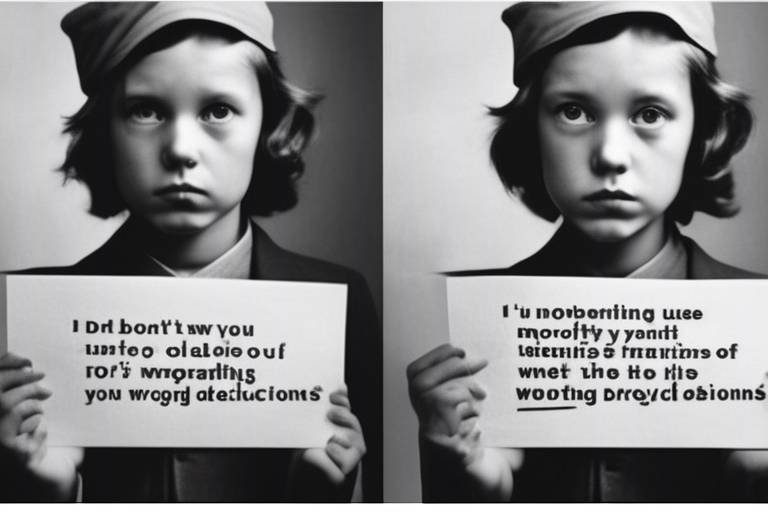
Making decisions is a fundamental part of being human, yet the journey through moral decision-making can often feel like navigating a labyrinth. Each turn presents new challenges, and sometimes, despite our best intentions, we find ourselves making choices that are not just wrong, but morally questionable. Why do we end up in these tangled situations? The answer lies in the complex interplay of various factors that influence our judgments. As we explore the intricacies of moral decision-making, we’ll uncover the reasons behind our missteps and the significant implications these choices have on both personal and societal levels.
At the heart of moral decisions are our values, beliefs, and the cultural contexts in which we live. These elements act as a compass, guiding us toward what we perceive as right or wrong. However, this compass is not infallible. Just like a GPS that can lead us astray if we input the wrong destination, our moral compass can also mislead us under certain conditions. This misdirection often occurs when we are faced with dilemmas that challenge our ethical framework, pushing us to make choices that may not align with our true values.
Moreover, the consequences of our decisions can be far-reaching. A wrong choice can lead to a cascade of negative outcomes, not only affecting the individual but also the wider community. Imagine a small pebble thrown into a pond; the ripples extend outward, impacting everything in their path. This metaphor is particularly apt when considering moral decisions, as the effects of a single choice can resonate throughout society, leading to issues such as injustice, inequality, and a breakdown in trust.
As we delve deeper into understanding the morality of wrong decisions, it becomes essential to recognize the psychological and environmental factors that can cloud our judgment. From cognitive biases that distort our perception to emotional influences that sway our decisions, the landscape of moral decision-making is fraught with obstacles. By acknowledging these influences, we can better equip ourselves to navigate the murky waters of ethics and make choices that align more closely with our moral values.
In conclusion, understanding the morality of wrong decisions is not merely an academic exercise; it is a vital endeavor that can lead to personal growth and societal improvement. As we become more aware of the factors that lead us to make poor choices, we can strive to make better decisions that reflect our true values and contribute positively to the world around us.
- What is the role of personal beliefs in moral decision-making?
Personal beliefs serve as the foundation for our moral compass, influencing how we perceive right and wrong. They are shaped by upbringing, culture, and personal experiences. - How do cognitive biases affect our decisions?
Cognitive biases can distort our judgment, leading us to make irrational decisions based on flawed reasoning or incomplete information. - Can emotions influence moral decisions?
Absolutely! Emotions like fear, joy, or anger can cloud our judgment and lead us to make choices that we might not otherwise consider. - What are the consequences of making wrong moral choices?
Wrong decisions can lead to personal guilt and shame, as well as broader societal issues such as injustice and inequality.
The Nature of Moral Decisions
Moral decisions are like the intricate threads of a tapestry, woven together by a multitude of factors that shape our understanding of right and wrong. At the core of these decisions lies a blend of personal beliefs, cultural values, and situational contexts. Each thread contributes to the overall picture, influencing how we perceive various scenarios and the choices we ultimately make. Have you ever wondered why two people faced with the same dilemma can arrive at completely different conclusions? This phenomenon is a testament to the complexity of moral decision-making.
Personal beliefs often stem from our upbringing, education, and experiences. These beliefs act as a compass, guiding us through the murky waters of ethical dilemmas. For instance, someone raised in a strict religious environment may view certain actions as morally reprehensible, while another individual from a more liberal background might see those same actions as acceptable. It’s fascinating how our backgrounds can shape our moral frameworks, isn’t it?
Cultural values also play a significant role in moral decision-making. Different societies have unique norms and expectations that influence what is considered acceptable behavior. For example, in some cultures, collectivism is valued over individualism, leading individuals to prioritize group harmony over personal desires. This cultural lens can drastically alter one’s perception of a moral choice. When we step outside our own cultural bubble, we often see a rich tapestry of moral interpretations that challenge our own views.
Situational factors add another layer of complexity to the decision-making process. The context in which a decision is made can significantly impact the outcome. Imagine a person faced with a moral choice in a high-pressure environment, such as during a crisis or when under threat. In such situations, individuals may resort to instinctive responses rather than carefully considered actions. This highlights the importance of recognizing the role of context in shaping our moral decisions.
To further illustrate this point, consider the following table that summarizes the key influences on moral decision-making:
| Influence | Description |
|---|---|
| Personal Beliefs | Guided by upbringing, education, and individual experiences. |
| Cultural Values | Norms and expectations shaped by society and tradition. |
| Situational Factors | Contextual elements that affect decision-making in real-time. |
In conclusion, understanding the nature of moral decisions requires a multi-faceted approach. By examining the interplay between personal beliefs, cultural values, and situational influences, we can gain deeper insights into why individuals sometimes make wrong choices. It’s like peeling back the layers of an onion; each layer reveals more about the complexities of human behavior. So, the next time you find yourself questioning a moral decision, remember that it’s not just about right or wrong—it’s about the intricate web of influences that shape our choices.
Factors Leading to Wrong Decisions
When we think about the choices we make, it’s easy to assume that we always act rationally and logically. However, the reality is often quite different. There are numerous factors at play that can lead us down the path of poor decision-making. These can range from our own psychological quirks to the environmental pressures we face daily. Understanding these factors is crucial, not just for personal growth, but also for fostering a more ethical society. So, let’s dive into the intricacies of what influences our moral compass.
One of the primary culprits in the realm of decision-making is cognitive biases. These biases are like little gremlins that distort our perception and judgment, often leading us astray. Imagine you’re trying to navigate through a dense fog; that’s what cognitive biases do to our decision-making process. They obscure clarity and can push us toward irrational choices. For instance, consider confirmation bias, which leads us to seek out information that supports our pre-existing beliefs. This can create an echo chamber, reinforcing misguided decisions because we only pay attention to what aligns with our views. It’s like wearing blinders that prevent us from seeing the full picture.
Another significant factor is emotional influences. Our feelings can act like a double-edged sword; they can guide us toward compassionate choices or cloud our judgment entirely. When emotions like fear or anger take the wheel, we might make snap decisions that we later regret. Think about a time when you’ve acted out of anger—perhaps you said something hurtful in the heat of the moment. This emotional reaction can lead to moral missteps that have lasting repercussions. It’s essential to recognize when our emotions are driving our decisions and to take a step back to assess the situation more objectively.
Moreover, external pressures can also play a significant role in shaping our choices. Whether it’s societal expectations, peer pressure, or even workplace dynamics, these influences can push us toward decisions we might not make in a vacuum. For example, imagine you’re in a meeting where everyone agrees on a course of action that you’re unsure about. The pressure to conform can lead you to go along with the group, even if it doesn’t sit right with you. This is a common scenario that illustrates how external factors can lead to poor moral choices.
In summary, the factors leading to wrong decisions are multifaceted and interconnected. They range from cognitive biases that skew our judgment to emotional states that cloud our reasoning, and external pressures that compel us to conform. By becoming aware of these influences, we can better navigate our decision-making processes and strive for more ethical outcomes. Understanding these elements is the first step toward making choices that align with our values and contribute positively to our communities.
- What are cognitive biases? Cognitive biases are systematic patterns of deviation from norm or rationality in judgment, which can lead to illogical conclusions.
- How do emotions affect decision-making? Emotions can cloud judgment, leading to impulsive decisions based on feelings rather than rational thought.
- What role does peer pressure play in decision-making? Peer pressure can compel individuals to make choices that align with group norms, even if those choices conflict with their personal beliefs.
Cognitive Biases
Cognitive biases are the mental shortcuts that our brains take, often leading us astray in our decision-making processes. Imagine your brain as a busy highway, where these biases act like road signs that can either guide you safely or mislead you into a ditch. They distort our perception, making it challenging to assess situations objectively. For instance, when faced with a moral dilemma, these biases can cloud our judgment, causing us to make choices that we might later regret. Understanding cognitive biases is crucial because recognizing their influence can empower us to make more informed and balanced decisions.
One of the most notorious cognitive biases is the confirmation bias. This occurs when we actively seek out information that supports our existing beliefs while ignoring evidence that contradicts them. It’s like wearing blinders that only allow us to see what we want to see. For example, if someone believes that a particular political stance is correct, they might only read articles that reinforce that belief, disregarding any opposing viewpoints. This bias can lead to misguided decisions, especially in moral contexts, where understanding multiple perspectives is vital.
Another common cognitive bias is the anchoring bias. This happens when we place too much emphasis on the first piece of information we encounter, which can skew our judgment. Picture this: you’re shopping for a car, and the first one you see is priced at $30,000. Even if you later find a similar car for $25,000, the initial price can anchor your perception, making the second option seem like a bargain, even if it’s still overpriced. In moral decision-making, anchoring can cause individuals to stick to initial impressions or ideas, hindering their ability to reassess the situation critically.
To combat these biases, it’s essential to cultivate a mindset of awareness and openness. Here are some strategies to consider:
- Challenge Your Assumptions: Regularly question your beliefs and seek out opposing viewpoints to broaden your perspective.
- Seek Diverse Opinions: Engage with people from different backgrounds and experiences to gain a more comprehensive understanding of issues.
- Reflect on Past Decisions: Analyze previous choices to identify any cognitive biases that may have influenced your outcomes.
By incorporating these strategies into our decision-making processes, we can reduce the impact of cognitive biases and strive for more ethical and sound choices. Remember, recognizing the biases is the first step towards overcoming them. Just like a navigator recalibrates their route when they hit a wrong turn, we too can adjust our moral compass to ensure we’re heading in the right direction.
Confirmation bias is like wearing a pair of tinted glasses that only lets in information that matches what you already believe. Imagine you’re a sports fan who only watches games of your favorite team, ignoring any news about rival teams. This selective attention can skew your perception and lead you to make decisions based on incomplete or biased information. When it comes to moral decision-making, confirmation bias can be particularly dangerous. It often manifests when individuals seek out evidence that supports their pre-existing beliefs, while disregarding any conflicting data. This behavior can lead to misguided choices that may have serious consequences, not just for the individual but also for those around them.
For example, consider a scenario where someone believes that a certain group of people is inherently untrustworthy. If they encounter information that supports this belief, they are likely to latch onto it with fervor, while dismissing any positive stories about that group. This can create a cycle of negativity that reinforces their initial stance, making it difficult to see the bigger picture. The danger here is that such biases can lead to poor moral choices, as individuals may act on stereotypes or unfounded fears rather than objective facts.
To combat confirmation bias, it’s essential to actively seek out diverse perspectives and challenge our own beliefs. Here are some strategies to help mitigate its effects:
- Engage with opposing viewpoints: Make a conscious effort to listen to and understand perspectives that differ from your own.
- Question your assumptions: Regularly reflect on your beliefs and consider what evidence supports or contradicts them.
- Consult trusted sources: Look for information from reputable sources that provide a balanced view of the issue at hand.
By recognizing and addressing confirmation bias, individuals can improve their decision-making processes and make choices that are more aligned with reality. This not only fosters personal growth but also contributes to a more informed and empathetic society. After all, the ability to see beyond our biases is a crucial step toward making moral decisions that benefit not just ourselves, but the community as a whole.
- What is confirmation bias? Confirmation bias is a cognitive bias that leads individuals to favor information that confirms their pre-existing beliefs while ignoring contradictory evidence.
- How can I identify confirmation bias in my decision-making? Pay attention to the sources of information you rely on and consider whether they support your beliefs. Reflect on whether you are dismissing opposing viewpoints without proper evaluation.
- What are some practical ways to overcome confirmation bias? Engage with diverse perspectives, question your assumptions, and consult reputable sources to gain a more balanced understanding of issues.
Have you ever found yourself fixated on the first piece of information you encountered, even if it was misleading? This phenomenon is known as anchoring bias, and it can significantly distort our decision-making process. Imagine you’re shopping for a new car. The first dealership you visit offers a price of $30,000 for a particular model. Even if you later find the same car at another dealership for $25,000, that initial price may still linger in your mind, influencing your perception of what constitutes a “good deal.” This is the essence of anchoring bias—our judgments and decisions are heavily swayed by the first information we receive, regardless of its relevance or accuracy.
Anchoring bias operates through a psychological mechanism where the initial information serves as a reference point, or “anchor,” that we unconsciously use to evaluate subsequent data. This can lead to skewed perceptions and ultimately poor decisions. For instance, in negotiations, if one party starts with an unreasonably high offer, the other party may adjust their expectations based on that anchor, even if it’s far from a fair market value. Such biases can manifest in various scenarios, from financial decisions to personal relationships, affecting how we assess risks and opportunities.
To combat anchoring bias, it’s crucial to adopt strategies that promote more balanced decision-making. Here are a few approaches:
- Seek Multiple Perspectives: Don’t rely solely on the first piece of information. Gather data from various sources to create a more comprehensive view.
- Question Initial Impressions: Challenge the first information you encounter. Ask yourself if it truly reflects the reality of the situation.
- Delay Decisions: Give yourself time to process information before making a choice. This can help reduce the influence of the initial anchor.
By being aware of anchoring bias and actively working to mitigate its effects, individuals can enhance their decision-making abilities. This awareness not only promotes better personal choices but also fosters a more informed society where decisions are based on a broader understanding rather than the limitations of initial impressions.
- What is anchoring bias? Anchoring bias is a cognitive bias that causes individuals to rely too heavily on the first piece of information they encounter when making decisions.
- How can I recognize anchoring bias in my decisions? Pay attention to the first information you receive about a topic or situation. Consider if it is influencing your judgment more than it should.
- What are some examples of anchoring bias in everyday life? Common examples include negotiations, shopping for products, and even making financial investments where initial price points can skew perceptions.
- How can I reduce the effects of anchoring bias? Seek multiple perspectives, question initial impressions, and take time before making decisions to allow for more comprehensive evaluations.
Emotional Influences
Emotions are like the weather; they can change unexpectedly and influence our decisions in profound ways. When faced with a moral dilemma, our emotional state can act as a compass, guiding us toward what we feel is right or wrong. However, just as a sudden storm can obscure our visibility, strong emotions can cloud our judgment, leading us to make choices we might later regret. For instance, consider a situation where someone is overwhelmed with fear. This fear might prompt them to act defensively, perhaps even unethically, to protect themselves. Similarly, feelings of anger can drive a person to retaliate impulsively, disregarding the moral implications of their actions.
Moreover, emotions can create a feedback loop that reinforces poor decision-making. When we make a choice based on a strong emotional reaction, we often feel validated in our decision, which can lead us to repeat similar choices in the future. This cycle becomes particularly problematic when emotions like guilt or shame come into play after a wrong decision, causing individuals to either withdraw from social situations or lash out defensively, further complicating their moral landscape.
To better understand how emotions influence our decisions, let’s break it down into key emotional triggers:
- Fear: Can lead to avoidance or aggressive behavior.
- Anger: Often results in impulsive actions without considering consequences.
- Joy: Can create a sense of invincibility, leading to reckless decisions.
- Sadness: May cause paralysis in decision-making, preventing action.
Recognizing these emotional influences is crucial for improving our decision-making processes. By taking a step back and assessing our emotional states before making choices, we can better align our actions with our moral values. For example, if you find yourself feeling angry, it might be wise to take a moment to cool down before responding to a provocation. This pause can help prevent a rash decision that could lead to regret.
Ultimately, understanding the role of emotions in moral decision-making allows us to navigate our choices more effectively. Just as a sailor learns to read the winds and tides, we too can learn to read our emotions, steering our moral compass toward better decisions. By acknowledging our feelings and their potential impact, we can strive to make choices that are not only rational but also ethically sound.
Q1: How can I manage my emotions to make better decisions?
A1: One effective way to manage emotions is to practice mindfulness. This involves being aware of your feelings without judgment, allowing you to pause and reflect before making a decision. Techniques such as deep breathing or journaling can also help in processing emotions more effectively.
Q2: Are there specific emotions that tend to lead to poor moral choices?
A2: Yes, emotions like fear, anger, and excessive joy can cloud judgment and lead to impulsive decisions. It’s essential to recognize these feelings and their potential impact on your choices.
Q3: Can understanding emotional influences improve my decision-making?
A3: Absolutely! By being aware of how emotions affect your decisions, you can create strategies to mitigate their influence, leading to more rational and morally sound choices.
Consequences of Wrong Decisions
Making wrong moral choices isn’t just a matter of personal regret; it can lead to a cascade of consequences that ripple through our lives and the lives of others. Think of it like throwing a stone into a pond—the initial splash is just the beginning, and the ripples can extend far beyond what you can see. These consequences can be both personal and societal, affecting everything from our mental health to the fabric of our communities.
On a personal level, the fallout from a poor decision can manifest in various ways. Individuals may experience feelings of guilt or shame, which can lead to a decrease in self-esteem and a sense of isolation. Imagine making a choice that not only hurts others but also leaves you feeling like a shadow of your former self. Your confidence takes a hit, and suddenly, you might find yourself second-guessing every decision you make. This cycle can be incredibly damaging, leading to a state of constant anxiety where you feel trapped by your past choices.
Moreover, the impact of wrong decisions can extend to your reputation. In today’s hyper-connected world, news travels fast. A single misstep can tarnish your name, affecting your relationships, career opportunities, and social standing. People might start to view you through the lens of that one mistake, ignoring the many good decisions you’ve made. This can lead to a feeling of being misunderstood and judged, further complicating your emotional landscape.
But the consequences don’t stop at the individual level. Wrong decisions can snowball into societal issues that affect entire communities. For example, when leaders make unethical choices, the ramifications can lead to widespread injustice or inequality. Think about it: a corrupt decision in a corporate boardroom can result in layoffs, affecting countless families. Or consider how a biased policy can create divisions within a community, fostering resentment and conflict.
To illustrate the broader impact of wrong decisions, consider the following table that outlines some potential personal and societal consequences:
| Type of Consequence | Personal Consequences | Societal Consequences |
|---|---|---|
| Emotional Impact | Guilt, Shame, Anxiety | Social Division, Distrust |
| Reputation | Damaged Relationships, Loss of Opportunities | Community Reputation, Loss of Credibility |
| Behavioral Changes | Increased Risk-Taking, Isolation | Increased Crime Rates, Social Instability |
In summary, the consequences of wrong decisions can create a complex web of challenges that extend far beyond the individual. Understanding these implications can serve as a powerful reminder of the weight our choices carry. Each decision we make has the potential to shape not only our own lives but also the lives of those around us. So, the next time you find yourself at a moral crossroads, take a moment to consider the broader impact of your choice—because the ripples you create can last much longer than you might think.
- What are some common personal consequences of making wrong decisions?
Common personal consequences include feelings of guilt, shame, and a damaged reputation, which can lead to decreased self-esteem and social isolation.
- How can wrong decisions affect society?
Wrong decisions can lead to broader societal issues such as injustice, inequality, and social division, affecting community dynamics and trust.
- What can individuals do to mitigate the impact of their decisions?
Individuals can reflect on their values, seek diverse perspectives, and practice mindfulness to improve their decision-making processes and outcomes.
Personal Consequences
Making wrong moral choices can lead to a cascade of that often linger long after the decision has been made. Imagine standing at a crossroads, where one path is filled with light and the other is shrouded in darkness. Choosing the latter can lead to feelings of guilt and shame that weigh heavily on one’s conscience. These emotions are not just fleeting; they can become a constant reminder of the wrong decision, making it difficult to move forward. For many, the burden of guilt manifests in various ways, such as anxiety, depression, or a decline in self-esteem.
Furthermore, the impact of poor decisions can extend beyond mere feelings. It can also damage relationships with family, friends, and colleagues. When a person makes a choice that is perceived as morally wrong, it can erode trust and respect. Imagine a friend who betrays your confidence; the wound may heal, but the scar often remains. This erosion of trust can lead to isolation, as others may distance themselves to protect their own values and beliefs.
In some cases, the repercussions can even affect one’s professional life. A wrong decision might lead to disciplinary actions, loss of job opportunities, or a tarnished reputation. For instance, individuals who engage in unethical practices at work may find themselves facing severe consequences such as termination or legal repercussions. The table below illustrates some common personal consequences that arise from poor moral choices:
| Consequence | Description |
|---|---|
| Guilt | A persistent feeling of remorse for the wrong decision made. |
| Shame | Feeling of humiliation or distress caused by one’s actions. |
| Damaged Relationships | Loss of trust and respect from others, leading to isolation. |
| Professional Repercussions | Potential job loss or damage to one’s career due to unethical behavior. |
These consequences serve as a stark reminder of the importance of making thoughtful moral decisions. They can act as a wake-up call, prompting individuals to reflect on their values and the potential fallout of their choices. Ultimately, recognizing the weight of personal consequences can empower individuals to strive for better decision-making in the future, fostering a sense of accountability and moral integrity.
- What are the most common personal consequences of wrong decisions?
The most common personal consequences include feelings of guilt, shame, damaged relationships, and professional repercussions.
- How can one mitigate the effects of a wrong decision?
Mitigating the effects can involve seeking forgiveness, making amends, and reflecting on the decision to learn from it.
- Can wrong decisions lead to positive outcomes?
Sometimes, wrong decisions can lead to valuable lessons and personal growth, but this is not guaranteed.
Societal Impact
When we talk about the of wrong decisions, it’s like throwing a stone into a still pond; the ripples extend far beyond where the stone landed. Each poor moral choice can create a cascade of effects that influence not just the individual, but also the community and society at large. Think about it: a single unethical decision made by a leader can lead to widespread distrust among the populace, ultimately eroding the very fabric of community cohesion.
Consider the implications of a wrong decision in a corporate setting. If a company opts for profit over ethics, it can lead to exploitation of workers, environmental degradation, and a tarnished reputation. This not only affects the employees and stakeholders involved but also the consumers who may unwittingly support such practices. The consequences can be far-reaching, leading to movements that demand accountability and change.
Moreover, when individuals make morally questionable choices, it can set a precedent for others. For instance, if a community witnesses a crime that goes unpunished, it may foster a sense of injustice and apathy. People might start to believe that wrong actions are acceptable, leading to a cycle of negativity and further poor choices. This is particularly evident in areas plagued by systemic issues, where one wrong decision can perpetuate cycles of poverty, crime, and inequality.
To illustrate this, let’s consider a few examples of how wrong decisions can ripple through society:
- Public Policy Decisions: A government that prioritizes short-term gains over long-term sustainability can lead to environmental disasters, affecting health and livelihoods.
- Corporate Malfeasance: When businesses engage in unethical practices, it can lead to economic downturns, affecting countless jobs and families.
- Social Norms: If society tolerates unethical behavior, it can shift the moral compass, making it harder for individuals to make the right choices.
In conclusion, the societal impact of wrong decisions is profound and multifaceted. Each choice we make can either contribute to the betterment of society or lead to its detriment. It’s essential for individuals to reflect on their decisions and consider how their actions might ripple through their communities and beyond. Understanding this interconnectedness can motivate us to strive for better choices, not just for ourselves but for the greater good.
Q: How do wrong decisions affect community trust?
A: Wrong decisions, especially those made by leaders or influential figures, can severely undermine trust within a community. When people perceive that decisions are made unethically, it breeds skepticism and can lead to a breakdown in social cohesion.
Q: Can individual choices really impact society as a whole?
A: Absolutely! Individual choices can accumulate and create significant societal changes. For example, consumer choices can push companies to adopt more ethical practices, which in turn influences industry standards.
Q: What can be done to mitigate the societal impact of wrong decisions?
A: Education and awareness are key. By promoting ethical decision-making and encouraging open discussions about the consequences of choices, we can foster a more conscientious society.
Frequently Asked Questions
- What are moral decisions?
Moral decisions are choices that involve questions of right and wrong, influenced by personal beliefs, cultural values, and situational contexts. They often require individuals to weigh their options carefully, considering the potential impact on themselves and others.
- Why do people make wrong moral choices?
People can make wrong moral choices due to various factors, including cognitive biases, emotional states, and external pressures. These influences can distort judgment and lead to decisions that may not align with one’s values or ethical standards.
- What is cognitive bias?
Cognitive bias refers to systematic patterns of deviation from norm or rationality in judgment. These biases can lead individuals to make irrational decisions by skewing their perception of reality, ultimately affecting their moral choices.
- Can emotions affect decision-making?
Absolutely! Emotions like fear, anger, or even happiness can cloud judgment and lead to poor decisions. When emotions run high, individuals might act impulsively, overriding their moral compass.
- What are the personal consequences of making wrong decisions?
The fallout from poor moral choices can include feelings of guilt, shame, and a tarnished reputation. These personal consequences can weigh heavily on individuals, prompting them to reflect on their actions and strive for better decision-making in the future.
- How can wrong decisions impact society?
When individuals make wrong moral choices, the repercussions can extend beyond themselves, leading to societal issues like injustice and inequality. These decisions can create a ripple effect, influencing the community and potentially harming many lives.
- What can I do to improve my decision-making?
Improving decision-making involves recognizing cognitive biases, managing emotional influences, and seeking diverse perspectives. Taking the time to reflect on choices and considering their broader implications can lead to more ethical and informed decisions.
morality, wrong decisions, ethics, consequences, judgment, empathy, responsibility, accountability, , morality, wrong decisions, ethics, consequences, judgment, empathy, responsibility, accountability,
Share this content:
Leave a Reply