
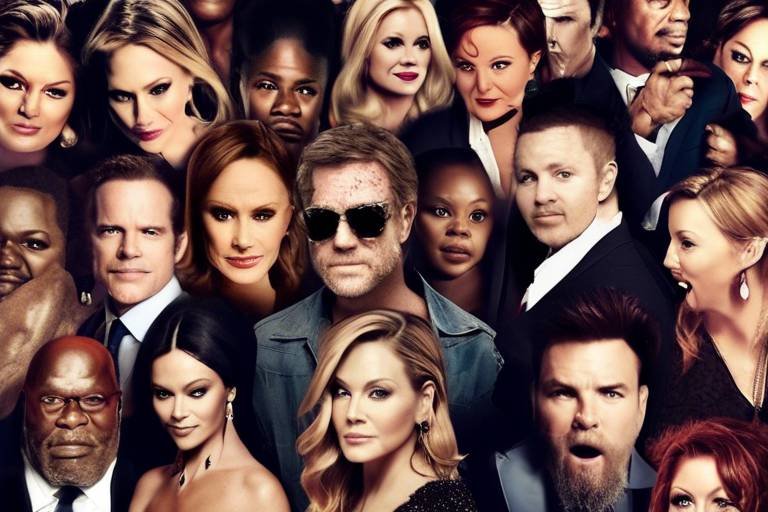
In today’s fast-paced world, where social media reigns supreme, the intricate relationship between celebrity culture and ethics has become more pronounced than ever. Celebrities, with their larger-than-life personas, have a profound influence on societal norms, behaviors, and even the moral compass of their followers. Every tweet, Instagram post, or public appearance can spark discussions that ripple through society, affecting everything from fashion trends to political opinions. But as we dive into this glitzy world, it’s crucial to ask ourselves: what are the ethical implications of this fame? Are celebrities merely entertainers, or do they carry a heavier responsibility towards their fans and society as a whole?
The allure of celebrity often stems from their glamorous lifestyles, which can overshadow the ethical dilemmas they face daily. Many people idolize celebrities, viewing them as the epitome of success and happiness. This fascination can lead to unrealistic expectations and values among fans, especially younger audiences who may look to these public figures as role models. But is it fair to place such a burden on individuals who may not have signed up for it? In this article, we will explore the complex web of celebrity culture and the ethical responsibilities that come with it, examining both the positive and negative influences that celebrities can exert on society.
Why are we so captivated by celebrities? The answer lies in the glamour and excitement that surrounds their lives. From red carpet events to luxurious vacations, the world of celebrity seems like a dream come true. However, this fascination often blinds us to the ethical issues at play. Celebrities are not just entertainers; they are public figures whose actions can have significant consequences. The media often sensationalizes their lives, creating a narrative that can distort reality. This leads to a cycle where the public demands more drama and spectacle, pushing celebrities to engage in increasingly controversial behavior.
With great fame comes great responsibility. Public figures hold a unique position in society, which brings with it a set of ethical obligations. They have the power to shape opinions and influence behaviors, which means their actions can inspire both positive and negative outcomes. Celebrities must consider the impact of their choices, not just on their careers but also on their fans and society at large. This responsibility is particularly crucial when it comes to the younger generation, who often look up to these stars as role models.
One of the most significant ethical considerations is the impact celebrities have on youth. Young people are impressionable and often emulate the behaviors and attitudes of those they admire. For instance, when a celebrity promotes a healthy lifestyle, it can inspire fans to adopt similar habits. Conversely, if a celebrity engages in reckless behavior, it may send the wrong message to their followers. This duality raises important questions: Should celebrities be held accountable for their influence? Are they aware of the weight their choices carry?
Fortunately, many celebrities actively promote positive values and behaviors. These public figures use their platforms to advocate for causes such as mental health awareness, environmental sustainability, and social justice. By doing so, they not only inspire their fans but also contribute to a greater good. For example, celebrities like Leonardo DiCaprio and Emma Watson have made significant strides in raising awareness about climate change and gender equality, respectively. Their efforts demonstrate how fame can be leveraged for positive impact.
On the flip side, many celebrities engage in controversial behavior that can negatively impact their followers. From substance abuse to reckless actions, these instances highlight the ethical implications of celebrity culture. When a star is caught in a scandal, it doesn’t just tarnish their image; it can also normalize harmful behaviors among fans. This raises critical ethical questions about accountability and the potential consequences of a celebrity’s actions on their audience.
The media plays a crucial role in shaping public perceptions of celebrities. Coverage can either uphold or undermine ethical standards within celebrity culture. Sensationalist reporting often prioritizes drama over truth, leading to a distorted view of reality. This not only affects how we perceive celebrities but also influences the behavior of those who idolize them. As consumers of media, it’s essential to critically evaluate the narratives presented to us and consider the ethical implications of our consumption habits.
In the realm of consumerism, celebrity endorsements significantly impact buying behaviors. When a famous person endorses a product, it can create a sense of trust and desirability among consumers. However, this practice raises ethical considerations surrounding authenticity and transparency. Are celebrities genuinely using the products they promote, or are they merely cashing in on their fame?
Authenticity is key when celebrities endorse products. Fans can often sense when a celebrity is genuinely passionate about a brand versus when they are simply promoting it for financial gain. This connection is crucial for ethical marketing practices. When celebrities align themselves with brands that reflect their values, it fosters trust and loyalty among their audience. Conversely, inauthentic endorsements can lead to consumer disillusionment and skepticism.
Clear communication regarding endorsements is essential for ethical marketing. Celebrities must disclose their partnerships to maintain transparency with their audience. Failing to do so not only undermines their credibility but also raises ethical concerns about manipulation and exploitation. As consumers, it’s vital to demand transparency from public figures and hold them accountable for their endorsements.
- What ethical responsibilities do celebrities have? Celebrities have a duty to consider the impact of their actions on their fans and society, particularly when it comes to influencing youth.
- How can celebrities be positive role models? By advocating for important causes and promoting healthy lifestyles, celebrities can inspire their followers to make positive choices.
- What role does the media play in celebrity culture? The media shapes public perceptions and can either uphold or undermine ethical standards through their coverage of celebrities.
- Why is authenticity important in celebrity endorsements? Authenticity fosters trust between celebrities and their audience, making endorsements more effective and ethically sound.
- What should consumers look for in celebrity endorsements? Consumers should seek transparency and genuine connections between celebrities and the products they promote to ensure ethical marketing practices.
The Allure of Celebrity
The fascination with celebrities is a phenomenon as old as time, yet it feels more potent in today’s digital age. With social media platforms serving as the modern-day catwalks, the allure of celebrity has transformed into an obsession that captivates millions. But what is it about these public figures that draws us in? Is it their glamorous lifestyles, their extravagant parties, or perhaps the perception that they live in a world far removed from our own? This allure can overshadow the ethical dilemmas they face, creating a complex tapestry of admiration and scrutiny.
At the heart of this fascination lies a deep-seated desire for connection and escapism. People often look to celebrities as a way to escape their mundane realities, dreaming of a life filled with luxury, adventure, and excitement. The glitz and glamour of Hollywood can be intoxicating, making us forget that these stars are, in fact, human beings with their own struggles and ethical challenges. This disconnect can lead to unrealistic expectations, where fans idolize celebrities without considering the weight of their actions and decisions.
Moreover, the media plays a pivotal role in amplifying this allure. Through carefully curated images and stories, celebrities are often portrayed as larger-than-life figures—almost mythical in nature. This portrayal can create a sense of aspiration among fans, who may feel that by emulating their favorite stars, they too can achieve a slice of that glamorous lifestyle. However, this raises important questions about the responsibility of celebrities to maintain ethical standards and promote positive behaviors.
In addition to the glitz, there’s an underlying current of social commentary that comes with celebrity culture. As public figures, celebrities have a platform that can influence societal norms and values. They can either challenge the status quo or reinforce harmful stereotypes. The allure of celebrity is not merely about fame; it’s about the power that comes with it. When celebrities use their influence for good, they can inspire change and motivate their followers to act ethically. Conversely, when they engage in controversial behavior, they risk leading their fans down a path of moral ambiguity.
In essence, the allure of celebrity is a double-edged sword. While it captivates and entertains, it also brings to light significant ethical considerations. The question remains: how can we navigate this complex landscape? As fans, we must strive to maintain a critical perspective, recognizing that behind the glitz and glamour lies a world of ethical dilemmas that deserve our attention.
Ethical Responsibilities of Celebrities
The world of celebrity is not just about glitz and glamour; it’s a complex web of influence that carries significant ethical responsibilities. Public figures, by virtue of their fame, hold a unique position in society. Their actions are under constant scrutiny, and their words can shape public opinion in ways they might not even realize. This power comes with an obligation to act ethically and responsibly. But what does that really mean? Can we expect celebrities to be role models, or is that an unfair burden to place on them?
First and foremost, celebrities have a moral obligation to their fans. When millions of people look up to you, the stakes are high. A celebrity’s endorsement can make or break a product, a cause, or even a social movement. This influence means that their choices can significantly impact societal norms and behaviors. For instance, a celebrity who promotes mental health awareness can help destigmatize the issue, encouraging fans to seek help when needed. On the flip side, a celebrity who engages in reckless behavior can set a poor example, leading fans to emulate harmful actions.
Consider the role of celebrities as role models for younger generations. It’s not just about the music, movies, or sports; it’s about the lifestyle they project. Young people are particularly impressionable, and they often look to celebrities for guidance on how to navigate life’s challenges. When a celebrity shares their struggles with addiction or mental health, it can open up conversations that are desperately needed. However, when they flaunt a lifestyle filled with excess and irresponsibility, it can send a message that such behavior is acceptable. This duality raises important ethical questions about the responsibilities celebrities have towards their younger fans.
Moreover, celebrities have the power to influence political and social issues. Their platforms can amplify voices that might otherwise go unheard. For example, when celebrities advocate for climate change or social justice, they can mobilize their followers to take action. However, with such power comes the responsibility to be informed and thoughtful about the issues they choose to champion. It’s crucial for public figures to ensure that their advocacy is based on credible information and genuine concern, rather than mere publicity stunts.
In addition to their influence on social issues, celebrities also need to be aware of their impact on the consumer culture. When endorsing products, they should consider the ethical implications of their choices. Are they promoting items that are environmentally friendly? Are they supporting brands that treat their workers fairly? These questions are vital in today’s consumer-driven society. Fans often trust celebrities to guide their purchasing decisions, and this trust must not be taken lightly.
To summarize, the ethical responsibilities of celebrities are manifold and complex. They must navigate the fine line between personal freedom and public expectation. As role models, advocates, and influencers, they hold the potential to effect positive change in society. However, they must also be aware of the consequences of their actions and the messages they send. The relationship between celebrity culture and ethics is intricate, but by embracing their responsibilities, celebrities can use their fame for the greater good.
- What ethical responsibilities do celebrities have?
Celebrities are expected to act as role models, promote positive values, and be aware of the impact their actions have on society. - How can celebrities positively influence their fans?
By advocating for important social issues, promoting healthy lifestyles, and being transparent about their struggles, celebrities can inspire their fans in meaningful ways. - Are all celebrities aware of their influence?
Not all celebrities recognize the extent of their influence, which can lead to irresponsible behavior that negatively affects their followers.
Impact on Youth
The influence of celebrities on youth culture is profound and multifaceted. Young people are often impressionable, absorbing values, behaviors, and attitudes from the figures they admire. In today’s digital age, where social media reigns supreme, the reach of these public figures extends far beyond traditional media, making their impact even more significant. When a celebrity endorses a product, shares a lifestyle, or expresses an opinion, it can resonate with millions of young fans who look up to them. But what does this mean for the ethical responsibilities of these celebrities?
On one hand, celebrities have the power to inspire and motivate. For instance, many use their platforms to advocate for social issues, mental health awareness, and positive lifestyle choices. This can lead to a ripple effect, encouraging young people to engage in community service, promote healthy living, or stand up for social justice. However, the other side of the coin reveals a darker reality. When celebrities engage in reckless behavior or promote unhealthy lifestyles, they risk leading their young fans down a harmful path.
Consider the following points:
- Role Models: Celebrities often become unintentional role models for youth, shaping their perceptions of success and happiness.
- Behavioral Influence: The actions of public figures can normalize certain behaviors, whether they are positive or negative.
- Social Media Impact: The constant exposure to celebrity lifestyles on platforms like Instagram and TikTok can create unrealistic expectations among young people.
For example, when a celebrity flaunts a lavish lifestyle or engages in controversial actions, it can lead young fans to emulate these behaviors, often without considering the consequences. This raises ethical questions about the responsibility of celebrities to act with integrity and awareness of their influence. Are they merely entertainers, or do they have a duty to promote ethical standards and positive behavior?
Moreover, the media plays a crucial role in this dynamic. By sensationalizing celebrity antics or glorifying their lifestyles, they can inadvertently reinforce negative behaviors. This creates a feedback loop where celebrities feel pressured to maintain their public personas, often at the expense of their ethical responsibilities.
Ultimately, the impact of celebrities on youth is a double-edged sword. While they can inspire and uplift, they also have the potential to mislead and misinform. As a society, it is essential to foster critical thinking among young people, encouraging them to question the messages they receive from their idols. Parents, educators, and mentors should engage in open discussions about celebrity culture, helping youth navigate the complexities of fame and influence.
1. How do celebrities influence youth behavior?
Celebrities can significantly shape youth behavior by serving as role models. Their actions, whether positive or negative, can influence young people’s choices and perceptions of acceptable behavior.
2. What are the ethical responsibilities of celebrities?
Celebrities hold a unique position in society and have a duty to act responsibly. They should be aware of their influence and strive to promote positive values and behaviors.
3. How can parents help mitigate negative celebrity influence?
Parents can engage in discussions about celebrity culture, encouraging critical thinking and helping youth understand the difference between reality and the often curated lives of public figures.
4. Are all celebrities negative influences?
No, not all celebrities are negative influences. Many use their platforms to advocate for important causes and promote positive behaviors, serving as inspiring role models for young people.
Positive Role Models
In a world where celebrity culture often saturates our daily lives, it’s refreshing to spotlight those public figures who utilize their fame for the greater good. among celebrities can inspire millions, proving that fame doesn’t have to come with a hefty dose of irresponsibility. These individuals often use their platforms to advocate for important causes, promote healthy lifestyles, and encourage social change. Just think about it: when a celebrity speaks out on issues like mental health, climate change, or equality, their voice can echo far and wide, reaching audiences that traditional activists might not.
For instance, consider the impact of celebrities like Leonardo DiCaprio. His commitment to environmental conservation has not only raised awareness about climate change but has also spurred action among fans and followers. Through his foundation, he supports various environmental initiatives, showing how one person’s influence can mobilize a community. Similarly, Oprah Winfrey has long been an advocate for education and empowerment, using her platform to uplift others and encourage personal growth. Her philanthropic efforts have transformed countless lives, demonstrating that celebrities can indeed be powerful forces for good.
Moreover, the actions of these role models often resonate deeply with younger audiences. When celebrities openly discuss their struggles and triumphs, it humanizes them, making it easier for fans to relate. For example, when Demi Lovato shares her journey through mental health challenges, it not only helps destigmatize those issues but also encourages young people to seek help and support. This kind of vulnerability can foster a sense of community and understanding, reinforcing the idea that it’s okay to not be okay.
However, it’s crucial to recognize that being a positive role model comes with its own set of challenges. Celebrities are constantly under scrutiny, and their every move is analyzed by the public and media alike. This pressure can lead to missteps, but the true measure of a role model lies in their ability to learn from mistakes and continue advocating for positive change. They remind us that nobody is perfect, yet everyone has the potential to make a difference.
In conclusion, while celebrity culture can sometimes feel superficial, there are numerous examples of stars who shine a light on important issues and inspire positive change. By embracing their roles as advocates and mentors, these celebrities not only elevate their own status but also uplift the communities around them. So next time you find yourself captivated by a celebrity’s glamorous lifestyle, take a moment to consider the impact they might have on the world. Are they using their influence for good? The answer might surprise you!
- What defines a positive role model in celebrity culture? A positive role model is someone who uses their platform to advocate for social causes, promote healthy behaviors, and inspire others through their actions and words.
- Can celebrities truly make a difference? Yes! Celebrities can leverage their influence to raise awareness and drive change, often reaching audiences that traditional activists cannot.
- Are all celebrities good role models? No, not all celebrities act responsibly. It’s important to critically evaluate the actions and messages of public figures.
Negative Influences
The world of celebrity culture is a double-edged sword, and while many public figures can inspire positivity, there exists a significant number who can lead their followers down a path of negativity. This phenomenon raises serious ethical questions about the responsibilities that come with fame. When celebrities engage in questionable behavior—whether it’s substance abuse, reckless partying, or promoting unhealthy lifestyles—they not only jeopardize their own well-being but also set a dangerous precedent for their fans, particularly impressionable youth.
Consider the impact of a celebrity who openly flaunts a lifestyle filled with excess and indulgence. Such portrayals can create unrealistic expectations among young fans, who might feel pressured to emulate these behaviors in order to feel accepted or valued. For instance, when a popular musician openly discusses their drug use or promotes a hedonistic lifestyle, it can glamorize such choices, making them seem appealing rather than dangerous. This is where the ethical implications become stark. Are these celebrities aware of their influence? Are they considering the potential consequences of their actions on their followers’ lives?
Moreover, the media often amplifies these negative behaviors, creating a cycle that glorifies celebrity missteps rather than holding them accountable. Tabloids and gossip sites thrive on scandal, frequently prioritizing sensationalism over substance. This not only distorts the public’s perception of what is acceptable behavior but also desensitizes audiences to the consequences of such actions. The question arises: at what point does the media’s role in perpetuating these negative influences become ethically questionable?
To further illustrate the impact of negative influences, consider the following examples:
- Celebrity endorsements of unhealthy products, such as fast food or alcohol, can lead to increased consumption among fans.
- Public figures engaging in public disputes or hostile behavior can normalize aggression and conflict resolution through violence.
- Social media platforms often showcase celebrities living extravagant lifestyles, which can lead to feelings of inadequacy among followers who cannot attain similar standards.
In conclusion, the negative influences of celebrities are a significant concern that merits attention. As society continues to idolize these figures, it becomes increasingly important to foster an environment that encourages ethical behavior and accountability. Celebrities must recognize that their actions have far-reaching implications, and they should strive to use their platforms to promote positive change rather than perpetuate harmful norms. The challenge lies not only with the celebrities themselves but also with the media and society at large, which must engage in critical discussions about the ethics of celebrity culture.
Q: How do negative celebrity influences affect young people?
A: Negative influences can lead young people to emulate unhealthy behaviors, create unrealistic expectations, and contribute to feelings of inadequacy or low self-esteem.
Q: What role does the media play in shaping perceptions of celebrity behavior?
A: The media can either amplify negative behavior by sensationalizing it or hold celebrities accountable by reporting responsibly, thus shaping public perceptions significantly.
Q: Are there any positive outcomes from celebrity influences?
A: Yes, many celebrities use their platforms to promote positive behaviors, such as mental health awareness, charitable causes, and healthy lifestyles, which can inspire their followers to make better choices.
Media’s Role in Celebrity Ethics
The media plays an undeniably pivotal role in shaping the landscape of celebrity culture and the ethical considerations that accompany it. With the rapid evolution of technology and the omnipresence of social media, celebrities are more accessible than ever, allowing fans to engage with them on a personal level. This accessibility, however, comes with a double-edged sword. On one hand, media platforms can elevate a celebrity’s positive actions and philanthropic efforts, while on the other, they can sensationalize scandals and controversies that tarnish reputations. The question arises: how does this influence ethical standards within the realm of celebrity culture?
To understand this dynamic, we must first recognize that the media does not merely report on celebrities; it actively constructs narratives around them. These narratives can either uphold or undermine ethical standards. For instance, when a celebrity is caught in a scandal, the media often rushes to cover the story, sometimes prioritizing sensationalism over factual reporting. This can lead to a public perception that is skewed and unfair, where the celebrity is judged solely on their missteps rather than their overall character or contributions to society.
Moreover, the media’s portrayal of celebrities can significantly impact public opinion and behavior. When celebrities are depicted as role models, their actions are scrutinized and imitated by fans, especially younger audiences. This raises an ethical dilemma: should the media hold celebrities accountable for their actions, or should it allow them the freedom to navigate their personal lives without judgment? The answer is not straightforward, as it involves balancing freedom of expression with the responsibility that comes with fame.
One of the most pressing issues in this context is the concept of responsible journalism. Ethical journalism should strive to provide balanced coverage, highlighting not only the misdeeds of celebrities but also their positive contributions. For example, a table summarizing the impact of media coverage on public perception could look like this:
| Type of Coverage | Impact on Public Perception |
|---|---|
| Positive Coverage | Encourages admiration and emulation of ethical behavior. |
| Negative Coverage | Leads to public shaming and can damage reputations irreparably. |
| Balanced Coverage | Provides a fair view, allowing audiences to form their own opinions. |
Additionally, the rise of social media has transformed the way celebrities interact with their fans and how the media reports on them. Platforms like Instagram and Twitter allow celebrities to share their thoughts and experiences directly, bypassing traditional media outlets. This shift has led to a more personal connection between celebrities and their audience, but it also raises questions about accountability. When a celebrity shares content that may be misleading or harmful, who is responsible for the consequences? The celebrity, the media, or the platform itself?
In conclusion, the media’s role in celebrity ethics is multifaceted and complex. It has the power to shape narratives, influence public opinion, and hold celebrities accountable, but it also bears the responsibility of ethical reporting. As consumers of media, we must remain vigilant and critical of the information we receive, understanding the impact it can have on our views of celebrity culture and the ethical implications that arise from it. After all, in a world where celebrity culture is ever-present, the line between admiration and ethical responsibility continues to blur.
- What is the role of the media in celebrity culture? The media shapes public perceptions, constructs narratives about celebrities, and influences how their actions are interpreted.
- How does celebrity behavior impact youth? Celebrities often serve as role models, and their actions can inspire or mislead younger audiences.
- What are the ethical responsibilities of celebrities? Celebrities have a moral obligation to consider the influence they have on their fans and to act in ways that promote positive values.
- Why is responsible journalism important? Responsible journalism ensures balanced coverage, highlighting both positive contributions and negative actions, allowing the public to form informed opinions.
Consumerism and Celebrity Endorsements
In today’s fast-paced world, celebrity endorsements have become a powerful tool in the realm of consumerism. When a famous face endorses a product, it can create an almost magnetic pull for consumers, leading them to believe that they, too, can attain the lifestyle or happiness that the celebrity represents. But have you ever stopped to think about the ethical implications surrounding this phenomenon? It’s not just about selling products; it’s about the responsibility that comes with influence. Celebrities wield significant power in shaping consumer behavior, and with that power comes a moral obligation to act responsibly.
Consider this: when a celebrity promotes a product, they aren’t just endorsing a brand; they are often endorsing a lifestyle. This can lead to a culture of materialism where followers feel pressured to buy products to emulate their idols. For instance, when a beloved actor promotes a luxury car or a high-end skincare line, it can create unrealistic expectations among fans. They might think, “If I buy this, I’ll be just like them!” This brings us to the question of authenticity. Are these celebrities genuinely using the products they endorse, or are they simply cashing in on their fame?
To illustrate the impact of celebrity endorsements, let’s take a look at some statistics:
| Celebrity | Endorsed Product | Impact on Sales |
|---|---|---|
| Kim Kardashian | Kardashian Beauty | Increased sales by 30% |
| LeBron James | Nike | Boosted sales by 25% |
| Ariana Grande | Reebok | Sales surged by 40% |
As you can see, the numbers speak volumes. When celebrities endorse products, their influence can lead to substantial increases in sales. However, this raises another ethical concern: transparency. Are fans aware of the financial motivations behind these endorsements? If a celebrity is being paid to promote a product, should they disclose this information? The answer is a resounding yes! Transparency is crucial in maintaining trust between celebrities and their followers.
Many consumers are now calling for honesty in advertising, especially when it comes to celebrity endorsements. They want to know if the celebrity actually believes in the product or if they are merely promoting it for a paycheck. This demand for authenticity has led to a shift in how endorsements are approached. Celebrities who genuinely connect with the products they endorse tend to resonate better with their audience, leading to a more ethical marketing approach.
Moreover, the rise of social media has changed the landscape of celebrity endorsements. With platforms like Instagram and TikTok, celebrities can directly engage with their audience, making it easier for them to promote products. However, this also means that the lines between personal opinion and paid promotion can become blurred. Followers may not always be aware of whether a post is a genuine recommendation or a sponsored advertisement, leading to further ethical dilemmas.
In conclusion, while celebrity endorsements can significantly influence consumer behavior, they come with a host of ethical responsibilities. Celebrities must be aware of their impact and strive for authenticity and transparency in their promotions. After all, with great power comes great responsibility, and in a world where consumerism reigns supreme, it’s essential for public figures to act ethically.
- What are celebrity endorsements?
Celebrity endorsements are marketing strategies where public figures promote products or services, leveraging their fame to influence consumer purchasing decisions. - Why are celebrity endorsements effective?
They are effective because consumers often admire and trust celebrities, believing that their endorsement signifies quality and desirability. - What are the ethical concerns surrounding celebrity endorsements?
Ethical concerns include authenticity, transparency about paid promotions, and the potential for creating unrealistic expectations among consumers. - How can consumers ensure they are making informed choices?
Consumers can look for disclosures in social media posts and advertisements, as well as research the products and the celebrities endorsing them.
Authenticity in Endorsements
In today’s fast-paced digital world, authenticity has become the golden ticket for celebrity endorsements. When a celebrity endorses a product, their fans often expect a genuine connection between the star and the brand. But why is this authenticity so crucial? Well, think about it—when you see your favorite celebrity promoting a product, you want to believe that they truly use it and love it. If their endorsement feels forced or insincere, it can lead to skepticism and distrust among their followers.
Consider the impact of social media on this dynamic. The rise of platforms like Instagram and TikTok has given celebrities a direct line to their audience, making it easier for them to share their personal experiences with products. This transparency can either enhance their credibility or damage it. For instance, a celebrity who frequently promotes various brands without any real connection to them may come off as disingenuous. On the other hand, when a public figure genuinely loves a product and shares that passion with their audience, it can create a powerful bond that drives consumer behavior.
To illustrate this point, let’s take a look at some examples:
| Celebrity | Brand | Authenticity Level |
|---|---|---|
| Selena Gomez | Rare Beauty | High |
| Kylie Jenner | Kylie Cosmetics | Medium |
| Kim Kardashian | Skims | High |
| Drake | Virginia Black Whiskey | Low |
In this table, you can see how the level of authenticity varies among celebrities and their endorsed brands. For example, Selena Gomez’s Rare Beauty line is often viewed as a genuine extension of her values, particularly around self-acceptance and mental health. This connection not only boosts her credibility but also resonates deeply with her audience. In contrast, when celebrities like Drake endorse products that seem disconnected from their personal brand, it can lead to questions about their motivations.
Moreover, the ethical implications of authenticity in endorsements extend beyond just the celebrity’s reputation. They also affect consumers’ purchasing decisions. When fans feel that a celebrity is being authentic, they are more likely to trust their recommendations, leading to increased sales for the endorsed product. This creates a cycle where authenticity breeds success, and success reinforces authenticity.
However, the challenge lies in maintaining that authenticity. As the market becomes saturated with celebrity endorsements, it becomes even more vital for public figures to choose partnerships that align with their personal brand and values. This not only safeguards their credibility but also ensures that they are promoting products they genuinely believe in.
In conclusion, authenticity in celebrity endorsements is not just a buzzword; it’s a critical factor that influences consumer trust and brand loyalty. As fans become increasingly discerning, celebrities must navigate this landscape with care, ensuring that their endorsements reflect their true beliefs and experiences. After all, in a world where consumers crave realness, the most impactful endorsements are those that come from the heart.
- Why is authenticity important in celebrity endorsements? Authenticity builds trust between celebrities and their audience, leading to more effective marketing.
- How can celebrities ensure their endorsements are authentic? By choosing brands that align with their personal values and experiences.
- What happens if a celebrity’s endorsement is deemed inauthentic? It can damage their reputation and lead to consumer skepticism.
Transparency and Disclosure
In today’s fast-paced world, where information is just a click away, the concept of transparency in celebrity endorsements has never been more critical. When a celebrity endorses a product, it’s not just a simple transaction; it’s a relationship that can significantly influence consumer behavior. Imagine a famous actor promoting a skincare line. Their fans, often trusting their judgment, may rush to buy the product without questioning its effectiveness or the authenticity of the endorsement. This is where the ethical responsibility of celebrities comes into play.
Transparency means being open about the nature of the relationship between the celebrity and the product they are promoting. It’s about ensuring that fans understand when a celebrity is genuinely passionate about a product versus when they are simply being compensated for their promotion. The lack of disclosure can lead to a breach of trust, and once that trust is broken, it can be incredibly challenging to rebuild. Celebrities must realize that their influence comes with a responsibility to be honest and forthright.
Moreover, the Federal Trade Commission (FTC) has guidelines that require celebrities to disclose any material connections with brands they endorse. This means that if a celebrity receives payment, free products, or any other perks for promoting a brand, they are ethically and legally obligated to inform their audience. Failure to do so not only undermines their credibility but can also mislead consumers, leading them to make purchases based on incomplete information.
To illustrate this point further, consider the following table that outlines the implications of transparency in celebrity endorsements:
| Aspect | With Transparency | Without Transparency |
|---|---|---|
| Consumer Trust | High | Low |
| Brand Reputation | Positive | Negative |
| Legal Compliance | Compliant | Potentially Liable |
| Consumer Purchase Decisions | Informed | Misguided |
As we can see, the benefits of transparency not only enhance the trust between celebrities and their followers but also bolster the reputation of the brands they endorse. Celebrities who choose to be transparent about their endorsements are likely to foster a more loyal fan base, as consumers appreciate honesty and integrity.
In conclusion, the ethical implications of transparency and disclosure in celebrity endorsements cannot be overstated. It’s about more than just following legal guidelines; it’s about building a relationship based on trust and authenticity. As consumers become more aware of the importance of ethical marketing practices, celebrities must rise to the occasion and ensure that their endorsements are transparent, honest, and responsible. After all, in a world where every action is scrutinized, maintaining integrity is not just a choice; it’s a necessity.
- Why is transparency important in celebrity endorsements?
Transparency builds trust with consumers and ensures that they are making informed purchasing decisions. - What are the legal requirements for celebrity endorsements?
Celebrities must disclose any material connections with brands they endorse, as mandated by the FTC. - How can celebrities maintain authenticity in their endorsements?
By only endorsing products they genuinely believe in and being open about their relationships with brands. - What happens if a celebrity fails to disclose an endorsement?
It can lead to a loss of credibility, consumer mistrust, and potential legal repercussions.
Frequently Asked Questions
- What is the connection between celebrity culture and ethics?
Celebrity culture and ethics are intertwined as public figures often influence societal norms and behaviors. Their actions can set trends, and with that power comes the responsibility to act ethically. This relationship raises questions about the impact of fame on moral choices and the ethical obligations celebrities have towards their fans.
- How do celebrities influence youth behavior?
Celebrities can significantly impact the behavior of young people, often serving as role models. Their lifestyle choices, public statements, and social media presence can inspire or mislead impressionable minds. This influence can lead to both positive and negative outcomes, making it crucial for celebrities to be aware of their actions and the messages they convey.
- Are there positive role models among celebrities?
Yes, many celebrities actively promote positive values and behaviors. They use their platforms to advocate for social causes, mental health awareness, and environmental sustainability. By showcasing their commitment to ethical practices, these public figures can inspire their followers to adopt similar values and make a positive impact.
- What are the negative influences of celebrities?
On the flip side, some celebrities engage in controversial behaviors that can negatively affect their followers. This includes promoting unhealthy lifestyles, substance abuse, or engaging in unethical practices. The ethical implications of such influences can be profound, as they may normalize harmful behaviors among their audience.
- How does the media shape perceptions of celebrity ethics?
The media plays a pivotal role in shaping public perceptions of celebrities and their ethical standards. Coverage can either uphold ethical behavior by highlighting positive actions or undermine it by focusing on scandals and controversies. This dynamic can influence how society views the responsibilities of public figures.
- What ethical considerations surround celebrity endorsements?
Celebrity endorsements raise important ethical questions regarding authenticity and transparency. Consumers often trust celebrity endorsements, so it’s crucial that celebrities genuinely believe in the products they promote. Additionally, clear communication about partnerships is essential to maintain trust and uphold ethical marketing practices.
- Why is authenticity important in endorsements?
Authenticity is vital in celebrity endorsements because it fosters trust between the celebrity and their audience. When fans perceive an endorsement as genuine, they are more likely to engage with the product. Conversely, inauthentic endorsements can lead to skepticism and damage both the celebrity’s reputation and the brand’s image.
- What is the role of transparency in celebrity promotions?
Transparency in celebrity promotions is crucial for ethical marketing. Celebrities should disclose their partnerships and sponsorships to ensure that their audience understands the nature of their endorsements. Failing to do so can mislead consumers and raise ethical concerns about the integrity of both the celebrity and the brands involved.
Celebrity Culture, Ethics, Public Perception, Fame Responsibility, Media Influence, Privacy Rights, Social Accountability, Role Models, , Celebrity Culture, Ethics, Public Perception, Fame Responsibility, Media Influence, Privacy Rights, Social Accountability, Role Models,
Share this content:
Leave a Reply