
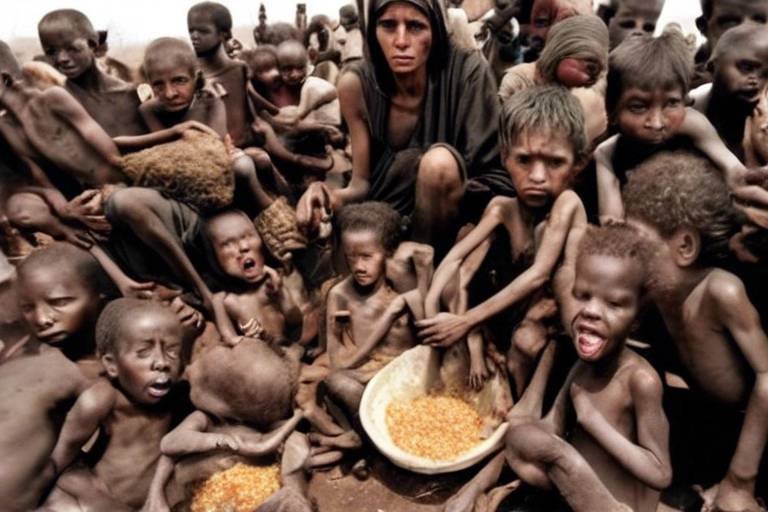
Famine is not just a tragic occurrence; it’s a complex tapestry woven from threads of politics, economics, and environmental factors. When we think about hunger, it’s easy to point fingers at natural disasters or crop failures, but the reality is much more intricate. The question arises: who truly holds the responsibility for the hunger that devastates millions of lives? Is it the governments that fail to provide for their citizens, the international organizations that struggle to deliver aid, or perhaps even us as individuals? This article seeks to unravel these ethical implications, examining the roles and responsibilities of various players in the ongoing battle against food insecurity.
Understanding the nature of famine requires a deep dive into its multifaceted causes. It’s not merely about a lack of food; rather, it’s about the systems that govern food distribution and access. Socio-economic disparities, such as poverty and inequality, play a significant role in determining who gets to eat and who doesn’t. Political instability can disrupt supply chains, leading to scarcity in regions that are already vulnerable. Environmental factors, including climate change and natural disasters, also contribute significantly to food shortages. Imagine a world where a farmer’s harvest is wiped out by an unexpected drought, leaving families without the means to feed themselves. This scenario is all too common and highlights the urgent need to address the root causes of famine.
History offers a lens through which we can view the ethical discussions surrounding famine. The Great Famine in Ireland (1845-1852) serves as a poignant reminder of how political decisions can exacerbate food crises. The British government’s response—or lack thereof—has been widely criticized, raising questions about the moral obligations of those in power. Similarly, the Bengal Famine of 1943, where millions perished, has sparked debates about colonial policies and their impact on food security. By examining these historical events, we can better understand contemporary views on responsibility and the ethical considerations that should guide famine relief efforts today.
Governments are often the first line of defense against famine. They hold the power to implement policies that can either alleviate or exacerbate food insecurity. The ethical obligations of national leaders extend beyond mere governance; they must actively ensure that their populations have access to adequate nutrition. This includes investing in agricultural infrastructure, creating social safety nets, and maintaining stable food prices. When governments fail in these duties, they not only neglect their citizens but also contribute to a cycle of poverty and hunger. It begs the question: how can we hold these leaders accountable for their inaction?
International organizations, such as the United Nations and various NGOs, play a critical role in famine relief. They mobilize resources, provide emergency assistance, and advocate for policies that promote food security. However, their effectiveness can vary significantly based on the political landscape and local conditions. For instance, during the Ethiopian famine in the 1980s, international aid was crucial, yet it also raised ethical questions about dependency and the long-term effects of aid. Evaluating the responsibilities of these organizations involves scrutinizing their strategies and ensuring that they prioritize sustainable solutions over temporary fixes.
While governments and organizations bear significant responsibility, individuals also play a vital role in combating hunger. Our choices—what we buy, how we consume, and how we support local economies—can have a profound impact. By opting for sustainable food sources, reducing waste, and supporting local farmers, we can contribute to a more equitable food system. It’s about recognizing that we are part of a larger community and that our actions, no matter how small, can ripple outwards to create change. So, what can you do today to help alleviate hunger in your community?
Different ethical frameworks provide unique insights into the issue of famine. Utilitarianism, for example, would advocate for actions that maximize overall happiness, suggesting that resources should be allocated where they can do the most good. On the other hand, deontological ethics would emphasize the moral duty to help those in need, regardless of the outcomes. Virtue ethics would focus on the character of individuals and organizations involved in famine relief, encouraging compassion and integrity. By examining these theories, we can better understand the moral dimensions of our responsibilities in the face of hunger.
Analyzing specific famine crises can illuminate the successes and failures of various responses. For instance, the response to the 2011 famine in Somalia showcased both the potential for effective aid and the pitfalls of bureaucratic inefficiency. While international organizations mobilized resources, political conflict complicated the distribution of aid, leaving many in dire need. These case studies not only highlight the ethical considerations at play but also provide valuable lessons for future famine responses.
Looking ahead, the challenge of ensuring food security is more pressing than ever. Innovative solutions, such as urban farming, food cooperatives, and sustainable agriculture practices, offer hope for addressing hunger in a rapidly changing world. Ethical approaches must prioritize not only immediate relief but also long-term sustainability, ensuring that future generations have access to the resources they need. The question remains: are we ready to embrace these changes and take collective action to eradicate hunger once and for all?
- What are the main causes of famine? Famine can be caused by a combination of socio-economic, political, and environmental factors.
- How can individuals help combat hunger? Individuals can support local farmers, reduce food waste, and advocate for food security policies.
- What role do governments play in preventing famine? Governments are responsible for ensuring food security through policies and infrastructure investments.
- How effective are international organizations in famine relief? Their effectiveness can vary, but they play a critical role in mobilizing resources and providing emergency assistance.
- What ethical theories apply to famine and hunger? Utilitarianism, deontology, and virtue ethics offer different perspectives on responsibility and action in the context of famine.
The Nature of Famine
Understanding the complex causes of famine is crucial to addressing the ethical implications surrounding hunger. Famine is not merely a result of natural disasters; it is often intertwined with a web of socio-economic, political, and environmental factors. At its core, famine represents a devastating failure of systems that should ideally provide for the basic needs of all individuals. Think of it as a domino effect where one issue leads to another, creating a catastrophic chain reaction.
One of the primary socio-economic factors contributing to famine is poverty. When people lack the financial means to purchase food, even in areas where it is available, hunger becomes inevitable. This poverty can be exacerbated by various elements, including:
- Unemployment: High rates of joblessness can prevent families from affording basic necessities.
- Income Inequality: Wealth disparities often mean that resources are not distributed equitably, leaving vulnerable populations at risk.
- Market Fluctuations: Changes in food prices can drastically affect accessibility, pushing essential food out of reach for many.
Political instability also plays a significant role in famine. In regions where governance is weak or corrupt, food distribution can become chaotic, with resources mismanaged or diverted for personal gain. Wars and conflicts can disrupt agricultural production, leading to food shortages. For instance, during the Syrian Civil War, millions faced starvation as agricultural lands were destroyed and supply chains were interrupted.
Environmental factors cannot be overlooked either. Climate change has led to increasingly unpredictable weather patterns, affecting crop yields worldwide. Droughts, floods, and other natural disasters can wipe out food supplies, leaving communities vulnerable. The United Nations has warned that without significant action to combat climate change, the frequency and severity of famines will only increase.
To illustrate the complexity of famine, consider the following table, which summarizes the interrelated factors that contribute to hunger:
| Factor | Description |
|---|---|
| Socio-economic | Poverty, unemployment, and income inequality hinder access to food. |
| Political | Corruption, war, and poor governance disrupt food distribution. |
| Environmental | Climate change and natural disasters affect agricultural productivity. |
In conclusion, famine is a multifaceted issue that cannot be attributed to a single cause. It is essential to recognize that addressing hunger requires a holistic approach that considers all these factors. By understanding the nature of famine, we can begin to formulate effective strategies to combat it. The responsibility lies not just with governments and organizations, but with each of us as individuals to advocate for change and support initiatives aimed at eradicating hunger.
Q: What are the main causes of famine?
A: Famine is caused by a combination of socio-economic, political, and environmental factors, including poverty, unemployment, government instability, and climate change.
Q: How can individuals help combat famine?
A: Individuals can contribute by supporting local food banks, advocating for policies that promote food security, and being mindful of their consumption patterns.
Q: Are there successful examples of famine relief?
A: Yes, various organizations have successfully implemented programs to combat hunger, such as food distribution initiatives and agricultural development projects.
Historical Perspectives
The examination of famine throughout history reveals a complex tapestry of causes and consequences that shape our understanding of hunger today. From the Great Famine of 1315-1317 to the Irish Potato Famine of the 1840s, these catastrophic events have not only led to immense suffering but have also sparked crucial conversations about responsibility and ethics. Each famine tells a story, a narrative interwoven with socio-political dynamics, economic failures, and environmental factors that resonate even in contemporary discussions about food security.
For instance, the Irish Potato Famine, which resulted in the death of approximately one million people and the emigration of another million, serves as a poignant example of how governmental neglect can exacerbate a natural disaster. The British government’s inadequate response and the prioritization of exports over local needs raised ethical questions about accountability. Could more lives have been saved if the government had acted differently? This question continues to echo in modern contexts, challenging us to consider how current governments respond to crises.
Additionally, the Bengal Famine of 1943 is another stark reminder of the ethical implications of famine. During World War II, millions died from starvation in British-ruled India, a tragedy exacerbated by wartime policies that prioritized military needs over civilian welfare. The famine was not merely a result of crop failure but was heavily influenced by political decisions and colonial exploitation. What does this teach us about the intersection of politics and hunger? It highlights the necessity for ethical governance and the moral obligation of those in power to safeguard their citizens’ well-being.
These historical instances reveal a recurring theme: famine is rarely a straightforward consequence of natural disasters. Instead, it often emerges from a confluence of human actions, policies, and ethical failures. As we analyze these past events, we must also consider how they inform our current understanding of responsibility. Are we prepared to learn from history? Or will we continue to repeat the mistakes of our predecessors?
To further illustrate this point, let’s look at a brief comparison of historical famines and their causes:
| Famine | Year(s) | Estimated Deaths | Key Causes |
|---|---|---|---|
| Great Famine | 1315-1317 | Up to 25% of the population | Severe weather, crop failures, socio-political instability |
| Irish Potato Famine | 1845-1852 | 1 million | Crop disease, British government policies |
| Bengal Famine | 1943 | 2-3 million | Wartime policies, colonial exploitation |
In conclusion, the historical perspectives on famine compel us to reflect on our ethical responsibilities today. The lessons learned from these tragedies should inspire a proactive approach to preventing hunger. As we move forward, it is essential to recognize that the fight against famine is not merely a humanitarian issue; it is a moral imperative that calls for collective action from individuals, governments, and organizations alike.
- What are the main causes of famine? Famine can be caused by a variety of factors including natural disasters, political instability, economic policies, and social inequalities.
- How can individuals help prevent famine? Individuals can contribute by supporting local food banks, advocating for sustainable agricultural practices, and raising awareness about food insecurity.
- What role do governments play in addressing famine? Governments are responsible for implementing policies that ensure food security, provide aid during crises, and address the root causes of hunger.
- How do international organizations assist during famines? International organizations often provide emergency relief, funding, and resources to affected regions, as well as work on long-term solutions to food insecurity.
Government Accountability
When we talk about famine and hunger, it’s impossible to overlook the critical role of governments. These entities are not just political structures; they are the backbone of a nation’s ability to provide for its citizens. So, what exactly is their responsibility when it comes to ensuring food security? Well, it’s multifaceted and deeply intertwined with ethical obligations that extend beyond mere policy-making.
First off, governments are expected to create and implement effective agricultural policies. This means investing in local farming, supporting sustainable practices, and ensuring that farmers have access to the resources they need to thrive. Imagine a country where farmers are well-supported; they can produce enough food not just for their families but for the entire nation. Unfortunately, many governments fall short in this area, often prioritizing short-term economic gains over long-term food security.
Moreover, governments must establish robust social safety nets to protect vulnerable populations. This includes food assistance programs, subsidies for low-income families, and emergency relief during crises. Without these measures, many individuals and families are left to fend for themselves in times of need. It’s like trying to sail a ship without a rudder; without direction and support, many will sink into the depths of despair.
But accountability goes beyond just policies and programs. It also involves transparency and governance. Citizens have the right to know how their government is handling food security issues. Are resources being allocated effectively? Are there corrupt practices that divert aid from those who need it most? When transparency is lacking, trust erodes, and the very fabric of society begins to unravel. Here’s a sobering statistic: according to the Food and Agriculture Organization (FAO), nearly 690 million people are undernourished, and many of these cases can be traced back to government inaction or inefficiency.
Furthermore, governments must engage in collaboration with international organizations and NGOs to combat hunger on a global scale. This partnership can amplify efforts, bringing in additional resources and expertise. For instance, during the 2011 famine in Somalia, various governments and organizations worked together to provide much-needed aid. However, the effectiveness of this response was often hampered by political instability and logistical challenges. This highlights the importance of a cohesive strategy that aligns local needs with global resources.
In addition, governments should prioritize education and awareness about food security issues among their citizens. If people are educated about the importance of sustainable practices and the impact of their choices, they can contribute to alleviating hunger in their communities. It’s like planting seeds of knowledge that can grow into a bountiful harvest of change.
To summarize, the ethical responsibilities of governments in addressing famine are vast and complex. They must not only create effective policies but also ensure transparency, collaborate with global partners, and educate their citizens. The stakes are high, and the consequences of inaction are dire. When governments fail to uphold these responsibilities, they are not just neglecting their duties; they are failing the very people they are meant to serve.
Global Organizations’ Role
When we think about tackling the monumental issue of famine, global organizations often come to mind as pivotal players in the fight against hunger. These entities, ranging from the United Nations to various non-governmental organizations (NGOs), play a crucial role in coordinating relief efforts and providing resources to those in dire need. But what exactly does this involvement look like, and how effective is it?
First off, it’s essential to recognize that global organizations operate on multiple fronts. They not only provide immediate humanitarian aid during crises but also work on long-term strategies to address the root causes of food insecurity. For instance, organizations like the World Food Programme (WFP) focus on delivering food assistance in emergencies, while also implementing programs aimed at improving nutrition and food security in vulnerable communities.
Moreover, these organizations often collaborate with local governments and communities to ensure that aid is relevant and effective. This partnership approach is vital because it allows for a deeper understanding of the specific needs and challenges faced by different populations. By working directly with those affected, global organizations can tailor their interventions to be more impactful. For example:
| Organization | Primary Focus | Key Programs |
|---|---|---|
| World Food Programme (WFP) | Emergency food assistance | School meals, nutrition support |
| Food and Agriculture Organization (FAO) | Sustainable agriculture | Farming education, resource management |
| Oxfam | Advocacy and development | Livelihood support, policy influence |
However, the effectiveness of these organizations is often questioned. Critics argue that while these entities do provide essential support, they sometimes fall short in terms of accountability and transparency. For example, during significant crises, the influx of aid can lead to mismanagement or even corruption, undermining the very purpose of relief efforts. This raises an important ethical question: how can we ensure that aid reaches those who need it most without being hindered by bureaucratic red tape or misappropriation?
Additionally, global organizations must navigate the complex political landscapes of the countries they operate in. Sometimes, their efforts can be stymied by local governments that may not prioritize food security or may even restrict aid for political reasons. This reality highlights the delicate balance that these organizations must maintain—working within local systems while striving to uphold their mission of alleviating hunger.
In conclusion, while global organizations play an indispensable role in combating famine, their effectiveness hinges on collaboration, transparency, and adaptability. As the world grapples with ongoing food crises, it is crucial for these entities to evolve and innovate in their approaches, ensuring that their efforts are not just temporary fixes, but part of a broader, sustainable solution to hunger.
- What are the main global organizations involved in famine relief? The major players include the World Food Programme, Food and Agriculture Organization, and various NGOs like Oxfam.
- How do these organizations ensure aid reaches those in need? They collaborate with local governments and communities to tailor their interventions effectively.
- What challenges do global organizations face in famine relief? Challenges include political barriers, accountability issues, and the risk of mismanagement of aid.
Individual Responsibility
When we think about hunger and famine, it’s easy to point fingers at governments or large organizations, but have you ever considered your own role in this global crisis? is a crucial piece of the puzzle in addressing food insecurity. Each of us has the power to make choices that can either contribute to or help alleviate hunger in our communities. It’s a bit like a ripple effect; one small action can create waves of change.
So, what does individual responsibility look like in the context of famine? First off, it begins with awareness. Understanding the issues surrounding food scarcity is vital. For instance, did you know that approximately 811 million people around the world go to bed hungry every night? This staggering statistic should stir something within us. Once we become aware of the problem, we can start to take action. Here are some ways individuals can contribute:
- Support Local Farmers: Buying locally grown produce not only supports your community but also reduces the carbon footprint associated with transporting food over long distances.
- Reduce Food Waste: According to the Food and Agriculture Organization, about one-third of all food produced globally is wasted. By planning meals and using leftovers creatively, we can significantly cut down on waste.
- Volunteer and Donate: Many local food banks and organizations rely heavily on volunteers and donations. Giving your time or resources can have a direct impact on those in need.
Moreover, it’s essential to educate ourselves and others about food insecurity. Sharing knowledge can inspire collective action. Imagine if everyone in your community made a conscious effort to reduce waste or support local food initiatives. The impact could be monumental! It’s not just about what we do individually; it’s about creating a culture of responsibility and compassion.
Another aspect of individual responsibility is advocacy. Speaking up about food policies or supporting legislation that aims to tackle hunger can lead to significant change. When individuals unite to demand action, policymakers are more likely to respond. Think of it as being part of a larger movement; your voice matters!
In conclusion, while governments and organizations hold substantial power in combating famine, the role of individuals should not be underestimated. Each of us can make choices that contribute to a more equitable food system. Whether it’s through supporting local agriculture, reducing waste, or advocating for change, our actions can collectively lead to a brighter future for those facing hunger. So, what will you do today to take responsibility for this pressing issue?
Q: What can I do to help reduce food insecurity in my community?
A: You can start by supporting local farmers, volunteering at food banks, and reducing your own food waste.
Q: How does individual action impact global hunger?
A: Individual actions can create a ripple effect, influencing community practices and encouraging systemic change in food distribution.
Q: Are there organizations I can join to help fight hunger?
A: Yes, many local and global organizations focus on food security, such as Feeding America, local food banks, and community gardens.
Ethical Theories and Famine
When we talk about famine, we’re not just discussing a lack of food; we’re diving into a complex web of ethical dilemmas that challenge our moral compass. The question of responsibility for hunger is not black and white; it’s painted in shades of grey that vary depending on the ethical lens through which we view the issue. One of the most compelling frameworks is utilitarianism, which suggests that the right action is the one that maximizes happiness for the greatest number of people. In the context of famine, a utilitarian approach would advocate for policies and actions that ensure the most people have access to food, even if it means sacrificing the interests of a few. However, this raises a critical question: can we justify ignoring the needs of vulnerable populations for the sake of overall happiness?
On the other hand, deontological ethics emphasizes the importance of duty and moral rules. From this perspective, one might argue that governments and organizations have a moral obligation to prevent famine, regardless of the outcomes. This approach focuses on the inherent rights of individuals to access food and live without fear of starvation. It challenges us to consider whether we are upholding our ethical responsibilities when we allow hunger to persist in our world.
Additionally, virtue ethics shifts the focus from rules and consequences to the character of the individuals involved. This perspective encourages us to cultivate virtues such as compassion, empathy, and justice. When we apply virtue ethics to famine, we must ask ourselves: what kind of society do we want to be? Are we fostering a culture that prioritizes the well-being of all, or are we turning a blind eye to the suffering of others? Virtue ethics invites us to reflect on our personal values and how they influence our actions toward those facing hunger.
To further illustrate these ethical theories, let’s consider how they manifest in real-world scenarios. For instance, during a famine crisis, a government might decide to allocate resources primarily to urban areas where the majority of the population resides, believing this will maximize overall happiness (utilitarianism). However, this could neglect rural communities that are equally in need, raising ethical concerns about fairness and justice (deontology). Meanwhile, a community organization might focus on building relationships with local farmers and families to foster a culture of sharing and support, embodying the principles of virtue ethics.
In conclusion, understanding the ethical theories surrounding famine is essential for developing effective responses to hunger. Each framework offers valuable insights into the responsibilities we hold as individuals, organizations, and governments. By examining these perspectives, we can better navigate the moral complexities of famine and work towards solutions that honor our shared humanity.
- What is the role of individuals in combating famine? Individuals can contribute by advocating for policy changes, supporting local farmers, and reducing food waste in their own lives.
- How do ethical theories influence famine relief efforts? Different ethical frameworks shape the priorities and strategies of governments and organizations, affecting how resources are allocated and who is prioritized in relief efforts.
- Can virtue ethics lead to more effective famine responses? Yes, by fostering a culture of empathy and community support, virtue ethics can encourage more holistic and compassionate approaches to hunger.
Case Studies of Famine Response
When we look at the complex issue of famine, it becomes clear that understanding the past can illuminate the path forward. Case studies of famine responses provide a treasure trove of lessons learned, revealing both successful interventions and glaring failures. For instance, the Ethiopian famine of the 1980s serves as a poignant reminder of the dire consequences of inaction. This famine was exacerbated by a combination of drought, political instability, and poor governance. As millions faced starvation, international aid organizations struggled to deliver assistance due to bureaucratic red tape and military conflict. This situation led to a global outcry, highlighting the moral imperative of timely and effective humanitarian response.
In stark contrast, the response to the 2011 famine in Somalia showcases a more coordinated effort. Here, the United Nations and various NGOs mobilized quickly to address the crisis, which was driven by a prolonged drought and ongoing conflict. The response included a mix of food aid, nutritional support for children, and cash transfers to help families purchase food locally. In just a few months, millions of lives were saved, illustrating that swift action combined with community involvement can dramatically alter the outcome of a famine.
Another fascinating case is the 1996 famine in North Korea. This famine was primarily caused by a combination of natural disasters and economic mismanagement. The international community was initially hesitant to intervene due to political tensions. However, as the situation worsened, food aid began to flow in, albeit slowly. The ethical dilemma here lies in the question of whether providing aid to a regime that oppresses its people is justifiable. This case underscores the importance of considering not only the immediate needs of those suffering but also the broader implications of aid distribution.
To better illustrate these points, consider the following table that summarizes key aspects of these case studies:
| Famine | Year | Causes | Response | Outcome |
|---|---|---|---|---|
| Ethiopian Famine | 1980s | Drought, political instability | Delayed international aid | Millions starved; increased awareness of famine ethics |
| Somalia Famine | 2011 | Drought, conflict | Coordinated UN and NGO response | Saved millions of lives; effective use of cash transfers |
| North Korea Famine | 1996 | Natural disasters, economic mismanagement | Slow international aid | Ethical dilemmas regarding aid to oppressive regimes |
These case studies not only highlight the diverse challenges faced during famine situations but also the ethical considerations that come into play. They remind us that while the immediate goal is to alleviate suffering, we must also ponder the long-term implications of our actions. Are we fostering dependency? Are we inadvertently supporting regimes that violate human rights? These questions linger long after the immediate crisis has passed, urging us to think critically about our responses to hunger.
As we reflect on these examples, it becomes increasingly clear that a multifaceted approach is essential in combating famine. By learning from the past and integrating ethical considerations into our strategies, we can strive to create a world where hunger is no longer a reality for anyone. The lessons drawn from these case studies are not just historical footnotes; they are vital components in the ongoing battle against food insecurity.
- What are the main causes of famine? Famine is often caused by a combination of factors including natural disasters, political instability, economic mismanagement, and social inequality.
- How can individuals help combat famine? Individuals can contribute by supporting local food banks, advocating for policy changes, and raising awareness about food insecurity issues.
- What role do governments play in preventing famine? Governments are responsible for implementing policies that ensure food security, investing in agricultural development, and responding effectively to crises.
- How do international organizations assist in famine relief? International organizations provide funding, resources, and expertise to coordinate relief efforts and ensure aid reaches those in need.
The Future of Food Security
The future of food security is a critical topic that demands our attention, especially as we face the dual challenges of climate change and an ever-growing global population. Imagine a world where everyone has access to nutritious food, where no child goes to bed hungry, and where agricultural practices are sustainable and environmentally friendly. This vision is not just a dream; it can be a reality if we take concerted action today.
To achieve this ambitious goal, we need to explore innovative solutions that can address the multifaceted nature of food insecurity. One of the most promising avenues is the integration of technology in agriculture. For example, precision farming, which utilizes data analytics and satellite imagery, allows farmers to optimize their yields while minimizing waste. This not only boosts food production but also conserves resources, making it a win-win situation.
Moreover, urban farming is gaining traction as cities look for ways to produce food locally. Vertical gardens and hydroponic systems are popping up in urban areas, allowing communities to grow their own vegetables and fruits. This not only reduces the carbon footprint associated with transporting food but also empowers individuals to take charge of their nutrition. Imagine walking down the street and picking fresh tomatoes from a community garden instead of buying them from a store! It’s a small change that can have a big impact.
However, technology and urban farming alone won’t solve the problem. We also need to rethink our food systems. This involves addressing food waste, which is a staggering issue globally. According to the Food and Agriculture Organization (FAO), approximately one-third of all food produced for human consumption is wasted. This equates to about 1.3 billion tons of food each year! By implementing better supply chain management and promoting awareness about food waste, we can redirect surplus food to those in need.
Additionally, we must advocate for policies that support sustainable agricultural practices. This includes investing in smallholder farmers, who are often the backbone of food production in many countries. By providing them access to resources, training, and markets, we can enhance their productivity and resilience. Governments and organizations must collaborate to create an environment where these farmers can thrive.
Education plays a pivotal role in shaping the future of food security as well. By teaching communities about nutrition, sustainable farming practices, and the importance of biodiversity, we can foster a culture of responsibility and awareness. When people understand the impact of their choices, they are more likely to make informed decisions that benefit both themselves and the planet.
So, what does the future hold for food security? It’s a complex puzzle that requires a multifaceted approach. Here are some key components that will be essential in the coming years:
- Technological Innovation: Embracing advancements in agriculture and food distribution.
- Sustainable Practices: Ensuring that farming methods are environmentally friendly and resource-efficient.
- Community Engagement: Empowering individuals to take part in local food systems.
- Policy Support: Advocating for regulations that promote food security and support smallholder farmers.
- Education and Awareness: Teaching communities about nutrition and sustainable practices.
In conclusion, the future of food security is not just about producing more food; it’s about producing food in a way that is equitable, sustainable, and accessible to all. With the right combination of technology, community involvement, and policy support, we can create a world where hunger is a thing of the past. The journey may be challenging, but with determination and collaboration, we can turn this vision into reality.
- What are the main causes of food insecurity?
Food insecurity can arise from various factors, including poverty, conflict, climate change, and poor agricultural practices.
- How can individuals contribute to food security?
Individuals can help by reducing food waste, supporting local farmers, and advocating for policies that promote food security.
- What role do governments play in ensuring food security?
Governments are responsible for creating policies that support sustainable agriculture, invest in food systems, and ensure access to nutritious food for all citizens.
- How does climate change affect food security?
Climate change can disrupt food production through extreme weather events, affecting crop yields and food availability.
Frequently Asked Questions
- What are the main causes of famine?
Famine is typically caused by a combination of factors including political instability, economic downturns, and environmental challenges like droughts or floods. These elements can disrupt food production and distribution, leading to severe food shortages.
- Who is responsible for addressing hunger?
Responsibility for addressing hunger falls on multiple stakeholders, including governments, international organizations, and individuals. Each has a role to play in ensuring food security and responding effectively to famine crises.
- How can governments prevent famine?
Governments can prevent famine by implementing policies that promote agricultural sustainability, investing in food distribution systems, and ensuring political stability. Their ethical obligation is to protect their citizens from hunger through proactive measures.
- What role do international organizations play in famine relief?
International organizations like the United Nations and various NGOs provide critical support during famine situations. They coordinate relief efforts, offer humanitarian aid, and work to address the root causes of food insecurity globally.
- Can individuals make a difference in combating hunger?
Absolutely! Individuals can contribute by making conscious food choices, supporting local food banks, and advocating for policies that promote food security. Every small action can create a ripple effect in the fight against hunger.
- What ethical theories are relevant to the discussion of famine?
Various ethical frameworks such as utilitarianism, deontology, and virtue ethics provide different perspectives on famine responsibility. They help us understand the moral implications of food distribution and the responsibilities we hold toward those in need.
- What lessons can we learn from past famine responses?
Case studies of past famine responses reveal important lessons about the need for timely intervention, the importance of community involvement, and the effectiveness of collaboration among various stakeholders to ensure successful outcomes in hunger relief efforts.
- What innovative solutions are being considered for future food security?
Innovative solutions include advancements in agricultural technology, sustainable farming practices, and improved food distribution networks. These approaches aim to tackle the ongoing challenges of famine in a rapidly changing world.
famine ethics, responsibility, hunger, global inequality, resource allocation, humanitarian aid, food justice, policy intervention, , famine ethics, responsibility, hunger, global inequality, resource allocation, humanitarian aid, food justice, policy intervention,
Share this content:
Leave a Reply