
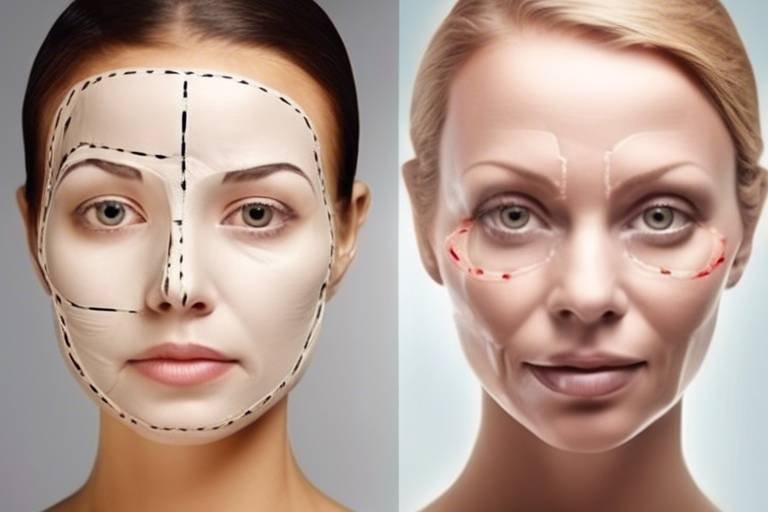
Plastic surgery has become a hot topic in modern society, igniting conversations that span beyond just the medical field. With the rise of social media and the relentless pursuit of beauty, individuals are increasingly turning to cosmetic procedures to enhance their appearance. But what does this mean for our ethical landscape? Are we merely catering to societal pressures, or are we empowering individuals to take control of their bodies? In this article, we will explore the multifaceted ethical considerations surrounding plastic surgery, including societal pressures, patient autonomy, and the responsibilities of medical professionals in this evolving field.
The increasing popularity of cosmetic surgery raises fundamental questions about societal beauty standards and the motivations behind individuals seeking these procedures. It’s not just about vanity; it’s about self-esteem, personal identity, and sometimes, survival in a world that often equates beauty with success. With procedures like rhinoplasty, liposuction, and breast augmentation becoming more commonplace, we must ask ourselves: Are these choices truly personal, or are they influenced by a culture that often promotes unrealistic beauty ideals?
Understanding these factors is crucial in addressing ethical concerns. For instance, many individuals may feel pressured to conform to certain beauty standards portrayed in media, leading them to pursue surgeries that they may not fully understand or need. This societal pressure can create a cycle where individuals feel compelled to alter their bodies to fit a mold, raising questions about the authenticity of their choices.
At the heart of medical ethics lies the principle of informed consent, which is particularly crucial in the realm of plastic surgery. Patients must be fully informed about the risks, benefits, and potential outcomes of their procedures. But how often do we consider whether patients are genuinely making informed decisions? In many cases, the desire for cosmetic enhancements can cloud judgment, leading to choices that may not be in their best interest.
Surgeons have a responsibility to ensure that their patients understand all aspects of the procedure. This includes discussing not only the physical implications but also the emotional and psychological ramifications. A well-rounded approach to informed consent should encompass a thorough discussion of the patient’s motivations, expectations, and any underlying psychological factors that may influence their decision to undergo surgery.
Evaluating a patient’s mental health and motivations is essential to ensure they are making informed decisions about surgery. Often, patients may present with a desire for change that stems from deeper psychological issues, such as body dysmorphic disorder or anxiety. Surgeons need to conduct psychological assessments prior to procedures, ensuring that the desire for surgery is rooted in a healthy mindset rather than external pressures.
This process not only safeguards the patient’s well-being but also helps to maintain the integrity of the profession. Surgeons who prioritize psychological readiness contribute to a more ethical practice, where the focus is on holistic patient care rather than merely performing a procedure for profit.
Social media plays a significant role in shaping perceptions of beauty, often setting unattainable standards that individuals feel pressured to meet. Platforms like Instagram and TikTok are flooded with images of seemingly perfect bodies, creating a culture where cosmetic enhancements are normalized and even celebrated. This phenomenon raises ethical concerns about how these platforms influence individuals’ desires for cosmetic enhancements.
With the rise of influencers promoting cosmetic surgery, it becomes imperative to question the ethical implications of such endorsements. Are these influencers providing honest representations of the procedures, or are they perpetuating a cycle of unrealistic beauty standards? The responsibility lies not only with the medical professionals performing the surgeries but also with those promoting them online.
Surgeons have a duty to prioritize patient well-being above all else. This includes evaluating a patient’s readiness and motivations for surgery, as well as ensuring that they are well-informed about the potential risks and benefits. Ethical obligations extend beyond the operating room; they encompass the entire patient experience. Surgeons must engage in open dialogues with their patients, ensuring that they are making decisions based on accurate information rather than societal pressures.
Ultimately, the role of a plastic surgeon is not just to perform a procedure but to act as a guide for patients navigating the complex landscape of body image and self-esteem. This responsibility is paramount in fostering a more ethical approach to cosmetic surgery.
The plastic surgery industry is governed by various regulations that aim to protect patients. Understanding these legal frameworks is essential for both practitioners and patients alike. Regulations often dictate the standards of care that must be upheld, ensuring that patients receive safe and effective treatments.
However, the ethical significance of these regulations cannot be overlooked. They serve as a reminder that patient safety and well-being must always come first. In an industry where the lines between aesthetic desires and medical necessity can blur, regulations play a crucial role in maintaining ethical standards.
Reconstructive surgery often presents unique ethical challenges, especially in cases involving trauma or congenital conditions. Surgeons face moral considerations that can be incredibly complex, as they must balance the need for functional restoration with aesthetic desires. This section delves into the ethical dilemmas that arise in reconstructive surgery, highlighting the importance of a thoughtful approach to patient care.
Surgeons must navigate the delicate balance between aesthetic desires and functional needs in reconstructive procedures. For instance, a patient may desire a specific look following an accident, but achieving that look may compromise the functionality of the affected area. This ethical dilemma requires surgeons to engage in candid conversations with patients about their expectations and the realities of what can be achieved.
Ultimately, the goal should be to restore both form and function in a way that respects the patient’s wishes while prioritizing their overall well-being.
Access to plastic surgery can vary greatly among different demographics, raising significant ethical implications. Disparities in access can lead to a situation where only certain groups can afford cosmetic enhancements, perpetuating cycles of inequality. This section explores the ethical implications of these disparities and the responsibility of healthcare systems to ensure equitable access to surgical procedures.
As we continue to navigate the complexities of plastic surgery, it becomes clear that ethical considerations must remain at the forefront of the conversation. By addressing societal pressures, ensuring informed consent, and promoting equitable access, we can foster a more ethical approach to this evolving field.
- What is the difference between cosmetic and reconstructive surgery? Cosmetic surgery is performed to enhance appearance, while reconstructive surgery aims to restore function and appearance after trauma or congenital issues.
- How can patients ensure they are making informed decisions about surgery? Patients should engage in thorough discussions with their surgeons, ask questions, and consider psychological evaluations to understand their motivations.
- What ethical responsibilities do surgeons have? Surgeons must prioritize patient well-being, ensure informed consent, and assess psychological readiness before performing procedures.
- How does social media impact perceptions of beauty? Social media often promotes unrealistic beauty standards, influencing individuals’ desires for cosmetic enhancements and raising ethical concerns.
The Rise of Cosmetic Surgery
The world of cosmetic surgery has seen a meteoric rise in popularity over the past few decades. What was once considered a niche market has transformed into a mainstream phenomenon, attracting individuals from all walks of life. This surge raises important questions about our societal beauty standards and the underlying motivations that drive people to seek out these procedures. Have you ever wondered why so many people are willing to go under the knife? The reasons are as varied as the procedures themselves, but they often reflect deeper societal pressures and personal aspirations.
One of the major factors contributing to the rise of cosmetic surgery is the relentless pursuit of an idealized appearance, heavily influenced by media portrayals and celebrity culture. With the advent of social media platforms, the pressure to conform to certain beauty standards has intensified. In a world where images are meticulously curated and filtered, it’s no surprise that individuals feel compelled to enhance their looks. The desire to achieve that flawless Instagram aesthetic has led many to consider cosmetic procedures as a viable option. According to recent surveys, approximately 70% of individuals aged 18-34 have expressed interest in cosmetic enhancements, showcasing the profound impact of social media on personal beauty perceptions.
Additionally, the accessibility of cosmetic surgery has improved dramatically. With advancements in technology and techniques, procedures that were once deemed invasive and risky are now marketed as safe and routine. The proliferation of clinics offering a range of services from Botox to full-body transformations has made it easier for individuals to pursue their desired look. However, this increased accessibility also raises ethical concerns about the motivations behind these choices. Are people making informed decisions, or are they succumbing to societal pressures? The line between personal choice and external influence can often become blurred.
Moreover, the rise of cosmetic surgery is not merely a trend; it represents a significant cultural shift. As beauty standards evolve, so too does the perception of cosmetic procedures. Once stigmatized, these surgeries are now often celebrated as a form of self-expression and empowerment. Many individuals view cosmetic enhancements as a way to reclaim control over their bodies and challenge traditional notions of beauty. This shift in perspective prompts a deeper exploration of the ethical implications surrounding these choices. Are we truly embracing individuality, or are we merely conforming to a new set of standards?
In conclusion, the rise of cosmetic surgery is a multifaceted issue that intertwines with societal norms, personal motivations, and ethical considerations. As we navigate this evolving landscape, it’s crucial to reflect on the implications of our choices and the messages we send about beauty and self-worth. The journey towards self-improvement should be rooted in informed decisions and a healthy understanding of one’s motivations. After all, true beauty comes from within, and no surgical procedure can replace the confidence that stems from self-acceptance.
- What are the most common cosmetic procedures? The most popular procedures include breast augmentation, liposuction, rhinoplasty, and Botox injections.
- Is cosmetic surgery safe? While many procedures are considered safe, it’s essential to consult with a qualified surgeon and understand the risks involved.
- How can I determine if I’m mentally ready for cosmetic surgery? It’s important to assess your motivations and expectations. Consulting with a mental health professional can provide valuable insights.
- What role does social media play in cosmetic surgery? Social media often shapes beauty ideals, influencing individuals’ desires for cosmetic enhancements.
Patient Autonomy and Informed Consent
When it comes to plastic surgery, patient autonomy and informed consent are not just buzzwords; they are the very foundation of ethical medical practice. In an age where patients are increasingly empowered to make their own health decisions, understanding what these terms truly mean is crucial. Patient autonomy refers to the right of individuals to make choices about their own bodies and medical treatments. Informed consent, on the other hand, is the process through which a patient learns about and understands the risks, benefits, and alternatives to a proposed procedure, allowing them to make an educated decision.
Imagine you’re standing at a crossroads, with multiple paths laid out before you. Each path represents a different surgical option, complete with its own set of risks and rewards. Without a clear map, how can you choose wisely? This is where the role of healthcare professionals becomes pivotal. They must ensure that patients are not only aware of the options available to them but also comprehend the implications of their choices. This is especially important in plastic surgery, where the motivations can be deeply personal and sometimes influenced by external factors.
Informed consent is not merely a signature on a form; it is a dialogue between the patient and the surgeon. This dialogue should cover several key areas:
- Risks: What are the potential complications or side effects of the procedure?
- Benefits: What improvements can the patient realistically expect?
- Alternatives: Are there non-surgical options available that could achieve similar results?
- Recovery: What does the post-operative care involve, and how long will it take to heal?
Moreover, it’s critical to assess whether the patient is psychologically prepared for the surgery. A psychological evaluation can help determine if the individual is seeking surgery for the right reasons or if they might be influenced by unrealistic societal expectations or personal insecurities. Surgeons often employ various assessment tools to gauge this readiness, ensuring that patients are not only physically but also mentally prepared for the journey ahead.
In an era dominated by social media, the pressures to conform to certain beauty standards can be overwhelming. Platforms like Instagram and TikTok often showcase idealized images that can distort reality, leading individuals to believe that surgical enhancement is a quick fix for deeper emotional issues. This raises ethical questions about whether patients are genuinely making autonomous choices or if they are merely responding to societal pressures. Surgeons have a responsibility to navigate these waters carefully, ensuring that their patients are making informed decisions free from undue influence.
In summary, the concepts of patient autonomy and informed consent are essential in the realm of plastic surgery. Surgeons must prioritize open communication, comprehensive education, and psychological readiness to ensure that patients are making choices that are right for them. Only then can the ethical dimensions of plastic surgery be fully respected, leading to outcomes that are satisfying and beneficial for all involved.
Q1: What is informed consent in plastic surgery?
A1: Informed consent is the process where a patient is educated about the risks, benefits, and alternatives of a surgery, allowing them to make an informed decision.
Q2: How can patients ensure they are making autonomous choices?
A2: Patients can ensure their autonomy by engaging in open discussions with their surgeons, asking questions, and considering their motivations for seeking surgery.
Q3: What role does psychological evaluation play in plastic surgery?
A3: Psychological evaluations help assess a patient’s readiness for surgery and ensure they are not making decisions based on unrealistic expectations or external pressures.
Q4: How can social media influence decisions about plastic surgery?
A4: Social media can create unrealistic beauty standards, leading individuals to seek surgery as a means to achieve those ideals, which may not align with their personal well-being.
Assessing Psychological Readiness
When it comes to plastic surgery, the decision to go under the knife is not just about physical appearance; it’s deeply intertwined with a person’s mental state. is a vital step in ensuring that patients are making informed choices about their bodies. After all, the motivations behind seeking cosmetic surgery can often be complex and multifaceted. Are they looking to boost their self-esteem, fit into societal beauty standards, or perhaps recover from a traumatic experience? Understanding these motivations is crucial for both the patient and the surgeon.
Before proceeding with any surgical intervention, it is essential for medical professionals to conduct thorough psychological evaluations. These assessments typically include interviews, standardized questionnaires, and sometimes even consultations with mental health professionals. The goal is to gauge the patient’s mental health status and ensure they are not suffering from conditions such as body dysmorphic disorder, anxiety, or depression, which could cloud their judgment. The last thing anyone wants is to make a permanent change based on temporary feelings.
Moreover, the psychological evaluation process can also help identify any unrealistic expectations the patient may have. For instance, many individuals believe that cosmetic surgery will solve all their problems, leading to a more fulfilling life. However, this is often a misconception. Surgeons must ensure that patients have a realistic understanding of the outcomes and limitations of the procedures they are considering. This is where the role of the surgeon becomes critical—not just as a technician but as a guide who helps the patient navigate their emotional landscape.
To give you an idea of what a psychological assessment might look like, here’s a simplified table outlining some common components:
| Assessment Component | Description |
|---|---|
| Clinical Interview | A one-on-one discussion that explores the patient’s motivations, expectations, and mental health history. |
| Standardized Questionnaires | Tools like the Body Dysmorphic Disorder Questionnaire (BDDQ) to evaluate the patient’s perception of their body image. |
| Referral to Mental Health Professional | In cases where psychological issues are identified, a referral for further evaluation or therapy may be necessary. |
It’s also important to consider the impact of social media on psychological readiness. In our digital age, platforms like Instagram and TikTok can create unrealistic beauty standards that influence individuals’ perceptions of themselves. The constant exposure to edited images can lead to comparison culture, where the desire for surgical enhancement is driven more by external pressures than by personal needs. This phenomenon raises ethical questions about the responsibility of both the media and the medical community in addressing these influences.
Ultimately, the assessment of psychological readiness is not just a procedural formality; it is a critical component of ethical plastic surgery practice. Surgeons have a duty to ensure that their patients are mentally prepared for the journey ahead. By taking the time to evaluate psychological readiness, both patients and surgeons can work together to achieve outcomes that are not only aesthetically pleasing but also mentally satisfying.
- What is psychological readiness in the context of plastic surgery?
It refers to a patient’s mental and emotional preparedness to undergo surgery, ensuring they have realistic expectations and healthy motivations. - How is psychological readiness assessed?
Through clinical interviews, standardized questionnaires, and sometimes referrals to mental health professionals. - Why is psychological evaluation important?
It helps identify any underlying mental health issues and ensures that patients are making informed decisions about their bodies. - Can social media influence my decision to get plastic surgery?
Yes, social media can create unrealistic beauty standards and pressures that may affect your motivations for seeking surgery.
Impact of Social Media
In today’s digital age, the influence of social media on our perceptions of beauty and self-image cannot be overstated. Platforms like Instagram, TikTok, and Snapchat have become the go-to spaces for sharing aesthetic ideals, often showcasing highly curated images that can distort reality. This phenomenon raises a crucial question: Are we shaping our identities based on authentic self-expression, or are we merely conforming to an ever-evolving set of beauty standards dictated by influencers and celebrities?
Many individuals seeking plastic surgery often cite social media as a significant factor in their decision-making process. The constant exposure to filtered images and ‘perfect’ bodies can create an overwhelming desire to attain similar looks. This desire is not just a fleeting thought; it can lead to a deep-seated belief that one’s worth is tied to their physical appearance. This is where the ethical implications become pronounced. Surgeons must grapple with the reality that their patients may be influenced more by online trends than by their own personal desires or needs.
Moreover, the impact of social media extends beyond just personal motivation; it also plays a role in shaping societal norms. The pressure to conform to idealized standards can lead to a range of psychological issues, including anxiety, depression, and body dysmorphic disorder. As a result, surgeons are faced with the ethical dilemma of whether to proceed with procedures for patients who may be struggling with these mental health issues, further complicating the decision-making process.
To better understand the pervasive influence of social media, consider the following:
- Viral Trends: Certain procedures, like lip fillers or rhinoplasties, can gain sudden popularity through viral posts, leading to a surge in demand.
- Influencer Endorsements: Many influencers openly discuss their cosmetic procedures, normalizing them and encouraging their followers to consider similar enhancements.
- Comparison Culture: Users often compare themselves to the seemingly flawless images they see online, which can diminish self-esteem and prompt surgical interventions.
In light of these factors, the role of plastic surgeons becomes even more critical. They must not only assess the physical readiness of their patients but also consider the psychological implications of social media’s influence. This responsibility requires a delicate balance of empathy, ethics, and professional judgment. Surgeons should engage in thorough consultations that address not just the desired outcomes but also the underlying motivations shaped by social media.
Ultimately, the impact of social media on plastic surgery is a double-edged sword. While it can empower individuals to embrace their desires for self-improvement, it can also lead to unrealistic expectations and ethical quandaries. As we navigate this complex landscape, it is essential for both patients and medical professionals to foster open dialogues about the motivations behind cosmetic enhancements and the potential consequences of such decisions.
- How does social media influence the decision to undergo plastic surgery?
Social media often presents an idealized version of beauty, leading individuals to feel pressured to conform to these standards. - What ethical considerations should surgeons keep in mind when patients are influenced by social media?
Surgeons need to evaluate the psychological readiness of patients and ensure they are making informed decisions based on their own desires, not just external pressures. - Can social media have positive effects on body image?
Yes, social media can also foster communities that promote body positivity and self-acceptance, encouraging individuals to embrace their unique features.
Surgeon Responsibilities
When it comes to plastic surgery, the role of the surgeon extends far beyond just wielding a scalpel. It’s a multifaceted responsibility that intertwines medical expertise with ethical considerations. Surgeons are not merely technicians; they are entrusted with the profound duty of safeguarding their patients’ well-being. This responsibility manifests in several key areas:
- Patient Evaluation: Before any procedure, surgeons must conduct thorough evaluations to assess whether a patient is a suitable candidate for surgery. This includes understanding the patient’s medical history, current health status, and psychological readiness. Surgeons need to ask themselves: Is this patient truly prepared for the transformation they seek?
- Informed Consent: A fundamental aspect of medical ethics, informed consent requires surgeons to ensure that patients are fully aware of the risks, benefits, and potential complications associated with the procedure. It’s not just about signing a form; it’s about fostering a genuine understanding of what the surgery entails.
- Setting Realistic Expectations: One of the most challenging aspects of a surgeon’s role is managing patient expectations. Surgeons must communicate clearly and honestly about what results can realistically be achieved. This means having candid conversations about the limitations of cosmetic procedures and the importance of accepting one’s body.
- Post-Operative Care: The responsibility doesn’t end once the surgery is complete. Surgeons must provide comprehensive post-operative care, monitoring recovery and addressing any complications that may arise. They should be a reliable source of support, guiding patients through the healing process.
Moreover, surgeons must also be aware of the broader societal implications of their work. They are part of an industry that often perpetuates certain beauty standards, and with that comes the ethical obligation to reflect on how their practices contribute to these ideals. Are they promoting a healthy body image, or are they reinforcing harmful stereotypes? This question is crucial in today’s society, where the influence of social media can amplify unrealistic beauty standards.
In addition to these responsibilities, surgeons must engage in continuous education and training to stay updated with the latest advancements in plastic surgery techniques and ethical practices. The field is constantly evolving, and a commitment to lifelong learning is essential for providing the best care possible. Surgeons should also advocate for their patients, ensuring they have access to the resources and support they need, both during and after their journey through plastic surgery.
Ultimately, the responsibilities of a plastic surgeon are profound and far-reaching. They not only shape the physical appearance of their patients but also play a crucial role in their emotional and psychological well-being. It is a delicate balance that requires not only skill and precision but also empathy and ethical integrity.
- What qualifications should a plastic surgeon have? Look for board certification, extensive training, and a strong track record in the specific procedures you are considering.
- How can I ensure I am making the right decision about surgery? It’s essential to have open discussions with your surgeon, ask questions, and consider seeking a second opinion if needed.
- What should I expect during the recovery process? Recovery can vary greatly depending on the procedure, but your surgeon should provide you with a detailed plan and follow-up care.
- Are there risks associated with plastic surgery? Yes, like any surgery, there are risks involved, including complications from anesthesia, infection, and dissatisfaction with results.
Regulatory and Legal Considerations
The world of plastic surgery is not just a realm of beauty and transformation; it is also heavily intertwined with regulatory frameworks and legal considerations that aim to protect patients and ensure ethical practices. As the demand for cosmetic procedures continues to surge, so does the necessity for robust regulations that govern how these surgeries are performed. Understanding these regulations is essential for both patients and practitioners alike.
In many countries, plastic surgery is regulated by medical boards and health authorities that set specific standards for practice. These regulations often include licensing requirements, guidelines for advertising, and protocols for patient safety. For instance, in the United States, the American Board of Plastic Surgery (ABPS) ensures that surgeons are certified and meet high standards of education and training. This certification is not just a badge of honor; it is a crucial legal safeguard for patients looking to undergo surgery.
Moreover, informed consent is an integral part of the regulatory landscape. Patients must be fully aware of the risks, benefits, and potential complications associated with their chosen procedures. This is not merely a formality; it is a legal requirement that protects both the patient and the surgeon. Surgeons should provide comprehensive information, often documented through consent forms, which outline everything from surgical techniques to recovery expectations. Failure to obtain proper informed consent can lead to legal repercussions, including malpractice lawsuits.
Another significant aspect of regulatory considerations involves the ethical marketing of plastic surgery services. With the rise of social media and online advertising, the potential for misleading information has increased. Regulatory bodies have begun to scrutinize how surgeons promote their services, ensuring that claims are not exaggerated and that patients are not misled. For example, the Federal Trade Commission (FTC) in the U.S. has guidelines that prohibit false advertising, which is particularly relevant in the context of cosmetic procedures.
As we dive deeper into the legal considerations, it’s important to highlight the role of malpractice insurance. Surgeons must carry adequate insurance to protect themselves against potential legal claims. This not only safeguards the surgeon’s practice but also provides a measure of security for patients. If something goes wrong, having malpractice insurance can help ensure that patients receive compensation for any damages incurred due to negligence.
Finally, the issue of accessibility cannot be overlooked. Regulatory frameworks often aim to address disparities in access to plastic surgery across different demographics. This raises ethical questions about who gets to benefit from these procedures and who is left out. As healthcare systems evolve, there is a growing responsibility for policymakers to ensure that all individuals, regardless of their socioeconomic status, have fair access to necessary surgical interventions.
In summary, the regulatory and legal considerations surrounding plastic surgery are complex and multifaceted. They encompass everything from ensuring informed consent to adhering to advertising standards, making it crucial for both patients and practitioners to stay informed. As the industry continues to evolve, ongoing dialogue about these regulations will be essential in fostering a safe and ethical environment for cosmetic and reconstructive surgery.
- What are the main regulatory bodies overseeing plastic surgery?
The American Board of Plastic Surgery (ABPS) and various state medical boards are key regulators in the U.S. They set standards for training, certification, and practice. - What is informed consent?
Informed consent is a legal and ethical requirement where patients must be fully informed about the risks and benefits of a procedure before agreeing to undergo surgery. - How does advertising for plastic surgery work?
Advertising for plastic surgery must adhere to guidelines that prohibit misleading claims. Surgeons should provide accurate information about their services. - What happens if a surgeon fails to obtain informed consent?
Failure to obtain informed consent can lead to legal consequences, including malpractice lawsuits against the surgeon. - Are there disparities in access to plastic surgery?
Yes, access to plastic surgery can vary significantly based on factors like socioeconomic status, which raises ethical concerns about equity in healthcare.
Ethical Dilemmas in Reconstructive Surgery
Reconstructive surgery is often seen as a beacon of hope for those who have suffered trauma or were born with congenital conditions. However, it is not without its ethical dilemmas. Surgeons frequently find themselves at a crossroads, balancing the need for aesthetic improvement with the fundamental requirement for functionality. This delicate interplay raises a multitude of moral questions that deserve thoughtful consideration.
One of the most pressing issues in reconstructive surgery is the patient’s quality of life. For instance, a patient who has suffered severe facial trauma may seek surgery not only to restore their appearance but also to regain their sense of identity and confidence. However, what happens when the desired aesthetic outcomes conflict with the medical realities of their condition? Surgeons must navigate these waters carefully, often relying on their own ethical compass to guide them. The decision-making process can become even more complicated when factoring in the patient’s expectations versus the achievable outcomes.
Moreover, the concept of access and equity in reconstructive surgery cannot be overlooked. Not all patients have the same access to surgical interventions, which can lead to disparities based on socioeconomic status or geographical location. This raises ethical questions about who gets to benefit from reconstructive procedures. Should surgeons prioritize patients based on the severity of their condition, or should they strive to ensure that everyone has equal access to these life-changing surgeries? The healthcare system plays a crucial role in this dilemma, and surgeons often find themselves advocating for fairer policies while trying to serve their patients’ best interests.
Additionally, the emotional and psychological aspects of reconstructive surgery add another layer of complexity. Surgeons must assess not only the physical needs of their patients but also their mental readiness for surgery. Patients may come with unrealistic expectations, fueled by societal pressures or media portrayals of beauty, which can lead to disappointment and emotional distress if the outcomes do not meet their hopes. This is particularly true for patients undergoing surgery after trauma, where the psychological scars can be just as significant as the physical ones. Surgeons have an ethical obligation to ensure that patients are making informed decisions and are mentally prepared for the journey ahead.
In light of these dilemmas, it becomes essential for plastic surgeons to engage in open communication with their patients. A collaborative approach can help ensure that patients understand the risks, benefits, and limitations of the procedures they are considering. By fostering a trusting relationship, surgeons can better navigate the ethical landscape and advocate for their patients’ best interests.
Ultimately, the ethical dilemmas in reconstructive surgery are not merely theoretical; they have real-world implications that affect patients’ lives. As the field continues to evolve, it is imperative for surgeons to stay informed about the ethical standards and practices that govern their work. By doing so, they can contribute to a more equitable and compassionate healthcare system.
- What are the main ethical concerns in reconstructive surgery?
Ethical concerns include balancing aesthetic desires with functional needs, ensuring equitable access to surgical procedures, and assessing patients’ mental readiness for surgery. - How can surgeons address disparities in access to reconstructive surgery?
Surgeons can advocate for fair policies, work with healthcare systems to improve access, and prioritize care based on medical necessity. - What role does patient education play in reconstructive surgery?
Patient education is crucial for helping individuals understand the risks, benefits, and limitations of procedures, ensuring informed decision-making.
Balancing Aesthetics and Functionality
When it comes to plastic surgery, the debate between aesthetics and functionality is like walking a tightrope. On one side, we have the desire to achieve a certain look, often fueled by societal standards and personal aspirations. On the other, we have the essential need for the body to function optimally. This delicate balance is particularly crucial in reconstructive surgery, where the stakes are high, and the outcomes can significantly impact a patient’s quality of life.
Imagine a patient who has suffered a traumatic injury. They might come to a surgeon with the hope of restoring their appearance to what it once was. However, the surgeon’s responsibility extends beyond mere aesthetics. They must consider how the surgical intervention will affect the patient’s functionality. For instance, a facial reconstruction might not only aim to restore a person’s looks but also their ability to speak, eat, and even breathe properly. In this case, prioritizing aesthetics over functionality could lead to a less than satisfactory outcome.
To navigate this complex landscape, surgeons often have to engage in thorough discussions with their patients. They need to ask critical questions such as:
- What are your primary goals for this surgery?
- How do you envision your life post-surgery?
- Are there any functional limitations you currently experience that need addressing?
These conversations are vital because they help ensure that patients are not just chasing an idealized version of beauty but are also considering how the surgery will impact their daily lives. Furthermore, surgeons must conduct a detailed assessment to evaluate whether the desired aesthetic enhancements will compromise the overall functionality of the area being treated.
Moreover, the ethical implications of this balancing act can be profound. If a surgeon chooses to prioritize aesthetic results over functionality, they may not only be risking the patient’s health but also their trust in the medical profession. This is why many plastic surgeons adhere to a set of ethical guidelines that emphasize patient well-being above all else. They are trained to approach each case with a holistic perspective, weighing the benefits and risks while keeping the patient’s best interests at heart.
In conclusion, the intersection of aesthetics and functionality in plastic surgery is a complex and nuanced issue. It requires careful consideration, open communication, and a commitment to ethical practices. By prioritizing both aspects, surgeons can help patients achieve their desired outcomes while ensuring that their health and functionality remain intact.
- What is the primary focus of reconstructive surgery? Reconstructive surgery primarily aims to restore functionality and appearance following trauma, congenital conditions, or medical issues.
- How do surgeons ensure a balance between aesthetics and functionality? Surgeons conduct thorough assessments and engage in detailed discussions with patients to understand their goals and needs.
- Are there ethical guidelines for plastic surgeons? Yes, many plastic surgeons follow ethical guidelines that prioritize patient well-being and informed consent.
Access and Equity in Surgery
Access to plastic surgery is a complex issue that intertwines with social, economic, and geographical factors. While the allure of cosmetic enhancements is widespread, the reality is that not everyone has equal access to these procedures. This disparity raises significant ethical questions about equity in healthcare. For instance, individuals from affluent backgrounds may easily afford the latest cosmetic procedures, while those from lower-income brackets may find these options prohibitively expensive. Furthermore, geographic location plays a crucial role; urban areas typically have more specialized clinics and surgeons compared to rural regions, where options may be limited or even non-existent.
The implications of these disparities are profound. When considering plastic surgery, one must ask: Is beauty a privilege reserved for the wealthy? This question speaks volumes about the societal values we uphold. The concept of beauty has become so intertwined with self-worth that the inability to access surgical enhancements can lead to feelings of inadequacy and exclusion. It’s like being locked out of a party where everyone else is flaunting their “new look.” This not only affects individuals but also perpetuates societal norms that equate beauty with success and happiness.
Moreover, inequities in access can lead to a cycle of dissatisfaction and desperation. Individuals who cannot afford cosmetic surgery might resort to unsafe practices, such as unregulated procedures or DIY methods, which can result in severe health risks. This raises ethical concerns about the responsibility of the healthcare system to ensure that all individuals have safe and equitable access to surgical options.
To illustrate the disparities in access, consider the following table that highlights the differences in availability and costs of cosmetic surgery across various demographics:
| Demographic | Average Cost of Common Procedures | Access Level (Urban vs. Rural) |
|---|---|---|
| Affluent Urban | $10,000 – $15,000 | High |
| Middle-Class Suburban | $7,000 – $12,000 | Moderate |
| Low-Income Rural | $5,000 – $10,000 | Low |
As we navigate through these issues, it’s essential to consider what can be done to improve access and equity in plastic surgery. Healthcare systems and policymakers must work together to create more inclusive policies that address these disparities. Initiatives could include:
- Offering financial assistance programs for low-income patients.
- Increasing the number of clinics in underserved areas.
- Providing education and resources about safe surgical options.
In conclusion, the conversation surrounding access and equity in plastic surgery is not just about aesthetics; it’s about human dignity and the right to feel good about oneself. As society evolves, so must our approach to beauty and the resources available to achieve it. It’s crucial that we advocate for a system where everyone, regardless of their background, has the opportunity to pursue their desired enhancements safely and ethically.
Q: What factors contribute to disparities in access to plastic surgery?
A: Disparities arise from a combination of socioeconomic status, geographic location, and availability of healthcare resources. Wealthier individuals often have more access to specialized clinics, while those from lower-income backgrounds may struggle to afford procedures.
Q: Are there safe alternatives for those who cannot afford traditional plastic surgery?
A: Yes, there are non-surgical options and less invasive procedures that can be more affordable. It’s important to consult with a qualified healthcare provider to discuss safe options tailored to individual needs.
Q: How can healthcare systems improve equity in access to plastic surgery?
A: Healthcare systems can improve equity by implementing financial assistance programs, increasing clinic availability in underserved areas, and providing education about safe surgical options.
Frequently Asked Questions
- What factors contribute to the rise of cosmetic surgery?
The increasing popularity of cosmetic surgery can be attributed to various factors, including societal beauty standards, the influence of social media, and the desire for self-improvement. Many individuals feel pressure to conform to idealized images portrayed online, leading them to seek surgical enhancements to boost their confidence and self-esteem.
- How important is informed consent in plastic surgery?
Informed consent is crucial in plastic surgery as it ensures that patients fully understand the risks, benefits, and potential outcomes of the procedure. Surgeons have an ethical obligation to provide comprehensive information, allowing patients to make educated decisions about their bodies and health.
- What role does psychological assessment play in cosmetic surgery?
Psychological assessments are vital in determining a patient’s readiness for cosmetic surgery. Evaluating mental health and motivations helps ensure that individuals are making informed choices based on realistic expectations rather than external pressures or insecurities.
- How does social media influence perceptions of beauty?
Social media significantly shapes societal views on beauty by promoting specific ideals and trends. Platforms often showcase filtered images and unrealistic standards, which can lead individuals to pursue cosmetic procedures in hopes of achieving similar appearances, raising ethical concerns about authenticity and self-worth.
- What are the ethical responsibilities of plastic surgeons?
Plastic surgeons have a profound responsibility to prioritize patient well-being. This includes thoroughly evaluating a patient’s motivations, ensuring they are psychologically prepared, and being transparent about the potential risks and outcomes of surgery. Their ethical duty extends beyond the operating room to fostering a supportive environment for patients.
- What are the legal considerations in the plastic surgery industry?
The plastic surgery industry is governed by various regulations designed to protect patients. These legal frameworks ensure that practitioners adhere to established standards of care, maintain patient safety, and provide appropriate information regarding procedures, thereby upholding ethical practices in the field.
- What ethical dilemmas arise in reconstructive surgery?
Reconstructive surgery often presents unique ethical challenges, particularly when addressing trauma or congenital conditions. Surgeons must balance aesthetic desires with functional needs, making decisions that can significantly impact a patient’s quality of life while adhering to ethical standards of care.
- How does access to plastic surgery vary among different demographics?
Access to plastic surgery can differ significantly across various demographics due to factors such as socioeconomic status, geographic location, and healthcare availability. This disparity raises ethical concerns regarding equity in healthcare and the responsibility of medical systems to ensure fair access to surgical options for all individuals.
Ethics, Body Image, Consent, Standards of Care, Psychological Impact, Social Perception, Cultural Norms, Medical Responsibility, , Ethics, Body Image, Consent, Standards of Care, Psychological Impact, Social Perception, Cultural Norms, Medical Responsibility,
Share this content:
Leave a Reply