
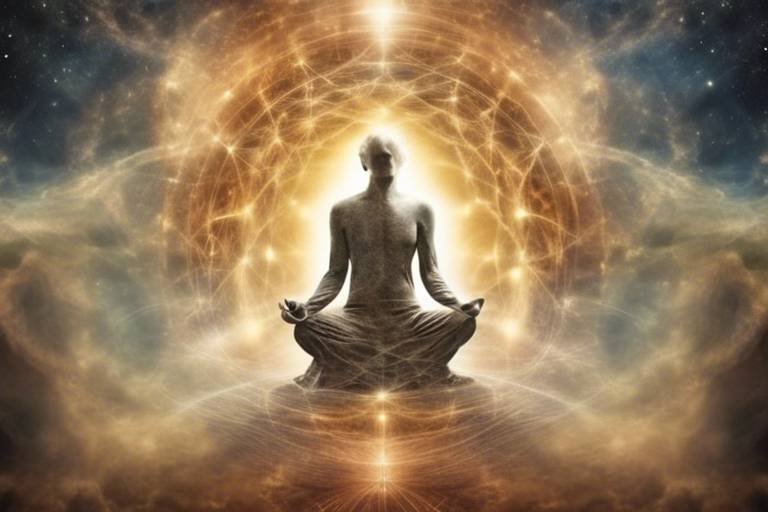
Metaphysics, often described as the branch of philosophy that delves into the fundamental nature of reality, plays a crucial role in our understanding of the spiritual realm. It invites us to question everything we know about existence, consciousness, and the universe. Imagine standing at the edge of a vast ocean, where the physical world meets the infinite possibilities of the spiritual. This is where metaphysics comes into play, guiding us through the waves of thought and belief, helping us navigate the depths of our own existence.
At its core, metaphysics challenges us to look beyond the surface of reality. It encourages us to ponder questions like: What is the nature of being? What lies beyond our physical senses? These inquiries are not merely academic; they resonate deeply with our spiritual journeys. As we explore metaphysical concepts, we begin to uncover a tapestry woven from various threads of existence, consciousness, and spirituality. Each thread represents a different perspective, a unique interpretation of the universe and our place within it.
The relationship between metaphysics and spirituality is not just a philosophical exercise; it is a pathway to deeper understanding and personal growth. By engaging with metaphysical ideas, we can enhance our spiritual practices, whether through meditation, visualization, or other techniques. These practices become tools for exploration, allowing us to tap into the unseen forces that shape our lives and experiences.
As we delve deeper into this intricate relationship, we discover that metaphysics offers a lens through which we can view our spiritual aspirations. It provides a framework for understanding the interconnectedness of all beings, the energy that flows between us, and the consciousness that binds us to the universe. This perspective is not only enlightening but also liberating, as it empowers us to embrace our spiritual potential and seek a greater purpose in life.
Ultimately, metaphysics acts as a bridge between the known and the unknown, the tangible and the intangible. It invites us to embark on a journey of exploration, one that is rich with questions and possibilities. As we navigate this journey, we may find that the answers we seek are not as important as the questions themselves. In this way, metaphysics unfolds the spiritual realm, revealing the mysteries that lie just beyond our perception.
- What is metaphysics?
Metaphysics is a branch of philosophy that studies the fundamental nature of reality, including concepts such as being, existence, and the universe.
- How does metaphysics relate to spirituality?
Metaphysics provides a framework for understanding spiritual concepts, helping individuals explore their existence and consciousness.
- Can metaphysical practices enhance spiritual growth?
Yes, practices such as meditation and visualization, grounded in metaphysical principles, can foster greater self-awareness and spiritual insights.
- Are metaphysical concepts universal across cultures?
While many cultures have their unique interpretations of metaphysical ideas, common themes often emerge, influencing spiritual beliefs and practices.
The Foundations of Metaphysics
Metaphysics, often regarded as one of the most profound branches of philosophy, dives deep into the essence of reality itself. It seeks to answer questions that go beyond the physical realm, pondering what it means to exist and what constitutes the universe. Imagine standing at the edge of a vast ocean, peering into the depths, knowing that there is so much more beneath the surface than what meets the eye. This is the essence of metaphysical inquiry—it pushes us to explore the unseen and the unknown.
The term “metaphysics” originates from the Greek words “meta,” meaning “beyond,” and “physika,” which relates to the physical. Historically, metaphysics has evolved significantly, with roots tracing back to ancient philosophers like Aristotle, who categorized it as the study of being and existence. Over time, metaphysics has branched into various sub-disciplines, each seeking to unravel the complexities of reality. Some of the key areas include:
- Ontology: The study of being and existence.
- Cosmology: Exploration of the universe’s origins and structure.
- Epistemology: Understanding the nature and scope of knowledge.
- Metaphysical Realism: The belief that a reality exists independent of our perceptions.
These principles not only lay the groundwork for philosophical thought but also serve as a bridge to spirituality. They compel us to reflect on our place in the cosmos and our relationship with the universe. For instance, ontology, the study of what it means to exist, directly correlates with spiritual beliefs about the nature of the soul and consciousness. When we ponder questions like “What am I?” or “What is the purpose of life?” we are engaging in a metaphysical exploration that can lead to profound spiritual insights.
Moreover, metaphysics has a significant historical significance in shaping human thought. The ancient Greeks initiated a dialogue about existence that has continued through the ages, influencing countless philosophers, theologians, and scientists. Thinkers such as Descartes, Kant, and Hegel expanded on metaphysical concepts, each adding their unique perspectives and interpretations. This ongoing discourse highlights the dynamic nature of metaphysics, adapting to cultural shifts and new discoveries while remaining a central pillar of philosophical inquiry.
In contemporary times, metaphysics continues to play a crucial role in various fields, including science, psychology, and spirituality. The questions it raises about reality and existence are not merely academic; they resonate with our everyday lives. When we face challenges or seek meaning, we often find ourselves grappling with metaphysical concepts, whether we realize it or not. This interplay between metaphysics and spirituality invites us to explore deeper dimensions of our existence, urging us to seek answers that lie beyond the tangible world.
In conclusion, the foundations of metaphysics serve as a vital framework for understanding not just the nature of reality, but also our place within it. By engaging with these fundamental principles, we embark on a journey that transcends the physical, inviting us to explore the spiritual dimensions of our lives. As we delve into the intricate relationship between metaphysics and spirituality, we uncover layers of meaning that enrich our understanding of existence itself.
- What is metaphysics? Metaphysics is a branch of philosophy that explores the fundamental nature of reality, existence, and the universe beyond the physical.
- How does metaphysics relate to spirituality? Metaphysics provides a framework for understanding spiritual concepts, helping to illuminate questions about existence, consciousness, and the nature of the soul.
- Why is metaphysics important? It encourages us to explore deeper meanings and truths about our existence, influencing various fields such as philosophy, science, and spirituality.
The Intersection of Metaphysics and Spirituality
When we think about the relationship between metaphysics and spirituality, it’s like trying to unravel a beautifully woven tapestry. Each thread represents a different belief, theory, or experience that contributes to our understanding of existence. At its core, metaphysics delves into the fundamental nature of reality, exploring questions about what it means to exist and the essence of being. On the other hand, spirituality often seeks to connect us with something greater than ourselves, whether that be the universe, a higher power, or the collective consciousness of humanity.
Imagine standing at the edge of a vast ocean, with metaphysics being the waves that crash against the shore, and spirituality being the deep, mysterious waters beneath. Both are essential for a complete understanding of the human experience. Metaphysical theories provide a framework that can help us navigate our spiritual journeys, offering insights into the nature of consciousness, the universe, and our place within it. For instance, consider the metaphysical concept of interconnectedness—the idea that all beings and elements in the universe are linked. This principle resonates deeply with many spiritual teachings, which emphasize the unity of all life and encourage practices that foster compassion and empathy.
Furthermore, metaphysics invites us to ponder profound questions that often arise in spiritual contexts. Questions like: What is the nature of reality?, Do we have a purpose?, and What happens after we die? These inquiries not only fuel philosophical debates but also inspire spiritual exploration. They push us to seek answers within ourselves and the world around us, leading to transformative experiences that can deepen our understanding of both realms.
Moreover, the intersection of metaphysics and spirituality is not limited to Western traditions. Many cultures around the world have their own interpretations of metaphysical concepts that shape their spiritual beliefs. For example, in Eastern philosophies like Buddhism and Hinduism, the idea of non-duality reflects a metaphysical perspective that encourages practitioners to transcend the illusion of separation and recognize their inherent unity with all that exists. This understanding can lead to profound spiritual awakenings, as individuals begin to realize that they are not merely isolated beings, but integral parts of a larger cosmic tapestry.
As we explore this intersection further, we can see how metaphysical practices—such as meditation, visualization, and energy work—serve as bridges between these two realms. They provide practical tools to help individuals tap into their spiritual potential while grounding their experiences in metaphysical principles. For instance, meditation can facilitate a deeper connection to the self and the universe, allowing practitioners to experience moments of clarity and insight that transcend ordinary perception.
In summary, the relationship between metaphysics and spirituality is a dynamic and enriching one. As we continue to explore these concepts, we not only gain a deeper understanding of the nature of reality but also enhance our spiritual journeys. By embracing the interplay between these two fields, we can cultivate a more profound sense of meaning and connection in our lives.
- What is metaphysics? Metaphysics is a branch of philosophy that examines the fundamental nature of reality, including concepts such as being, existence, and the universe.
- How does metaphysics relate to spirituality? Metaphysics provides a framework for understanding spiritual beliefs and experiences, often addressing questions about existence and consciousness.
- Can metaphysical practices enhance spiritual growth? Yes, practices like meditation and visualization can deepen spiritual insights and promote personal transformation.
- Are there metaphysical concepts in different cultures? Absolutely! Various cultures interpret metaphysical ideas in unique ways, influencing their spiritual practices and worldviews.
Key Metaphysical Concepts
When we dive into the ocean of metaphysics, we encounter a treasure trove of concepts that challenge our understanding of existence. These concepts are not just abstract ideas; they are the lenses through which we can view and interpret our spiritual experiences. Let’s explore some of the most pivotal metaphysical concepts that illuminate our spiritual journeys.
First and foremost, we have the concept of being. This idea goes beyond mere existence; it delves into the essence of what it means to be. Think of it as the foundation of a house. Without a solid foundation, the structure cannot stand. In spiritual terms, understanding our own being allows us to connect deeply with ourselves and the universe. It raises questions like: What does it mean to truly exist? Are we merely physical beings, or is there a deeper essence that defines us?
Next up is existence. This concept often leads us to ponder the nature of reality itself. Are we living in a world that is entirely physical, or is there an unseen realm that influences our lives? Here, metaphysics invites us to consider the possibility that our reality is layered, much like a cake with different tiers. Each layer represents a different aspect of existence, from the tangible to the ethereal. This layered understanding can enrich our spiritual practices, as it encourages us to look beyond the surface of our daily experiences.
Then we have the concept of reality. This is where things get particularly fascinating. Reality is not just what we can see and touch; it encompasses everything that is, was, and could be. It’s like an intricate tapestry woven from the threads of our thoughts, beliefs, and experiences. In spiritual contexts, recognizing the multifaceted nature of reality can lead to profound insights. For instance, many spiritual traditions teach that our thoughts and emotions shape our reality, suggesting that by changing our inner world, we can alter our external circumstances.
To further illustrate these concepts, let’s take a look at the table below, which summarizes how these key metaphysical ideas relate to spiritual understanding:
| Metaphysical Concept | Spiritual Implication |
|---|---|
| Being | Understanding our essence fosters self-connection and awareness. |
| Existence | Exploring the layers of existence enhances our perception of reality. |
| Reality | Recognizing the role of thoughts in shaping reality empowers personal transformation. |
These metaphysical concepts are not just philosophical musings; they have practical implications for our spiritual lives. By grappling with the nature of being, existence, and reality, we can cultivate a deeper understanding of ourselves and our place in the universe. This journey is akin to peeling an onion; each layer we uncover reveals more about our spiritual essence and the interconnectedness of all things.
In essence, metaphysics serves as a bridge connecting the tangible world we inhabit with the spiritual realms we seek to understand. As we explore these key concepts, we open ourselves to new possibilities and insights, enhancing our spiritual growth and enriching our lives.
- What is metaphysics? Metaphysics is a branch of philosophy that explores the fundamental nature of reality, existence, and the universe beyond the physical.
- How do metaphysical concepts relate to spirituality? Metaphysical concepts provide a framework for understanding spiritual experiences and the nature of existence, helping individuals connect with their deeper selves.
- Can understanding metaphysics enhance my spiritual practice? Yes, exploring metaphysical ideas can deepen your insights and enrich your spiritual practices, leading to personal transformation and awareness.
Ontology and Its Spiritual Implications
Ontology, at its core, is the philosophical study of being and existence. It asks profound questions such as: What does it mean to exist? What is the nature of reality? These questions aren’t just academic; they resonate deeply within the spiritual realm, influencing our understanding of ourselves and our place in the universe. By exploring ontology, we embark on a journey that can lead to significant spiritual insights, helping us to comprehend the essence of life itself.
When we delve into ontology, we begin to unravel the layers of our existence. Think of it as peeling an onion—each layer represents a different aspect of being. For instance, we might start with the physical layer, the tangible world that we can see and touch. Yet, as we peel back these layers, we encounter the emotional, mental, and spiritual dimensions of our existence. Each layer is interconnected, and understanding one can illuminate the others. This interconnectedness is crucial for spiritual growth, as it encourages us to look beyond the surface and recognize the deeper truths that bind us all.
Moreover, ontology invites us to consider the implications of our existence. Are we merely products of chance, or is there a greater purpose behind our being? This inquiry can lead to a transformative realization: that our lives hold intrinsic meaning and that we are part of a larger cosmic tapestry. This perspective can be empowering, as it encourages us to seek out our unique purpose and to engage with the world around us in a more meaningful way.
In spiritual practices, understanding ontology can enhance our experiences. For instance, when we meditate, we often seek to transcend our physical selves and connect with a higher consciousness. By contemplating our existence and the nature of being, we can deepen our meditative practices, allowing us to tap into profound spiritual insights. This not only enriches our personal journey but also fosters a greater sense of connection with others and the universe.
To illustrate the relationship between ontology and spirituality, consider the following table:
| Ontology Concept | Spiritual Implication |
|---|---|
| Existence | Understanding our place in the universe |
| Being | Recognizing the interconnectedness of all life |
| Reality | Exploring the nature of truth and perception |
In summary, ontology is not just an abstract philosophical concept; it has profound spiritual implications that can guide us on our quest for meaning. By engaging with these ontological questions, we can deepen our understanding of ourselves and the universe, enhancing our spiritual practices and ultimately leading to a more fulfilling life. So, the next time you find yourself pondering the nature of existence, remember that you are not just asking questions; you are embarking on a transformative journey that can illuminate your spiritual path.
- What is ontology? – Ontology is the branch of philosophy concerned with the nature of being, existence, and reality.
- How does ontology relate to spirituality? – Ontology helps us explore fundamental questions about existence, which can deepen our spiritual understanding and practices.
- Can understanding ontology enhance my meditation practice? – Yes, contemplating ontological questions can lead to deeper insights during meditation and foster a greater sense of connection.
- Why is it important to consider the implications of our existence? – Understanding the implications of our existence can empower us to seek meaning and purpose in our lives.
Epistemology in Spiritual Contexts
Epistemology, the branch of philosophy that deals with the nature, scope, and limits of knowledge, plays a crucial role in spiritual contexts. It poses fundamental questions about how we know what we know and the validity of our beliefs. In the spiritual realm, this becomes particularly fascinating, as it challenges us to consider not just the physical evidence of our experiences but also the profound insights that arise from intuition, revelation, and personal experience.
Imagine standing at the edge of a vast ocean, staring into the depths. You can see the surface, but what lies beneath is often obscured, much like our understanding of spiritual truths. Epistemology invites us to dive deeper, to explore the underlying currents of knowledge that inform our spiritual beliefs. It encourages us to ask questions like: What is the source of our spiritual insights? Are they derived from empirical evidence, or do they come from a deeper, more intuitive understanding of the universe?
In spiritual contexts, knowledge can be categorized into different types, each contributing to our overall understanding:
- Empirical Knowledge: This is knowledge gained through direct experience or observation. In spirituality, it could be the insights gained from personal meditation or spiritual practices.
- Intuitive Knowledge: This type of knowledge arises from a deep-seated understanding that may not be easily articulated. It often manifests as gut feelings or sudden realizations during spiritual practices.
- Revelatory Knowledge: Many spiritual traditions speak of revelations or insights that come from a higher power or universal consciousness. This form of knowledge transcends ordinary understanding and can profoundly alter one’s worldview.
Understanding these different types of knowledge can significantly impact how we engage with our spirituality. For instance, someone who relies heavily on empirical knowledge may approach spiritual practices with skepticism, seeking tangible evidence of their effectiveness. On the other hand, a person who embraces intuitive knowledge might find themselves more open to experiences that defy logical explanation, trusting their inner guidance.
Moreover, epistemology in spiritual contexts raises questions about the interpretation of spiritual experiences. How do we discern between genuine spiritual insight and mere illusion? This is where critical thinking intersects with spirituality. It encourages us to reflect on our experiences, to analyze them through the lens of reason and personal insight while remaining open to the mysteries that lie beyond our comprehension.
In many spiritual traditions, the journey of knowledge is seen as a path toward enlightenment. This journey often requires a balance between skepticism and faith, between the known and the unknown. As we navigate this path, epistemology serves as a guiding compass, helping us to refine our understanding of what it means to know and believe in the spiritual realm.
Ultimately, the exploration of epistemology in spiritual contexts is not just an academic exercise; it is a deeply personal journey. It invites each of us to engage with our beliefs, challenge our assumptions, and cultivate a richer, more nuanced understanding of our spiritual lives. As we delve into the depths of our consciousness, we may uncover profound truths that not only illuminate our paths but also connect us to the greater tapestry of existence.
- What is epistemology? Epistemology is the study of knowledge, exploring its nature, sources, and limits.
- How does epistemology relate to spirituality? It examines how we know spiritual truths and the validity of our beliefs, encouraging deeper exploration of our experiences.
- What are the types of knowledge in spiritual contexts? The main types include empirical, intuitive, and revelatory knowledge.
- Why is critical thinking important in spirituality? It helps discern genuine insights from illusions, fostering a balanced approach to spiritual exploration.
Metaphysics in Different Cultures
Metaphysics, the branch of philosophy that delves into the fundamental nature of reality, has been interpreted in myriad ways across different cultures. Each culture brings its unique lens to metaphysical concepts, shaping their spiritual practices and beliefs. For instance, in Eastern philosophies such as Hinduism and Buddhism, metaphysical ideas often revolve around concepts like karma, reincarnation, and the oneness of existence. These notions suggest that our actions have consequences that transcend physical life, emphasizing a cyclical understanding of existence that contrasts sharply with Western linear perspectives.
In Western thought, particularly within the realms of ancient Greek philosophy, metaphysics focused on the essence of being and the nature of reality. Thinkers like Plato and Aristotle laid the groundwork for metaphysical inquiry, exploring ideas of forms, substance, and causality. This philosophical lineage has influenced Christian metaphysics, where the nature of God and the existence of the soul are central themes. The interplay of faith and reason in this context creates a rich tapestry of spiritual understanding that continues to evolve.
Moreover, indigenous cultures often incorporate metaphysical principles into their spiritual practices, viewing the universe as a living entity infused with spirit. For example, many Native American traditions emphasize a deep connection to nature and the belief that all elements of the earth possess a spiritual essence. This perspective fosters a sense of interconnectedness and respect for the environment, highlighting a metaphysical understanding that transcends human existence alone.
To illustrate the diversity of metaphysical interpretations, consider the following table that summarizes key metaphysical concepts across different cultures:
| Cultural Context | Key Metaphysical Concepts | Spiritual Practices |
|---|---|---|
| Eastern Philosophy | Karma, Reincarnation, Oneness | Meditation, Yoga |
| Western Philosophy | Essence of Being, Substance, Causality | Prayer, Theological Study |
| Indigenous Traditions | Spiritual Essence in Nature, Interconnectedness | Rituals, Nature Worship |
This table highlights how metaphysical concepts are not only philosophical musings but also practical frameworks that guide spiritual practices. Each culture’s interpretation of metaphysics shapes its worldview, influencing how individuals understand their place in the universe. As we explore these diverse perspectives, we can appreciate the rich tapestry of human thought and spirituality, recognizing that while our metaphysical beliefs may differ, the quest for meaning and understanding is a universal endeavor.
In conclusion, the study of metaphysics across cultures reveals a fascinating interplay between philosophy and spirituality. It encourages us to reflect on our beliefs and consider how they influence our spiritual journeys. By embracing the diversity of metaphysical thought, we can deepen our understanding of existence and enhance our spiritual practices, ultimately leading to a richer, more fulfilling life.
- What is metaphysics? Metaphysics is a branch of philosophy that explores the fundamental nature of reality, including concepts such as being, existence, and the universe.
- How do different cultures interpret metaphysics? Different cultures interpret metaphysical concepts based on their historical, spiritual, and philosophical contexts, leading to diverse beliefs and practices.
- What role does metaphysics play in spirituality? Metaphysics provides a framework for understanding the nature of existence and consciousness, influencing spiritual beliefs and practices across cultures.
Metaphysical Practices and Spiritual Growth
When we embark on the journey of spiritual growth, metaphysical practices serve as powerful tools that can guide us through the labyrinth of our inner selves. These practices are not just rituals; they are gateways to deeper understanding and connection with the universe. Imagine standing at the edge of a vast ocean, each wave representing a different aspect of your consciousness. Metaphysical practices help you dive into those waves, exploring the depths of your being and expanding your awareness.
One of the most popular metaphysical practices is meditation. It’s like a mental gym where you can exercise your mind and spirit. Through meditation, you can quiet the chaos of daily life, allowing you to tap into profound insights and clarity. Studies have shown that regular meditation can lead to increased emotional well-being and a greater sense of purpose. Think of it as tuning a radio; meditation helps you find the right frequency to connect with your higher self and the universe.
Another fascinating practice is visualization. This technique involves creating vivid mental images of your goals and desires, acting as a catalyst for manifestation. Visualization is akin to painting a picture of your dreams on the canvas of reality. When you visualize, you’re not just daydreaming; you’re sending out a signal to the universe, aligning your energy with what you wish to attract. It’s important to note that visualization works best when combined with a strong emotional charge, so feel the excitement as you envision your dreams coming true.
In addition to meditation and visualization, there are various other metaphysical practices that can enhance your spiritual journey. These include:
- Affirmations: Positive statements that can help reprogram your mind and beliefs.
- Energy Healing: Techniques such as Reiki or chakra balancing that focus on clearing and aligning your energy.
- Dream Work: Exploring your dreams for insights and messages from your subconscious.
Each of these practices offers unique benefits and can be tailored to fit your personal spiritual path. As you explore these metaphysical avenues, you’ll find that they not only foster spiritual growth but also enhance your overall quality of life. It’s like adding colors to your palette; the more you explore, the richer your spiritual experience becomes.
Moreover, the beauty of metaphysical practices lies in their versatility. You can mix and match different techniques, creating a personalized routine that resonates with your unique energy and spiritual goals. Whether you’re looking to deepen your meditation practice or harness the power of visualization, the possibilities are endless. Embracing these practices can lead to transformative experiences, unlocking doors you never knew existed within yourself.
As you embark on this journey of self-discovery, remember that patience and consistency are key. Just like planting a seed, it takes time for growth to manifest. Allow yourself the grace to explore, stumble, and rise again, knowing that each step is part of your spiritual evolution. The more you engage in these metaphysical practices, the more you will uncover the layers of your existence, leading to profound revelations about who you are and your place in the universe.
Q: How often should I practice meditation for spiritual growth?
A: It’s recommended to meditate daily, even if just for a few minutes. Consistency is key to experiencing the benefits.
Q: Can visualization really help me achieve my goals?
A: Yes! Visualization aligns your mental focus with your goals, making it easier to manifest them into reality.
Q: What if I struggle to visualize?
A: Start with simple images or feelings. Over time, your ability to visualize will improve as you practice.
Q: Are metaphysical practices suitable for everyone?
A: Absolutely! Metaphysical practices can be adapted to suit anyone’s beliefs and lifestyle.
Meditation as a Metaphysical Tool
Meditation is often seen as a bridge between the tangible world and the ethereal realms of metaphysics. Imagine standing at the edge of a vast ocean, the waves of thought crashing against the shore of your mind. Each wave represents a distraction, a worry, or a fleeting emotion. Now, picture yourself diving deep into the tranquil waters below, where silence reigns, and clarity emerges. This is the essence of meditation—it allows us to navigate the depths of our consciousness, uncovering layers of understanding that are often obscured by the noise of daily life.
At its core, meditation serves as a metaphysical tool that helps individuals transcend the limitations of the physical realm. When we meditate, we are not just calming our minds; we are engaging in a profound exploration of our very existence. This practice enables us to tap into the universal consciousness, a concept that suggests we are all interconnected beings sharing a collective experience. By quieting the mind, we create a space where spiritual insights can flow freely, illuminating our path and deepening our understanding of reality.
There are various meditation techniques that align with metaphysical principles, each offering unique benefits. For instance, mindfulness meditation encourages us to be present, fostering awareness of our thoughts and feelings without judgment. This practice can lead to enhanced self-awareness and a greater appreciation for the here and now. On the other hand, guided meditations often incorporate visualizations that can help manifest desires or explore spiritual themes, allowing practitioners to connect with their inner selves on a deeper level.
Furthermore, the metaphysical aspect of meditation extends beyond personal growth. It emphasizes the idea that through collective meditation, groups can harness energy to create a ripple effect in the world. When people come together to meditate with a shared intention, they can amplify their vibrations and contribute to a greater good. This collective energy can be a powerful force for change, promoting healing and harmony in both individual lives and the broader community.
Incorporating metaphysical practices into meditation can also enhance spiritual experiences. For example, many practitioners use crystals during meditation to amplify their intentions. Each crystal has unique properties that can align with specific goals, whether it be healing, love, or clarity. By holding or placing these crystals around them, meditators can tap into their energies, creating a more profound connection to their spiritual journey.
Ultimately, meditation is not just a practice; it is a metaphysical journey that invites us to explore the depths of our being. It encourages us to ask the big questions: Who are we? What is our purpose? How do we fit into the grand tapestry of existence? Through meditation, we can seek the answers to these existential inquiries, all while fostering a deeper connection to ourselves and the universe around us.
- What is the best time to meditate? Many people find that meditating in the early morning or before bedtime works best, as it can set a positive tone for the day or promote relaxation before sleep.
- How long should I meditate? Start with just a few minutes a day and gradually increase the duration as you become more comfortable with the practice.
- Do I need to sit in a specific position to meditate? While sitting cross-legged is common, the most important thing is to find a position that feels comfortable for you, whether sitting on a chair, cushion, or even lying down.
- Can meditation really change my life? Yes! Many practitioners report increased clarity, reduced stress, and a greater sense of connection to themselves and the world around them.
Visualization and Manifestation
Visualization and manifestation are not just buzzwords floating around the spiritual community; they are powerful tools that can transform your life. Imagine sitting in a quiet space, closing your eyes, and vividly picturing your dreams as if they are already real. This practice allows you to tap into the universal energy that surrounds us all, aligning your thoughts and intentions with the reality you wish to create. But how does this process actually work?
At its core, visualization is about creating mental images that represent your goals and desires. When you visualize, you’re not just daydreaming; you’re actively engaging with your subconscious mind, which plays a crucial role in shaping your reality. Think of your mind as a garden. If you plant seeds of positivity and abundance through visualization, you’re more likely to see those seeds grow into tangible results. On the flip side, if you focus on negativity and doubt, you might just end up with a garden full of weeds!
Manifestation, on the other hand, takes visualization a step further. It’s about bringing those mental images into the physical realm. It’s like ordering your favorite meal at a restaurant; you visualize what you want, place your order (set your intentions), and then wait for it to arrive. However, unlike a restaurant, the universe doesn’t always serve things up immediately. This is where the practice of patience and belief comes into play. You must truly believe that what you desire is already on its way to you.
To enhance your visualization and manifestation practice, consider incorporating the following techniques:
- Daily Visualization Exercises: Set aside a few minutes each day to visualize your goals. The more detailed your imagery, the better.
- Vision Boards: Create a collage of images and words that represent your dreams. Place it somewhere you’ll see it daily to keep your goals fresh in your mind.
- Affirmations: Use positive affirmations to reinforce your beliefs. Speak them aloud or write them down to make them more powerful.
As you practice these techniques, remember that the key to successful manifestation lies in your emotional state. Feel the joy, excitement, and gratitude as if you’ve already achieved your goals. This emotional connection sends strong vibrations into the universe, attracting similar energies back to you. It’s like tuning into a radio station; if you want to hear your favorite song, you need to be on the right frequency!
In conclusion, visualization and manifestation are deeply intertwined metaphysical practices that can lead to profound spiritual growth. They remind us that we are not mere spectators in our lives but active participants capable of shaping our destinies. So, the next time you find yourself dreaming about your future, remember: you have the power to turn those dreams into reality. Start visualizing today, and watch the magic unfold!
Q: How long should I visualize each day?
A: Even just 5-10 minutes of focused visualization can be effective. The key is consistency and clarity in your imagery.
Q: Can anyone manifest their desires?
A: Yes! Manifestation is a skill that anyone can learn and practice. It requires belief, patience, and a positive mindset.
Q: What if my manifestations don’t come true?
A: Sometimes, what we think we want may not be what we truly need. Trust the process and remain open to different possibilities.
The Role of Metaphysics in Modern Spirituality
In today’s fast-paced world, where science and technology often dominate our understanding of reality, metaphysics serves as a guiding light, illuminating the path to deeper spiritual insights. Modern spirituality has evolved significantly, incorporating various metaphysical ideas that challenge our conventional perceptions of existence. But what exactly is the role of metaphysics in this contemporary spiritual landscape? Let’s dive in and explore how these ancient concepts are reshaping our understanding of consciousness, energy, and the interconnectedness of all beings.
One of the most profound contributions of metaphysics to modern spirituality is its ability to bridge the gap between the seen and the unseen. Just as a magician reveals the secrets behind their tricks, metaphysical principles unveil the mysteries of the universe. For instance, concepts like energy and vibration have become central to many spiritual practices today. These ideas suggest that everything in the universe, including our thoughts and emotions, is composed of energy, vibrating at different frequencies. This understanding encourages individuals to cultivate positive thoughts and emotions, as they can significantly influence their reality.
Moreover, the notion of interconnectedness is a cornerstone of both metaphysical thought and modern spirituality. It posits that all beings are linked in a vast web of existence. This idea resonates deeply in spiritual communities, fostering a sense of unity and compassion. When we recognize that our actions affect not only ourselves but also the world around us, it can lead to a more mindful approach to living. This connection can be seen in practices such as mindfulness meditation, where individuals focus on the present moment, cultivating awareness of their thoughts and actions.
Additionally, metaphysics encourages a personal exploration of consciousness. In modern spirituality, many seek to understand the nature of their own consciousness and its relationship to the universe. This quest often leads to transformative experiences that challenge traditional beliefs about the self. As we delve deeper into our consciousness, we may uncover layers of understanding that reveal our true essence, a theme echoed in various spiritual traditions. The journey of self-discovery is not just a personal endeavor; it’s a universal quest that connects us all.
To illustrate the profound impact of metaphysical ideas on modern spirituality, consider the following table that highlights key metaphysical concepts and their spiritual implications:
| Metaphysical Concept | Spiritual Implication |
|---|---|
| Energy | Everything is interconnected; positive energy attracts positive outcomes. |
| Consciousness | Our awareness shapes our reality; understanding the self leads to spiritual growth. |
| Existence | Exploring the nature of being fosters a deeper understanding of life and purpose. |
In conclusion, metaphysics plays a crucial role in modern spirituality by providing a framework for understanding the complex nature of existence. It invites individuals to explore their consciousness, recognize their interconnectedness, and harness the power of energy in their lives. As we navigate the challenges of the contemporary world, these metaphysical insights offer not just answers, but also a sense of wonder and curiosity about the spiritual realm. So, the next time you find yourself pondering the mysteries of life, remember that metaphysics is there to guide you on your journey.
- What is metaphysics? Metaphysics is a branch of philosophy that explores the fundamental nature of reality, including concepts such as being, existence, and the universe.
- How does metaphysics relate to spirituality? Metaphysics provides a framework for understanding spiritual concepts, helping individuals explore their consciousness and the interconnectedness of all beings.
- Can metaphysical practices enhance spiritual growth? Yes, practices such as meditation and visualization that incorporate metaphysical principles can foster deeper spiritual insights and personal transformation.
Frequently Asked Questions
- What is metaphysics?
Metaphysics is a branch of philosophy that explores the fundamental nature of reality, including concepts such as being, existence, and the universe. It seeks to answer questions that go beyond the physical world, delving into the essence of what it means to exist.
- How does metaphysics relate to spirituality?
Metaphysics and spirituality are intricately connected. While metaphysics provides a framework for understanding existence and consciousness, spirituality often deals with personal beliefs and practices that enhance one’s connection to the universe. Together, they help individuals explore deeper meanings and insights about life.
- What are some key metaphysical concepts?
Some essential metaphysical concepts include ontology (the study of being), epistemology (the study of knowledge), and the nature of reality. These ideas play a significant role in shaping spiritual beliefs and practices, offering a lens through which to understand personal experiences and the universe.
- What is ontology and its spiritual implications?
Ontology focuses on the nature of being and existence. In a spiritual context, it encourages individuals to explore their purpose and meaning in life, prompting a deeper understanding of their place in the universe and their connection to others.
- How does epistemology apply to spirituality?
Epistemology examines the nature and scope of knowledge. In spiritual contexts, it helps individuals discern spiritual truths and insights, guiding them in their quest for understanding and personal growth.
- How do different cultures interpret metaphysical concepts?
Various cultures have unique interpretations of metaphysical concepts, which significantly influence their spiritual practices and beliefs. These interpretations shape worldviews, rituals, and philosophies, highlighting the diversity of human thought regarding existence and the universe.
- What are some metaphysical practices that promote spiritual growth?
Practices such as meditation, visualization, and energy work are common metaphysical tools that foster spiritual growth. These techniques encourage self-awareness, personal transformation, and a deeper connection to the spiritual realm.
- How does meditation serve as a metaphysical tool?
Meditation allows individuals to quiet their minds and connect with their inner selves. By incorporating metaphysical principles, meditation can lead to profound insights, enhancing spiritual understanding and personal development.
- What role does visualization play in metaphysical practices?
Visualization is a powerful technique used in metaphysical practices to manifest desires and enhance spiritual experiences. By picturing desired outcomes, individuals can align their energy with their intentions, making it easier to attract positive changes in their lives.
- How is metaphysics relevant to modern spirituality?
In contemporary spiritual movements, metaphysical ideas are increasingly incorporated to shape new understandings of consciousness, energy, and interconnectedness. This integration fosters a holistic approach to spirituality, encouraging individuals to explore their relationships with themselves, others, and the universe.
Metaphysics, Spirituality, Reality, Existence, Consciousness, Dimensions, Transcendence, Unity, , Metaphysics, Spirituality, Reality, Existence, Consciousness, Dimensions, Transcendence, Unity,
Share this content:
Leave a Reply