
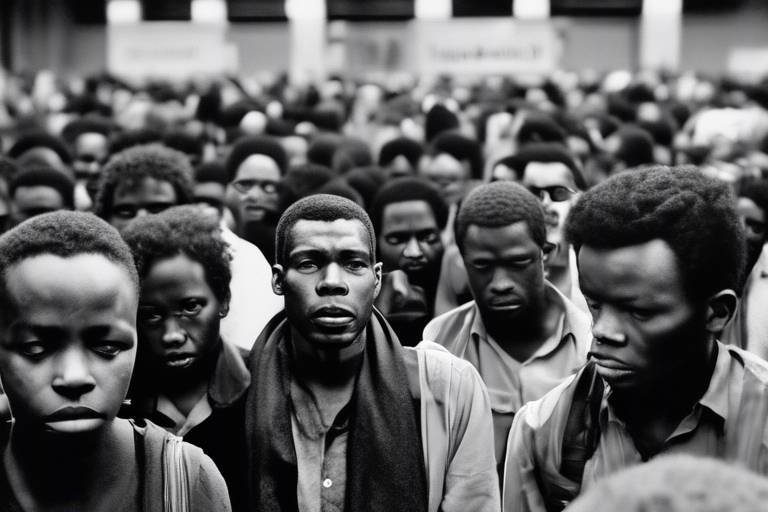
Have you ever stopped to think about how our understanding of existence influences the rights we hold dear? The connection between ontology—the philosophical study of being—and human rights is both fascinating and complex. At its core, ontology asks the fundamental question: “What does it mean to exist?” This inquiry is not merely academic; it has profound implications for how we perceive ourselves and others in the context of rights. When we delve into ontology, we uncover the layers that shape our beliefs about identity, dignity, and moral responsibility. In essence, our understanding of existence lays the groundwork for the principles that govern human rights.
As we navigate this intricate relationship, it’s essential to recognize that our perceptions of what it means to be human directly affect how rights are defined and applied. For instance, if we view individuals as inherently valuable beings, we are more likely to advocate for their rights and dignity. Conversely, if we adopt a more utilitarian view, we might prioritize the needs of the many over the rights of the few. This philosophical tug-of-war highlights the importance of ontology in shaping our ethical frameworks and societal norms.
Moreover, the implications of ontology extend beyond academic discourse; they seep into our everyday lives. Think about it: the way we understand our own identities—whether through cultural, social, or personal lenses—affects how we advocate for our rights and the rights of others. This is particularly relevant in today’s globalized world, where diverse perspectives on existence coexist, often leading to conflicting interpretations of human rights. Thus, engaging with ontology isn’t just an intellectual exercise; it’s a necessary endeavor for anyone passionate about social justice and equality.
In the following sections, we will explore the historical evolution of human rights, the philosophical foundations laid by thinkers like John Locke and Immanuel Kant, and how modern ontological theories continue to influence our understanding of identity and rights. By examining these connections, we can better appreciate the rich tapestry that is human rights discourse, ultimately leading to a more inclusive and equitable society.
- What is ontology? – Ontology is the branch of philosophy that studies the nature of being, existence, and reality.
- How does ontology relate to human rights? – Ontology influences our understanding of what it means to be human, which in turn shapes the principles and applications of human rights.
- Why is identity important in the context of human rights? – Identity affects how rights are recognized and protected, emphasizing the need for an inclusive approach to rights advocacy.
- What role do historical perspectives play in shaping human rights? – Historical events and philosophical theories have significantly influenced the evolution of human rights, providing foundational principles for contemporary frameworks.
The Nature of Ontology
Ontology is a fascinating field of philosophy that delves into the very essence of existence and reality. It asks the big questions: What does it mean to be? What is the nature of things? By exploring these fundamental concepts, ontology lays the groundwork for understanding complex issues like human rights. When we consider the nature of being, we begin to unravel the layers of identity, dignity, and moral responsibility that are critical to our discussions about rights in society.
To put it simply, ontology is like the lens through which we view our world. Imagine wearing glasses that not only correct your vision but also enhance how you perceive reality. This is what ontology does for our understanding of human rights. It helps us recognize that our perceptions of identity—who we are and what we stand for—are deeply intertwined with our beliefs about what rights we possess. The implications of this connection are profound, as they influence how we advocate for and protect the rights of individuals and communities.
Moreover, ontology encourages us to consider the implications of existence itself. For instance, if we believe that all humans have inherent worth, then it follows that their rights must be respected and upheld. This belief is not just a philosophical position; it is a moral imperative that shapes laws, policies, and social norms. In this way, ontology serves as a foundational pillar for understanding and advocating for human rights.
As we navigate through the complexities of human rights, it is essential to recognize that ontology is not a static field. It evolves as our understanding of existence and identity changes. For example, contemporary discussions around gender identity, race, and cultural belonging challenge traditional ontological perspectives, urging us to expand our definitions of what it means to be human. This evolution is crucial for creating a more inclusive framework for human rights that acknowledges and respects the diversity of human experiences.
In summary, the nature of ontology is not merely an academic pursuit; it is a vital component of our quest for understanding human rights. By examining the fundamental questions of existence, we can better appreciate the intricate relationship between who we are and the rights we claim. This understanding not only enriches our philosophical discussions but also informs our practical efforts to ensure that every individual is recognized and respected in their humanity.
Historical Perspectives on Human Rights
The evolution of human rights is a fascinating journey through time, marked by pivotal moments that have shaped our understanding of these essential principles. From ancient civilizations to modern democracies, the concept of human rights has undergone significant transformations, influenced by various philosophical and ontological theories. At its core, the history of human rights reflects a growing recognition of the intrinsic value of each individual, a notion that resonates deeply with the study of ontology—the philosophical inquiry into the nature of being and existence.
In ancient times, the seeds of human rights were sown in the soil of moral and ethical thought. For example, the Magna Carta of 1215 is often hailed as one of the earliest documents advocating for individual rights against the tyranny of the monarchy. This landmark agreement laid the groundwork for the principle that no one, not even a king, is above the law. It emphasized the importance of justice and the protection of individual freedoms, showcasing how early ontological ideas about the individual’s place in society began to take shape.
Fast forward to the 17th century, when Enlightenment thinkers like John Locke and Jean-Jacques Rousseau began to articulate more comprehensive theories of rights. Locke’s social contract theory, for instance, posits that individuals consent to form societies in exchange for the protection of their natural rights—life, liberty, and property. This ontological perspective highlights the fundamental belief that individuals are born with inherent rights, which governments are obligated to uphold. Similarly, Rousseau’s idea of the general will emphasizes the collective rights of individuals, suggesting that true freedom is achieved through participation in the political community.
The 18th century was a turning point, as the American Declaration of Independence (1776) and the French Declaration of the Rights of Man and of the Citizen (1789) proclaimed the universality of human rights. These documents not only asserted the rights of individuals but also reflected a deeper ontological understanding of humanity’s shared dignity. The Enlightenment ideals of reason, equality, and justice became the bedrock upon which modern human rights frameworks were built.
As we moved into the 20th century, the atrocities of World War II catalyzed a global response to the need for a universal declaration of human rights. The Universal Declaration of Human Rights (UDHR), adopted by the United Nations in 1948, marked a significant milestone in the recognition of human rights as fundamental to all human beings. It encapsulated the ontological belief that every person possesses an inherent worth that must be respected and protected, regardless of nationality, culture, or creed. The UDHR serves as a testament to the collective understanding that human rights are not merely privileges granted by governments, but rather, they are an expression of our shared humanity.
Throughout history, the philosophical foundations laid by early thinkers continue to resonate in contemporary discussions about human rights. The ongoing debates about the universality versus cultural relativity of rights are deeply rooted in ontological inquiries about identity and existence. As we reflect on the historical perspectives of human rights, it becomes evident that our understanding of existence profoundly influences the principles we advocate for in society.
In summary, the historical journey of human rights is a tapestry woven from various philosophical threads, each contributing to our understanding of individual dignity and moral responsibility. The interplay between ontology and human rights not only enriches our comprehension of these concepts but also challenges us to continually reassess how we define and protect the rights of every individual in an ever-changing world.
- What are human rights? Human rights are fundamental rights and freedoms to which every person is entitled, regardless of nationality, sex, ethnicity, religion, or any other status.
- How did the concept of human rights originate? The concept of human rights has its roots in ancient philosophies and was significantly developed during the Enlightenment period, culminating in key documents like the Magna Carta and the Universal Declaration of Human Rights.
- Why is ontology important in understanding human rights? Ontology helps us examine the nature of existence and identity, which are crucial for understanding the inherent dignity and moral responsibilities associated with human rights.
- How do modern challenges affect human rights? Modern challenges, such as globalization, technology, and cultural differences, prompt us to rethink and adapt our understanding of human rights to ensure they remain relevant and effective.
Philosophical Foundations
When we dive into the world of human rights, we can’t overlook the profound impact of philosophical foundations. Think of philosophy as the bedrock upon which the grand edifice of human rights is built. At the heart of this discussion are influential thinkers such as Immanuel Kant and John Locke, whose ideas have shaped our understanding of individual dignity and worth. Their ontological perspectives provide a lens through which we can examine not just what rights we have, but why we have them in the first place.
Locke, for instance, introduced the concept of the social contract, which fundamentally altered the landscape of political philosophy. He argued that individuals possess inherent rights simply by virtue of their existence. This idea was revolutionary; it shifted the focus from the authority of rulers to the rights of individuals. Imagine a world where rights are not granted by governments but are seen as intrinsic to our very being. This ontological shift underscores the importance of recognizing human rights as foundational to societal structures, rather than privileges bestowed by the state.
On the other hand, Kant’s philosophy brings a different flavor to the conversation. His categorical imperative posits that we should treat others as ends in themselves, not merely as means to an end. This ethical framework is pivotal in establishing universal human rights that transcend cultural boundaries. Kant’s emphasis on respect and dignity for all individuals resonates deeply in contemporary human rights discourse. It invites us to consider: if every person deserves respect, how can we justify the violation of anyone’s rights?
To further illustrate these philosophical foundations, let’s take a closer look at how these theories translate into practical implications:
| Philosopher | Key Concept | Impact on Human Rights |
|---|---|---|
| John Locke | Social Contract | Rights are inherent and must be protected by government. |
| Immanuel Kant | Categorical Imperative | Universal respect for all individuals’ dignity. |
These philosophical underpinnings are not merely academic; they have real-world implications. They challenge us to rethink how we perceive rights in different contexts. For instance, if we accept Locke’s premise that rights are inherent, we must advocate for the protection of those rights globally, regardless of cultural differences. Similarly, Kant’s insistence on dignity prompts us to question practices that undermine individual worth, such as discrimination or exploitation.
In conclusion, the philosophical foundations laid by Locke and Kant are not just historical artifacts; they are living ideas that continue to influence the evolution of human rights today. Their ontological perspectives remind us that our understanding of existence shapes the very principles we uphold in society. As we navigate the complexities of human rights, let’s keep these philosophical insights at the forefront of our discussions, ensuring that the essence of dignity and respect remains central to our advocacy.
- What is ontology? Ontology is the philosophical study of being and existence, exploring the nature of reality.
- How do Locke and Kant influence human rights? Locke emphasizes inherent rights through the social contract, while Kant advocates for universal respect and dignity.
- Why is identity important in human rights? Identity shapes how rights are recognized and protected, highlighting the need for inclusivity in rights advocacy.
- What role does intersectionality play in human rights? Intersectionality examines how overlapping identities affect individuals’ experiences of rights and discrimination.
Locke’s Social Contract
John Locke, a towering figure in political philosophy, introduced the concept of the social contract as a foundational element of governance and individual rights. His theory posits that individuals consent, either explicitly or implicitly, to form a society and establish a government that protects their natural rights. These rights, which include life, liberty, and property, are not granted by any authority but are inherent to every individual. This perspective is crucial because it emphasizes that the legitimacy of governmental power stems from the consent of the governed, a revolutionary idea that reshaped political thought.
Locke’s social contract theory is built on the premise that in a state of nature, individuals possess complete freedom but also face the constant threat of conflict over resources and rights. To mitigate this chaos, individuals agree to surrender some of their freedoms in exchange for the protection of their remaining rights by a governing body. This exchange is not merely transactional; it is a moral agreement that underscores the importance of recognizing and safeguarding human rights as fundamental to societal structures.
Moreover, Locke’s philosophy suggests that the government’s primary role is to serve the people by protecting their rights. If a government fails to do so, citizens have the right to revolt and establish a new authority. This notion of accountability is vital in the context of human rights, as it empowers individuals to demand justice and assert their rights when they are threatened. Locke’s ideas laid the groundwork for modern democratic principles, where the protection of human rights is seen as a governmental obligation rather than a privilege granted by the state.
In summary, Locke’s social contract theory not only highlights the importance of individual rights but also establishes a framework for understanding the relationship between citizens and their government. By prioritizing the protection of natural rights, Locke’s philosophy remains relevant in contemporary discussions about human rights, influencing legal frameworks and social movements worldwide. The implications of his ideas can be seen in various human rights declarations and constitutions that advocate for the inherent dignity and worth of every individual.
- What is the social contract theory? The social contract theory is a philosophical concept that suggests individuals consent to form a society and establish a government to protect their natural rights.
- How does Locke’s social contract relate to human rights? Locke’s social contract emphasizes the protection of individual rights as a fundamental duty of the government, influencing modern human rights frameworks.
- What are the key rights identified by Locke? Locke identified life, liberty, and property as the key natural rights inherent to every individual.
- Can citizens revolt against their government according to Locke? Yes, Locke believed that if a government fails to protect the rights of its citizens, they have the right to revolt and establish a new authority.
Kant’s Categorical Imperative
Immanuel Kant, a towering figure in the realm of philosophy, introduced the concept of the Categorical Imperative as a cornerstone of his ethical framework. This principle is not just a mere philosophical abstraction; it fundamentally reshapes how we think about human rights and the inherent dignity of individuals. Kant’s view posits that moral obligations are universal and should be applied equally to all rational beings, transcending cultural and societal differences. Imagine a world where every action you take could be a universal law—this is the essence of Kant’s Categorical Imperative.
At its core, the Categorical Imperative demands that we treat individuals as ends in themselves, not merely as means to an end. This perspective is revolutionary; it asserts that every person possesses an intrinsic value that must be respected. When we apply this to the realm of human rights, we see that every individual’s rights must be upheld simply because they are human. This is a radical departure from utilitarian views that may prioritize the greater good over individual rights. Kant’s approach challenges us to consider: What if every action we take toward others became a universal law?
To further illustrate Kant’s philosophy, consider the implications of his Categorical Imperative in practical terms. It encourages us to ask ourselves a few key questions before taking action:
- Would I want this action to become a universal law applicable to everyone?
- Am I treating others with the respect they inherently deserve?
- Am I considering the long-term impacts of my actions on the dignity of others?
These questions not only guide our personal moral compass but also lay the groundwork for a society that prioritizes human rights. When we embrace Kant’s philosophy, we recognize that rights are not privileges granted by governments or societies; they are inalienable and must be protected at all costs. This understanding is crucial in contemporary discussions about human rights, as it reinforces the idea that every individual, regardless of their background, is entitled to dignity and respect.
Moreover, Kant’s Categorical Imperative serves as a powerful tool in the fight against injustice. By promoting a universal standard of morality, it encourages us to advocate for those whose rights are often overlooked or violated. In a world rife with inequality and discrimination, Kant’s idea becomes a rallying cry for activists and advocates who strive to ensure that everyone, regardless of race, gender, or socioeconomic status, is treated with the dignity they deserve.
In conclusion, Kant’s Categorical Imperative is more than a philosophical concept; it is a clarion call for the recognition and protection of human rights. By grounding our understanding of rights in the inherent dignity of individuals, we can build a more just and equitable society. The challenge lies in applying this principle consistently and universally, ensuring that every person is recognized as an end in themselves, deserving of respect and rights.
- What is the Categorical Imperative? It is a fundamental principle in Kant’s ethical theory that states one should act only according to that maxim whereby they can, at the same time, will that it should become a universal law.
- How does the Categorical Imperative relate to human rights? It emphasizes that every individual has intrinsic value and rights that must be respected, regardless of societal norms or utilitarian calculations.
- Can the Categorical Imperative be applied in modern contexts? Yes, it provides a framework for evaluating actions and policies concerning human rights, ensuring that they uphold the dignity of all individuals.
Modern Ontological Theories
In the landscape of contemporary philosophy, modern ontological theories play a pivotal role in shaping our understanding of human rights. These theories delve into the essence of existence, identity, and the intricate web of relationships that define human experience. As we navigate through the complexities of the 21st century, these theories challenge traditional views and encourage us to rethink our approach to human rights in a rapidly changing world.
At the heart of modern ontology is the recognition that identity is not a static concept. Instead, it is fluid and influenced by various factors such as culture, technology, and social dynamics. For instance, the rise of digital identities in the age of the internet has transformed how we perceive ourselves and each other. This evolution forces us to reconsider the frameworks through which we advocate for and protect human rights. The ontological questions we ask today are not just about what it means to exist, but also about how our existence is intertwined with others in a global context.
One of the most significant contributions of modern ontological theories is their emphasis on relationality. This perspective posits that our identities are shaped by our relationships with others, which in turn affects our rights and responsibilities within society. For example, consider the impact of social media. It has created a platform where diverse voices can be amplified, yet it also raises concerns about privacy and the right to be forgotten. These complexities highlight the need for a nuanced understanding of rights that accounts for the interconnectedness of individual and collective identities.
Moreover, modern ontological theories advocate for a more inclusive approach to human rights. They encourage us to recognize the rights of marginalized groups whose identities may not fit neatly into traditional categories. This inclusivity is vital in addressing the needs of various communities, such as LGBTQ+ individuals, people with disabilities, and indigenous populations. By adopting an ontological lens that values diversity, we can foster a more equitable society where everyone’s rights are acknowledged and protected.
As we explore these modern theories, it’s essential to consider their implications on a global scale. Different cultures interpret existence and identity through their unique ontological frameworks, which can lead to varying understandings of human rights. This diversity enriches the global dialogue but also presents challenges in achieving consensus on what constitutes universal rights. For instance, while some cultures may prioritize individual freedoms, others may emphasize communal responsibilities. Navigating these differences requires a commitment to pluralism and an openness to learning from one another.
In conclusion, modern ontological theories not only enhance our understanding of human rights but also challenge us to rethink how we engage with one another in a globalized world. By embracing the fluidity of identity, recognizing the importance of relationality, and advocating for inclusivity, we can create a more just and equitable society. As we move forward, the questions we ask about existence and rights will continue to shape the future of human rights advocacy.
- What is ontology? Ontology is the philosophical study of being, existence, and the nature of reality.
- How does ontology relate to human rights? Ontology influences our understanding of identity, dignity, and moral responsibility, which are foundational to human rights.
- What are modern ontological theories? Modern ontological theories examine the fluidity of identity and the relational aspects of existence, impacting human rights discussions.
- Why is inclusivity important in human rights? Inclusivity ensures that the rights of marginalized groups are recognized and protected, fostering a more equitable society.
- How do cultural differences affect human rights? Different cultures interpret existence and identity in unique ways, leading to varying understandings of human rights and the need for a pluralistic approach.
The Role of Identity in Human Rights
Identity plays a critical role in the application of human rights, shaping how individuals and groups experience these rights in their daily lives. When we talk about identity, we’re not just referring to a name or a nationality; we’re diving into a complex tapestry of cultural, social, and personal elements that define who we are. This intricate web influences our interactions with the world and how society perceives and treats us. For instance, consider how a person’s race, gender, sexual orientation, or disability can significantly affect their access to basic rights. In essence, our identities can either open doors or create barriers, making it essential to understand this connection.
From an ontological perspective, identity is not merely a static label but a dynamic and evolving aspect of our existence. It encompasses our experiences, beliefs, and the societal contexts that shape us. These factors intertwine to form our sense of self, which in turn impacts how we advocate for our rights and how others perceive those rights. The recognition of diverse identities is crucial for the effective protection of human rights, as it allows for a more nuanced understanding of the challenges faced by marginalized groups.
One of the most significant contributions to this discourse is the concept of intersectionality. Coined by Kimberlé Crenshaw, intersectionality highlights how various social identities—such as race, gender, class, and sexuality—intersect and create unique experiences of oppression or privilege. This perspective is vital for human rights advocacy because it acknowledges that individuals do not experience discrimination or rights violations in isolation. Instead, their experiences are shaped by the interplay of multiple identities. For example, a Black woman may face different challenges than a white woman or a Black man, emphasizing the need for a comprehensive approach to human rights that considers these intersections.
Moreover, understanding identity through an ontological lens allows us to appreciate the diversity of human experiences across the globe. Different cultures and societies interpret human rights through unique frameworks, influenced by their historical, social, and philosophical contexts. This pluralistic approach enriches the global dialogue on human rights, fostering a more inclusive environment where various identities are recognized and valued. It reminds us that while human rights are universal, their application must be sensitive to the specific realities of different communities.
As we continue to navigate the complexities of identity in the realm of human rights, it becomes increasingly clear that a one-size-fits-all approach is insufficient. Instead, we should strive for a more holistic understanding that respects and uplifts diverse voices. This means actively listening to those who have been historically marginalized and ensuring that their rights are not just acknowledged but actively protected. It’s about creating a society where everyone, regardless of their identity, can enjoy the full spectrum of human rights without fear of discrimination or exclusion.
- What is the significance of identity in human rights?
Identity shapes how individuals experience rights and can influence their access to justice and equality. - How does intersectionality relate to human rights?
Intersectionality examines how various social identities intersect, leading to unique experiences of oppression or privilege in the context of human rights. - Why is a pluralistic approach important in human rights advocacy?
A pluralistic approach acknowledges the diverse cultural and social frameworks that influence how rights are understood and applied globally.
Intersectionality and Human Rights
Intersectionality is a powerful framework that helps us understand how various social identities—such as race, gender, sexuality, and class—interact to create unique experiences of discrimination and privilege. This concept is not just an academic term; it is a lens through which we can evaluate the complexities of human rights. Imagine a tapestry woven from different threads; each thread represents a different aspect of identity, and together they create a unique pattern. In the same way, individuals experience their rights and social justice differently based on their intersecting identities.
To truly grasp the implications of intersectionality on human rights, we must recognize that people do not exist in isolation. For example, a Black woman may face discrimination that is distinct from that experienced by a White woman or a Black man. This layered discrimination can lead to compounded injustices, making it essential for human rights advocates to consider these intersections. By doing so, we can create a more inclusive approach to rights advocacy that acknowledges and addresses the needs of marginalized communities.
One of the key aspects of intersectionality is that it challenges the traditional, one-size-fits-all approach to human rights. Instead of viewing rights as universally applicable, intersectionality encourages us to recognize that the application of these rights can vary significantly across different groups. This means that policies and protections must be tailored to address the specific challenges faced by individuals at the intersections of multiple identities.
For instance, consider the following examples of how intersectionality can influence human rights experiences:
- A LGBTQ+ person of color: They may face discrimination not only based on their sexual orientation but also their race, creating unique barriers to accessing healthcare or legal protections.
- A disabled woman: She might experience sexism and ableism simultaneously, which can limit her opportunities for employment and social inclusion.
- An immigrant from a marginalized community: Their rights may be further complicated by their legal status, leading to vulnerabilities that are not addressed by mainstream human rights discourses.
By embracing an intersectional perspective, we can foster a more nuanced understanding of human rights that reflects the realities of people’s lives. This approach not only enriches the global dialogue on human rights but also emphasizes the need for a pluralistic framework that respects diverse perspectives. As we advocate for human rights, we must ask ourselves: Are we considering the full spectrum of identities and experiences? Are we ensuring that our approaches are inclusive and equitable?
In summary, intersectionality is not merely a theoretical concept; it is a vital tool for understanding and advocating for human rights in a way that is comprehensive and inclusive. By recognizing the interconnectedness of various identities, we can better address the complexities of discrimination and work towards a more just society for all.
Q1: What is intersectionality?
A1: Intersectionality is a framework that examines how various social identities intersect and influence experiences of discrimination and privilege. It emphasizes that individuals can face multiple, overlapping forms of oppression.
Q2: Why is intersectionality important in human rights advocacy?
A2: Intersectionality is crucial because it allows advocates to understand the unique challenges faced by individuals with multiple marginalized identities, ensuring that human rights efforts are inclusive and address specific needs.
Q3: How can I apply intersectionality in my work or advocacy?
A3: To apply intersectionality, consider the diverse identities of the individuals you are advocating for and ensure that your approaches address the specific barriers they face. Engage with marginalized communities to understand their perspectives and needs.
Global Perspectives on Rights
When we talk about human rights, it’s essential to recognize that these rights are not universally interpreted or applied across the globe. Each culture and society brings its own unique ontological framework to the discussion, which significantly influences how rights are perceived and upheld. For instance, what is considered a fundamental right in one country might be viewed differently in another due to varying historical, cultural, and philosophical contexts. This divergence creates a rich tapestry of perspectives that can either enhance or complicate the global dialogue on human rights.
Take, for example, the concept of individualism versus collectivism. In many Western societies, individual rights are often prioritized, emphasizing personal freedom and autonomy. This perspective aligns with ontological theories that regard the individual as a distinct entity with inherent rights. Conversely, in various Eastern cultures, there may be a stronger focus on community and collective well-being. Here, rights might be viewed through a lens that prioritizes social harmony and the responsibilities of individuals to their communities. This fundamental difference in approaching rights can lead to misunderstandings and conflicts when discussing human rights on a global scale.
Moreover, the historical context of a society plays a crucial role in shaping its human rights framework. For instance, countries with a history of colonialism may approach human rights with a focus on reparative justice, seeking to address past injustices and empower marginalized communities. In contrast, nations that have experienced civil wars or internal strife might prioritize stability and security over individual rights, often leading to a tension between state authority and personal freedoms.
As we navigate these complex interactions, it becomes clear that a pluralistic approach is essential for advancing human rights globally. Recognizing and respecting the diverse ontological frameworks that shape different societies can foster a more inclusive dialogue. This means that advocates for human rights must be willing to engage with and understand these varying perspectives rather than imposing a singular view of rights. By doing so, we can work towards a more comprehensive understanding of what human rights mean in different contexts.
Ultimately, the richness of global perspectives on rights not only enhances our understanding of human dignity and justice but also challenges us to think critically about our own beliefs. It invites us to ask ourselves: Are we truly considering the diverse experiences and realities of others when we advocate for human rights? Are we open to learning from different ontological perspectives that might reshape our understanding of what it means to be human?
In conclusion, embracing a global perspective on human rights demands humility and an open mind. It requires us to acknowledge that while we may share common values, the ways in which we interpret and implement these values can vary widely. By fostering a dialogue that respects and incorporates these diverse perspectives, we can move towards a more equitable and just world.
- What are human rights? Human rights are basic rights and freedoms that belong to every person in the world, from birth until death.
- Why are global perspectives on rights important? They help to understand the diverse interpretations and applications of human rights across different cultures, promoting inclusivity and respect.
- How can we promote a pluralistic approach to human rights? By engaging with various cultural perspectives and being open to learning from them, we can foster a more inclusive dialogue on human rights.
- What role does history play in shaping human rights? Historical contexts influence how societies view rights, often leading to different priorities and interpretations based on past experiences.
Frequently Asked Questions
- What is ontology and how does it relate to human rights?
Ontology is the philosophical study of being and existence. It examines the fundamental nature of reality, which significantly influences our understanding of human rights. By exploring concepts like identity and dignity, ontology helps frame discussions about the moral responsibilities we have towards each other in society.
- How have historical perspectives shaped our understanding of human rights?
Throughout history, various philosophical theories have influenced human rights. Key moments, such as the Enlightenment, brought forward thinkers like John Locke and Immanuel Kant, whose ideas about individual dignity and social contracts laid the groundwork for contemporary human rights frameworks. Their contributions highlight the importance of recognizing inherent rights that belong to every individual.
- What role does identity play in the application of human rights?
Identity is crucial in the context of human rights because it shapes how individuals and groups experience and advocate for their rights. Different ontological perspectives on identity can impact the recognition and protection of rights for diverse communities, emphasizing the need for inclusivity in rights discourse.
- What is intersectionality and why is it important for human rights?
Intersectionality refers to the interconnected nature of social identities and how they influence individual experiences. Understanding intersectionality through an ontological lens allows for a more nuanced approach to human rights advocacy, recognizing that people’s experiences are shaped by multiple, overlapping identities, which can affect their access to rights.
- How do global perspectives enrich the dialogue on human rights?
Diverse cultures interpret human rights through their unique ontological frameworks, which enriches the global dialogue on rights. By acknowledging and respecting these different perspectives, we can foster a more pluralistic approach to human rights, allowing for a deeper understanding of how rights are perceived and implemented across various societies.
Ontology, Human Rights, Identity, Existence, Dignity, Justice, Recognition, Ethics, , Ontology, Human Rights, Identity, Existence, Dignity, Justice, Recognition, Ethics,
Share this content:
Leave a Reply